

Preserving the “Soul” of Cuisine in a Globalised World:
The Journey and Choices of Chef Doan Thanh Dien
In an era where cuisine is increasingly shaped by visuals, rapid media circulation, and short-lived trends, chef Doan Thanh Dien has chosen a different path: preserving the “soul” of each dish as its core value while finding ways to bring Vietnamese cuisine to the global stage through thoughtful adaptation. For him, integration does not mean compromising identity, but rather reinterpreting tradition in a language that resonates with the contemporary world.
Latest
 |
In the context of globalisation, cuisine is no longer merely about taste. It has become a form of cultural expression where each dish carries layers of meaning about history, people, and the way a nation tells its story to the world. Yet, as the pace of change accelerates and social media reshapes how audiences engage with food, these core values are increasingly at risk of being diluted.
With nearly two decades in the profession, Chef Doan Thanh Dien sees this not as a passing trend but as a structural challenge facing modern cuisine. In his view, the greatest issue today is not a lack of creativity, but the misalignment of creativity with its foundation when performance, aesthetics, and speed overshadow the “soul” of a dish.
If cuisine becomes something to be “seen” before it is truly “experienced,” it risks losing its most fundamental purpose: to create a meaningful connection with the diner.
 |
When Cuisine Becomes Performance
The rise of social media has opened unprecedented opportunities for the culinary world. Dishes that once existed only within the confines of a restaurant can now reach millions through images and videos. While this has made cuisine more accessible, it has also reshaped the criteria by which it is evaluated.
A visually striking dish can instantly capture attention. Complex techniques can become focal points. Yet, according to Chef Doan Thanh Dien, when form becomes the primary metric, the essence of cuisine is often pushed aside.
He observes that many dishes today are designed as “media products,” in which visual appeal and dramatic presentation are key. At the same time, depth of flavour and thoughtful technique are not equally emphasised.
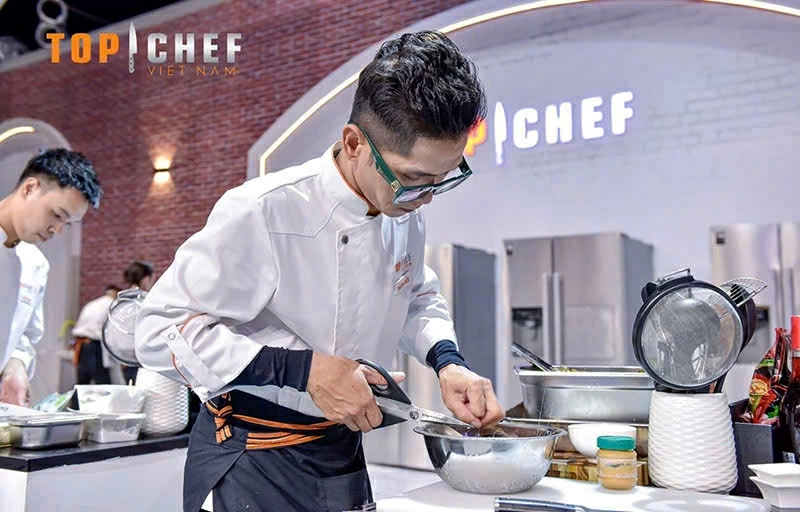 |
From a professional standpoint, this represents a concerning shift. A dish may attract attention for a moment, but without a solid foundation in ingredients, technique, and culinary philosophy, it cannot endure.
“A dish may capture attention briefly, but its true value lies in the quality of ingredients, the precision of execution, and respect for the diner,” he notes.
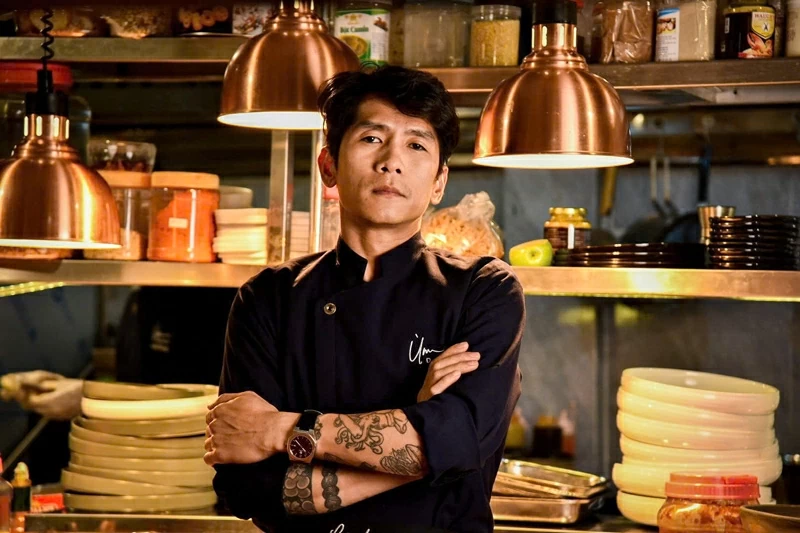
At the same time, he acknowledges that modern cuisine is increasingly a multisensory experience, encompassing lighting, sound, presentation, and spatial design. This aligns with global dining trends, particularly in fine dining. However, without careful balance, the performative aspect can easily overshadow the core.
The issue, he emphasises, is not whether cuisine should incorporate performance, but how to maintain equilibrium between experience and substance.
 |
From Personal Ego to a Service-Oriented Mindset
These perspectives stem not only from observation but also from his own professional journey. Chef Doan Thanh Dien candidly admits that there was a time when he placed too much of his personal identity into his dishes - a common phase for many chefs.
In such moments, creativity becomes an end in itself, and food becomes a vehicle for self-expression rather than a medium for serving others. While not inherently wrong, this approach can distance the chef from the diner's needs.
 |
| The Journey and Choices of Chef Doan Thanh Dien |
A turning point came around 2019, when he began structured training programs focused on mindset and coaching. This experience allowed him to reassess his approach more systematically.
He came to understand that even a technically perfect dish can fail if it does not resonate with the diner. Conversely, a simpler dish, when aligned with expectations, can deliver a more meaningful experience.
From then on, he shifted his perspective: placing the customer at the centre rather than his personal ego. This transformation not only refined his technical skills but also redefined his philosophy of cooking.
For him, cuisine is not a platform for proving one’s talent, but a way of creating value for others. This transition - from self-expression to service - marks a crucial step toward a more sustainable and mature approach to the profession.
 |
Professional Standards and the Foundation for Global Integration
If there is one factor that determines whether a chef can succeed on a broader stage, Chef Doan Thanh Dien believes it is professional standards. And these standards begin with the most fundamental element: ingredients.
According to him, chefs must understand the origin, handling, and precise measurement of ingredients. Consistency cannot be achieved without strict control from the very beginning of the process.
One notable aspect of his philosophy is minimising the use of processed seasonings. This approach not only preserves the authentic flavour profile of a dish but also ensures transparency and safety.
In an increasingly industrialised food environment, such choices may complicate operations, but for him, they are essential to maintaining quality.
A “standard” dish, in his view, must meet multiple criteria: food safety, consistency in taste, nutritional value, and no adverse impact on the consumer’s health. This is not merely a technical requirement but a professional responsibility.
In kitchen operations, these principles are translated into structured systems: certified suppliers, one-way preparation processes, and staff training based on precise recipes.
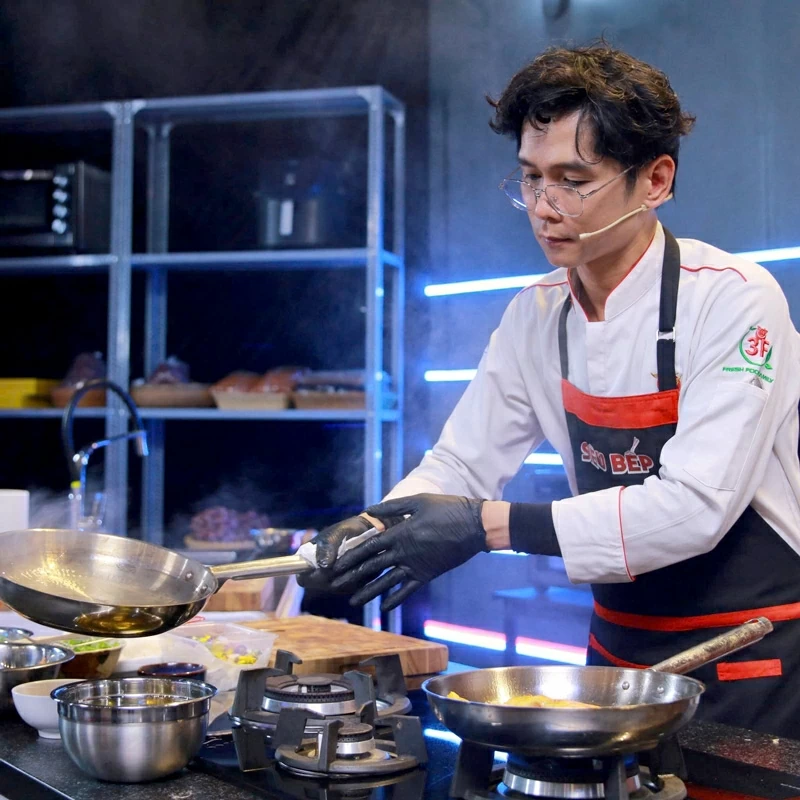
Yet, the greatest challenge remains people. Building and sustaining a capable team requires more than technical skill - it demands discipline, resilience, and the ability to work under pressure.
In this context, the role of a head chef extends beyond cooking. It involves leadership - guiding the team, maintaining morale, and ensuring stability in a high-pressure environment.
 |
Vietnamese Cuisine in the Global Context
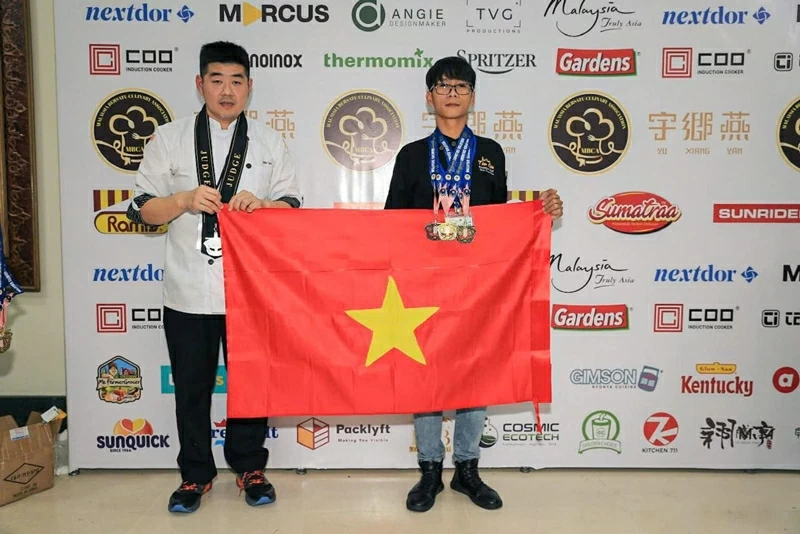
Through his participation in international culinary competitions, particularly in Malaysia, Chef Doan Thanh Dien has gained a clearer understanding of Vietnamese cuisine's place in the global culinary landscape.
He believes Vietnam has strong advantages: abundant ingredients, a diverse array of flavours, and a rich cultural foundation. However, the challenge lies in presentation.
Many Vietnamese dishes have yet to be effectively “translated” for international audiences. Businesses often cannot tell compelling culinary stories or adapt dishes for different markets.
When compared with other cuisines, Thai cuisine is recognised for its bold flavours and structured street food culture; Japanese cuisine is highly standardised, refined, and rooted in discipline; Korean cuisine excels in branding and global communication; and Vietnam, meanwhile, possesses comparable strengths in raw materials and cultural depth, but has not fully developed its mode of expression. This creates a paradox: strong potential, yet under-realised global presence.
 |
To address this, he argues that Vietnamese cuisine must undergo reinterpretation, not by altering its essence, but by adjusting presentation, structure, and technique to connect with international diners. This is, in essence, the act of “translating” cuisine - making it accessible without losing authenticity.
At the same time, the younger generation plays a critical role. While they benefit from faster access to knowledge and global trends, success still depends on discipline and commitment.
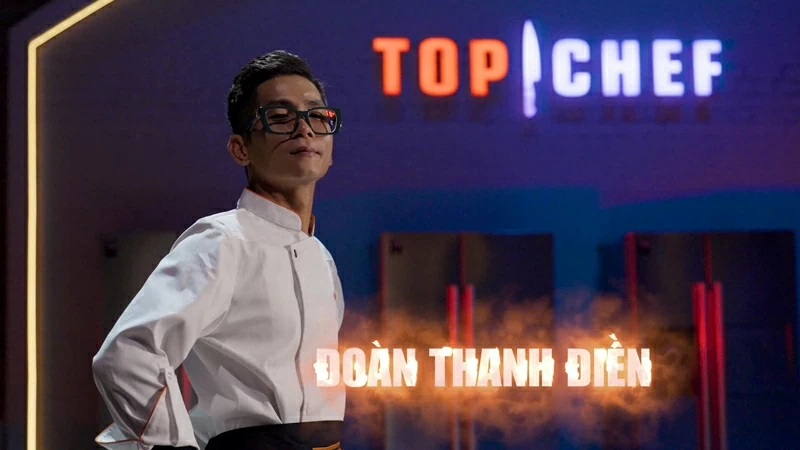
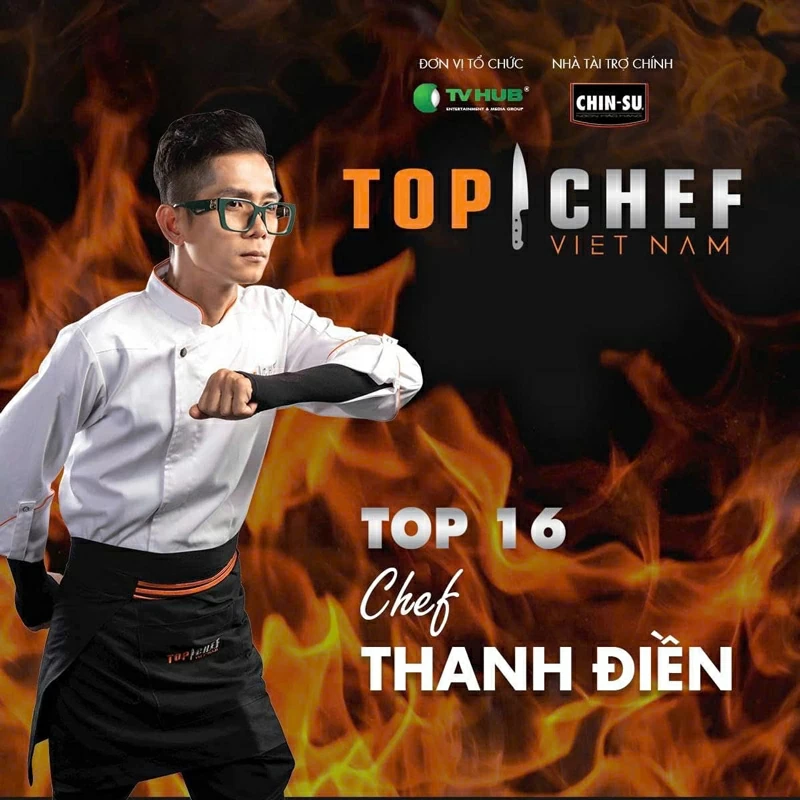
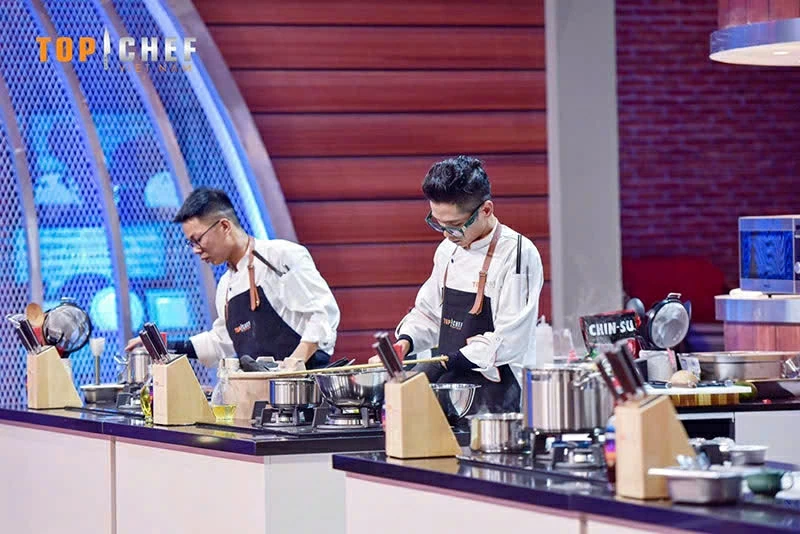
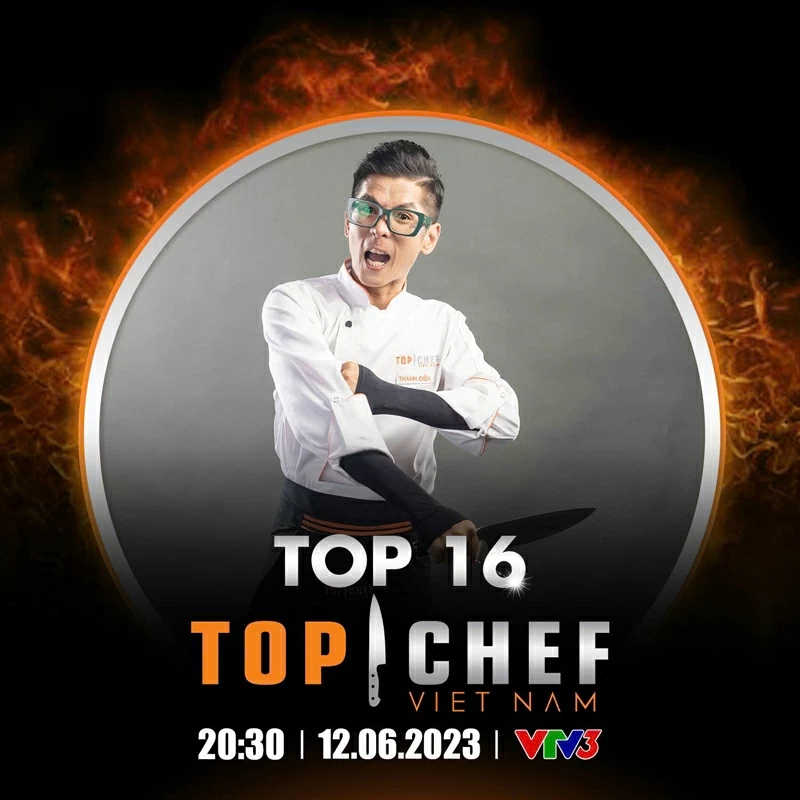
With 19 years of experience, participation in international competitions, and recognition through programs such as Top Chef Vietnam, Doan Thanh Dien sees each milestone not as an endpoint, but as an opportunity to refine his approach.
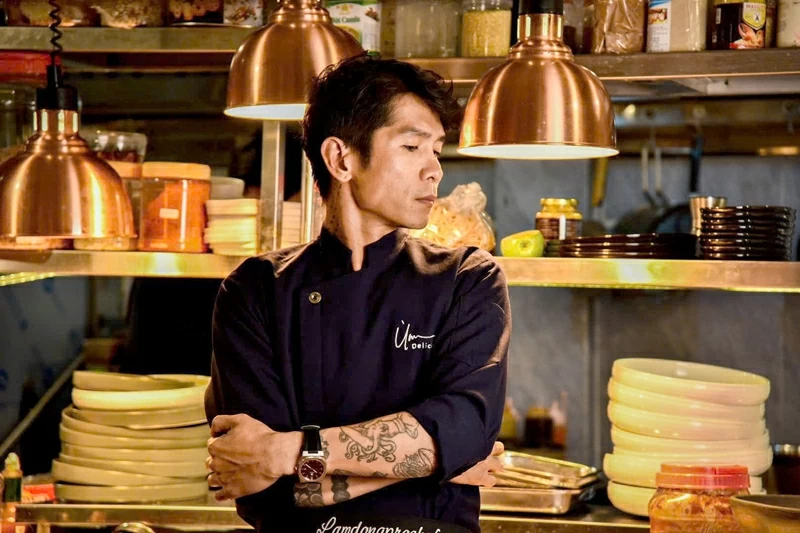
The establishment of Um Delicious in 2024 represents a continuation of that journey - a space where he can experiment, preserve, and evolve the values he believes.
 |
Preserving Identity in Order to Move Forward
In a rapidly changing industry, preserving the “soul” of cuisine is not a form of resistance, but a foundation for sustainable growth.
According to Chef Doan Thanh Dien, Vietnamese cuisine has the potential to make a strong mark on the global culinary map- provided it can balance tradition with adaptation.
“Seriousness creates quality.” This simple statement encapsulates his philosophy: a path that is neither loud nor trend-driven, but steady and consistent. In the global landscape, cuisine is more than flavour - it is a way of telling a cultural story. And for chefs like Mr. Doan Thanh Dien, that story can only endure if it retains its essence.
| “Seriousness creates quality.” “A dish is not meant to showcase the chef, but to serve the diner.” “Preserve traditional flavours, but adapt the expression; that is how Vietnamese cuisine can integrate globally.” |
| Exhibition on the global journey of Vietnamese spices in Switzerland WVR - The exhibition "Symphony of Spices: Vietnamese Roots, Global Routes" offers insights into the journey of Vietnamese spices spreading through global trade networks and ... |
| Reinterpreting Vietnamese Cuisine for the World: The 25-Year Journey of Chef Vu Nguyen in Northern Europe From kitchens serving international guests in Vietnam to the demanding culinary landscape of Northern Europe, Chef Vu Nguyen has chosen a challenging path: adapting Vietnamese ... |