




Seminar highlights people-to-people diplomacy as an important pillar of comprehensive, modern diplomacy
WVR - On May 14 in Hanoi, the Ministry of Foreign Affairs, in collaboration with the Vietnam Union of Friendship Organizations (VUFO), organized a scientific seminar themed “People-to-People Diplomacy in the New Era: From Party Policy to Breakthrough Solutions, Enhancing Practical Effectiveness”.
Latest
This significant event aims to review five years of implementing Directive No. 12-CT/TW from the Secretariat on strengthening the Party's leadership, enhancing the effectiveness of people-to-people diplomacy in the new situation, and providing additional practical arguments for the scientific research project "Vietnam's People's Diplomacy in the New Era: Issues and Solutions" by the Ministry of Foreign Affairs and "Studying People-to-People Diplomacy Activities Worldwide in the New Context and Proposing Solutions for Vietnam" by the Vietnam Union of Friendship Organizations.
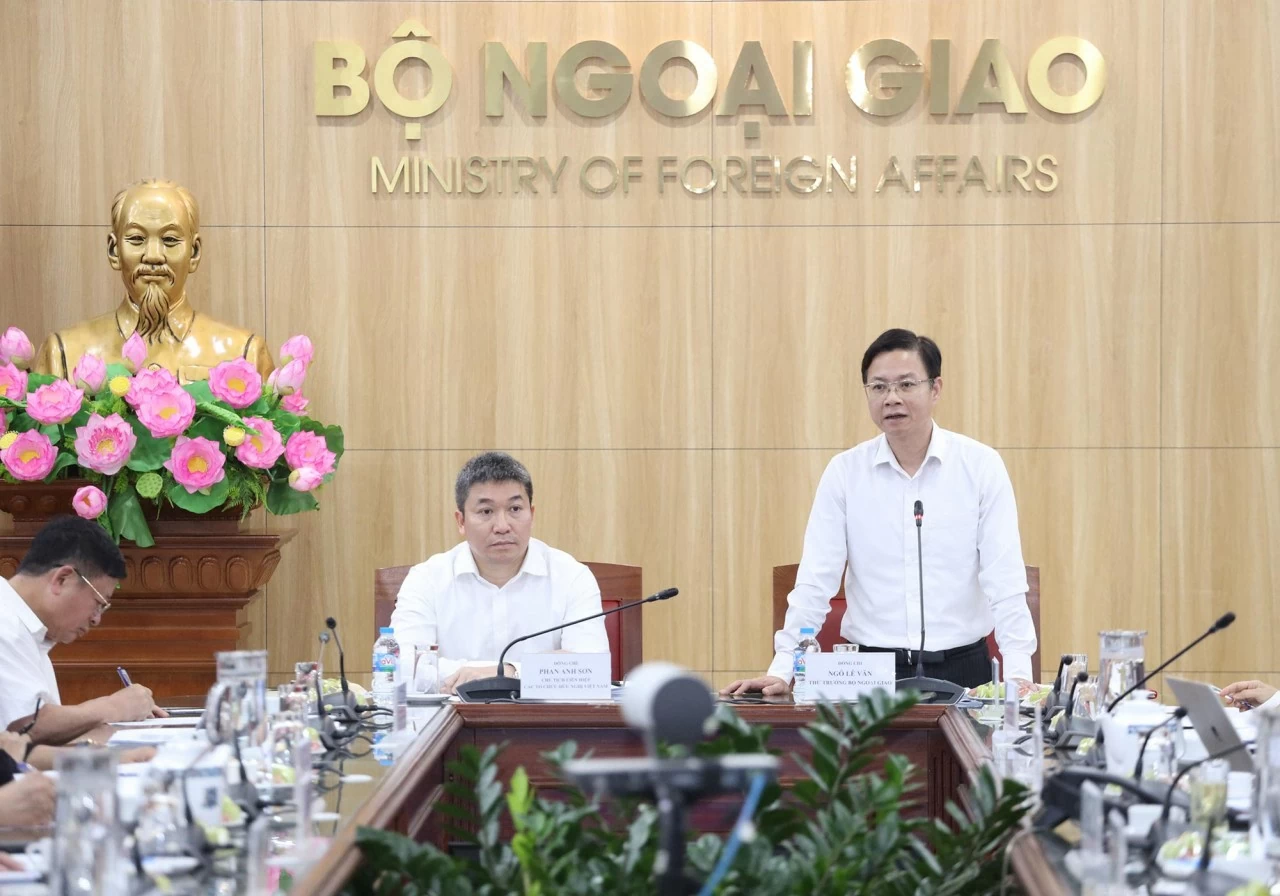 |
| Deputy Minister of Foreign Affairs Ngo Le Van delivers the opening speech at the seminar. (Photo: Thanh Long) |
In his keynote speech, Deputy Minister of Foreign Affairs Ngo Le Van emphasized that in the context of complex global changes, increasing strategic competition, and strong shifts in global development trends, people-to-people diplomacy must continue to affirm its role as one of the three pillars of Vietnam's comprehensive, modern, and professional diplomacy.
From this requirement, the seminar focused on discussing major issues such as: Innovating thinking and methods of implementing people's diplomacy; enhancing effectiveness in participating in multilateral mechanisms; external information work in the digital space; promoting the role of the overseas Vietnamese community; mobilizing international resources for development; strengthening coordination among forces engaged in people-to-people diplomacy; and improving related mechanisms and policies.
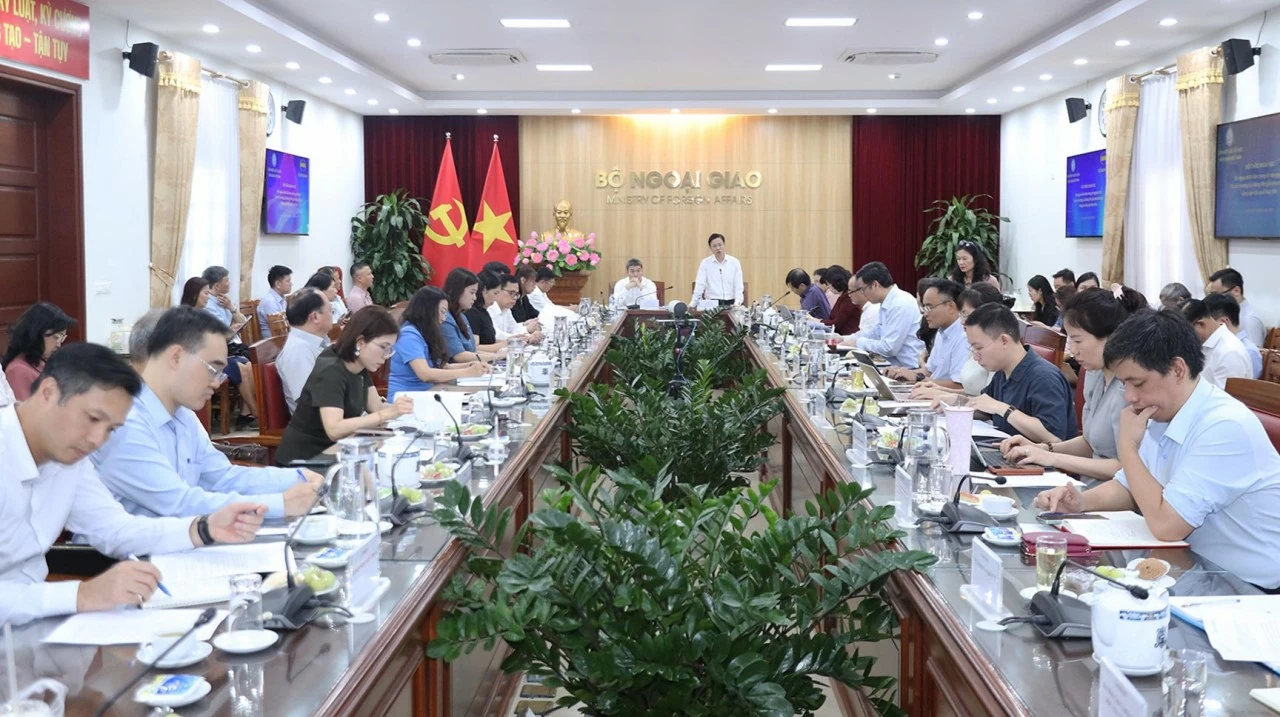 |
| Overview of the seminar. (Photo: Thanh Long) |
Notably, the seminar needs to propose breakthrough, feasible solutions aligned with the implementation of the foreign policy of the 14th National Party Congress, thereby creating a favorable international environment for the country's rapid and sustainable development.
The delegates deeply analyzed the current international context with intense strategic competition, non-traditional security challenges, and shifts in global development trends. The seminar agreed that people-to-people diplomacy must undergo a strong renewal in thinking, content, and implementation methods to meet the demands of the new era.
Particularly, there is a need to shift from a mindset of "participation" to "proactive contribution, creation, and shaping", closely linking diplomatic activities with the strategic development goals of the country such as digital transformation, innovation, and protecting national interests. Today's people-to-people diplomacy goes beyond friendly exchanges and has become an effective means to enhance national soft power.
 |
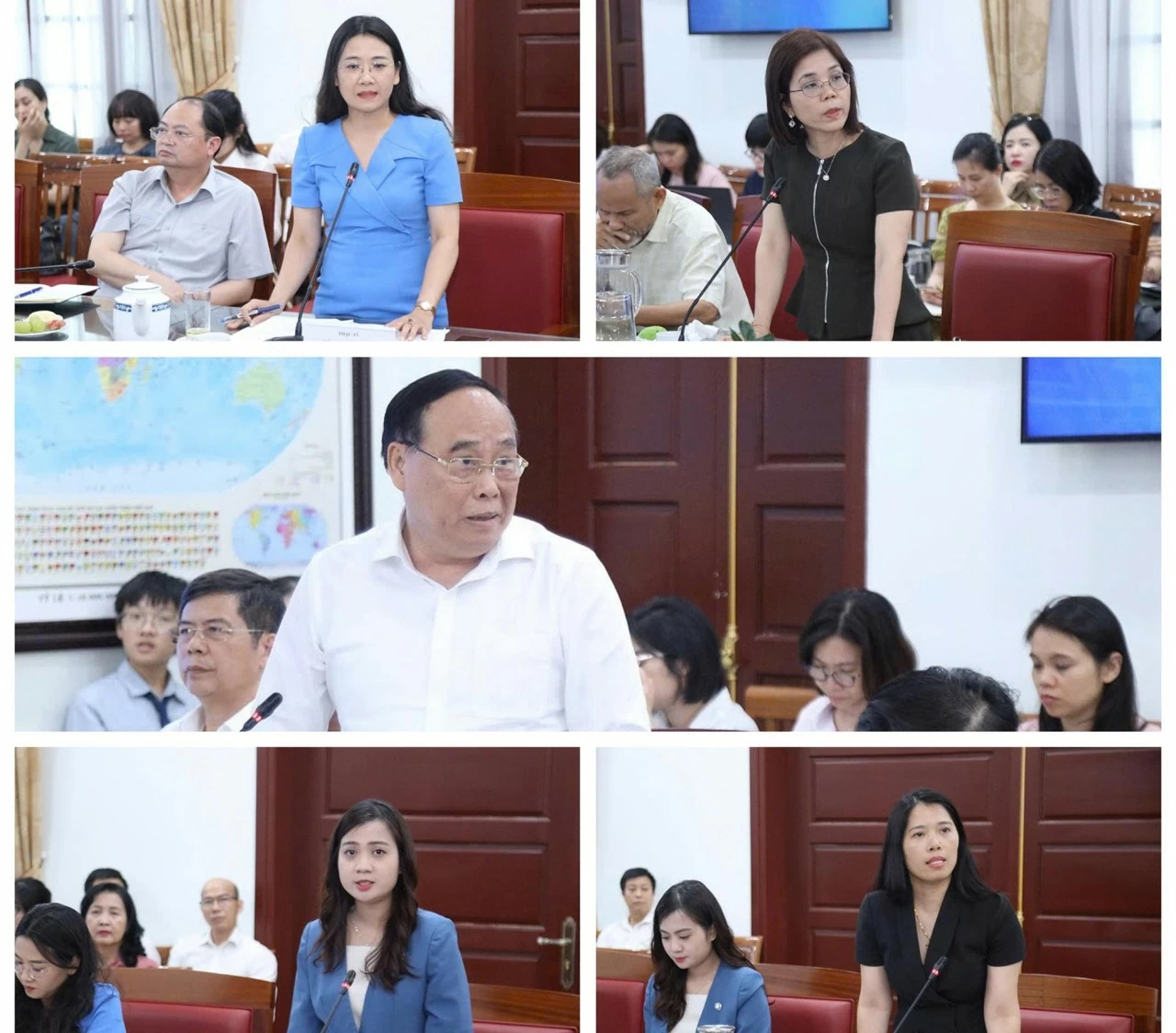 |
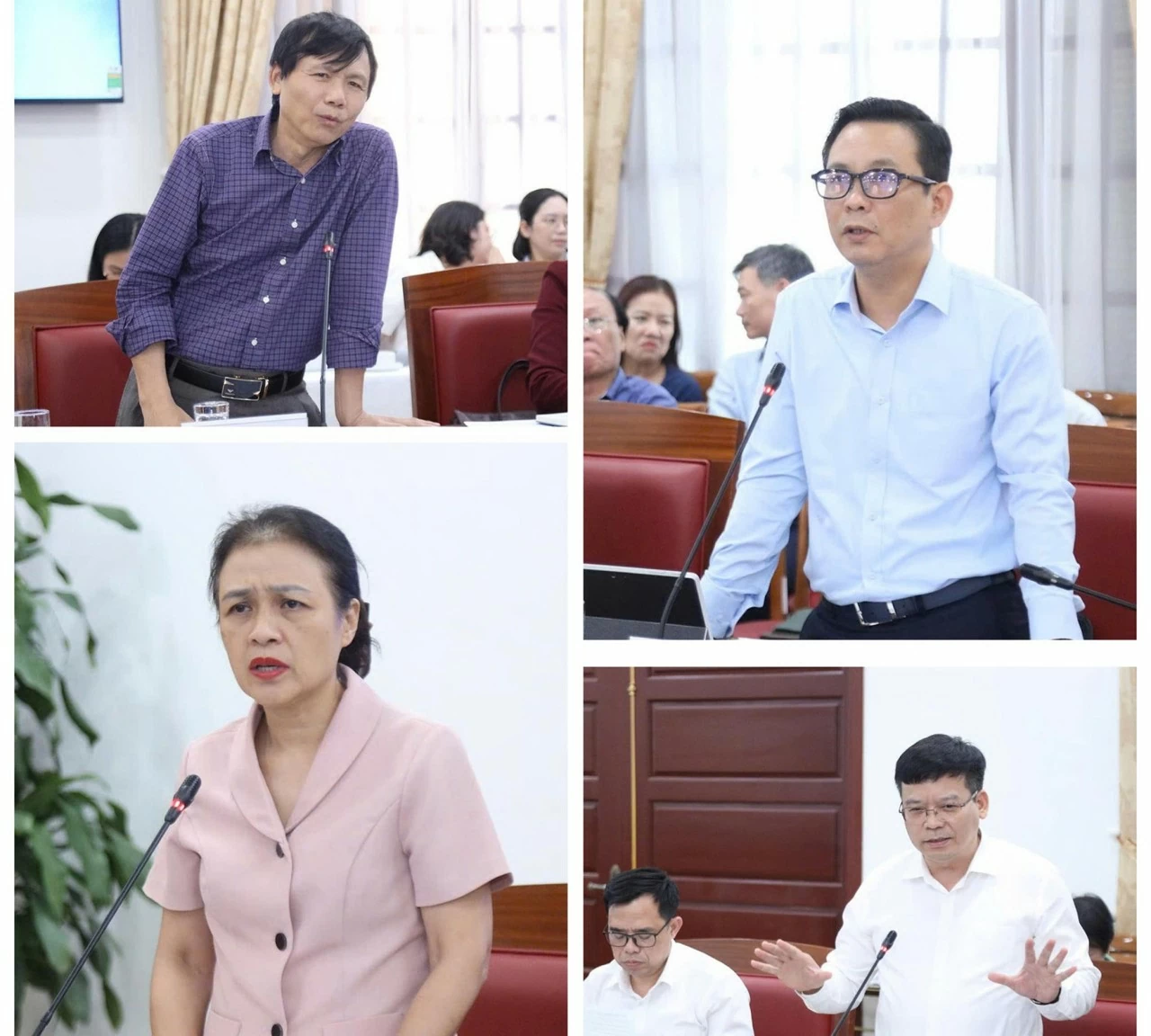
| Delegates deliver thematic speeches at the seminar. (Photo: Thanh Long) |
To realize this goal, the seminar proposed many breakthrough solutions related to improving the quality of research, strategic advice, and training, enhancing the capacity of those involved in people's diplomacy; increasing the participation of people's organizations in multilateral mechanisms; innovating the content and methods of external information; promoting the guiding and coordinating role of the Vietnam Fatherland Front; and expanding the role of people's diplomacy in fields such as economic, scientific-technological, and cultural diplomacy.
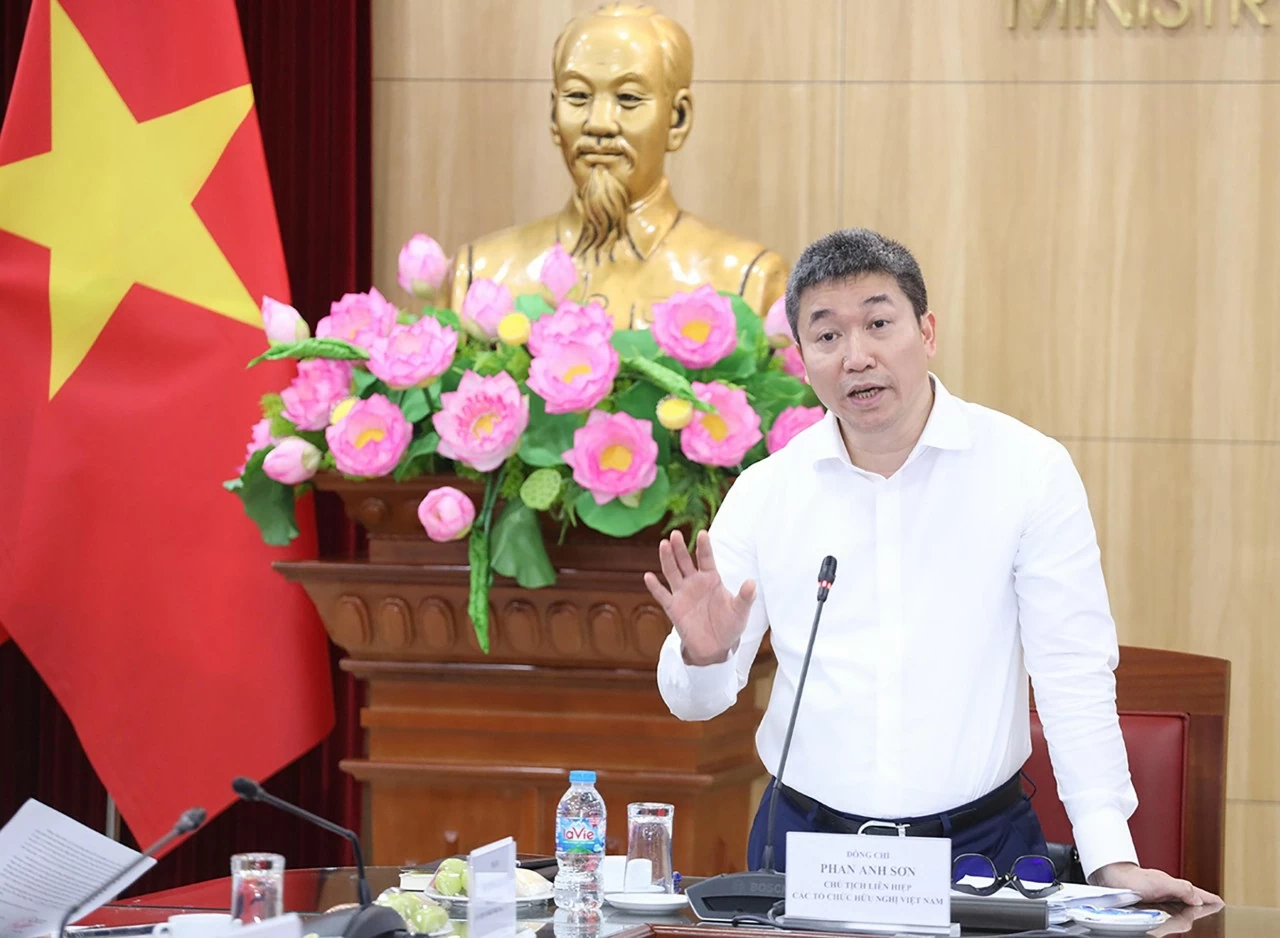 |
| President of the Vietnam Union of Friendship Organizations Phan Anh Son speaks at the seminar. (Photo: Thanh Long) |
President of the Vietnam Union of Friendship Organizations Phan Anh Son emphasized that all presentations affirmed the correct stature, role, and important position of people-to-people diplomacy, while also suggesting substantive activities, enhancing research advice, and regularly updating and assessing the situation.
He pointed out current obstacles such as awareness, mechanisms, resources, and coordination work... and suggested the need for a unified directive mechanism, closely coordinated between central and local levels, among agencies, ministries, and sectors to continue enhancing the effectiveness of people-to-people diplomacy.
Additionally, the VUFO President called for innovation in thinking, approach, and synchronization in leadership and direction, with particular attention to building and training the cadre to meet the task requirements in the new context.
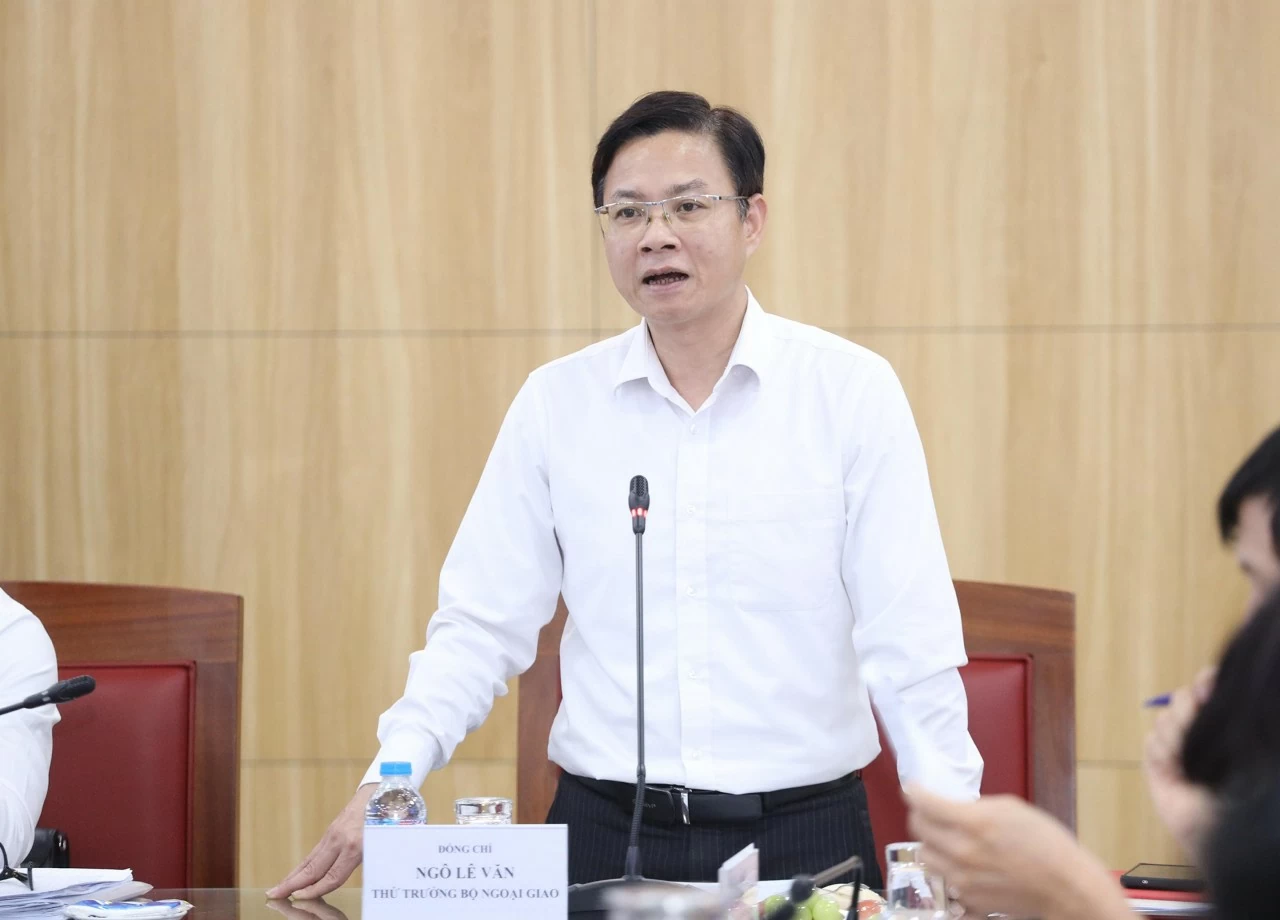 |
| Deputy Minister of Foreign Affairs Ngo Le Van delivers the closing remarks at the seminar. (Photo: Thanh Long) |
Concluding the seminar, Deputy Minister Ngo Le Van acknowledged the contributions and stated that to elevate people-to-people diplomacy in the new situation, it is necessary to address bottlenecks in thinking, awareness, coordination mechanisms, and ensure human and financial resources for people-to-people diplomatic activities; while promoting the diverse roles of entities such as businesses, intellectuals, artists, and the overseas Vietnamese community, linked with new technologies, artificial intelligence (AI), and digital transformation.
The Deputy Foreign Minister emphasized the need to build a strategy for people-to-people diplomacy, with clear assignment and coordination mechanisms, measurable outcomes, and research to institutionalize appropriate policies and regimes. Deputy Minister Ngo Le Van also expressed confidence that with innovative thinking, approach, and synchronized coordination, people-to-people diplomacy will continue to develop robustly, making practical contributions to the cause of building and defending the Fatherland in the new era.
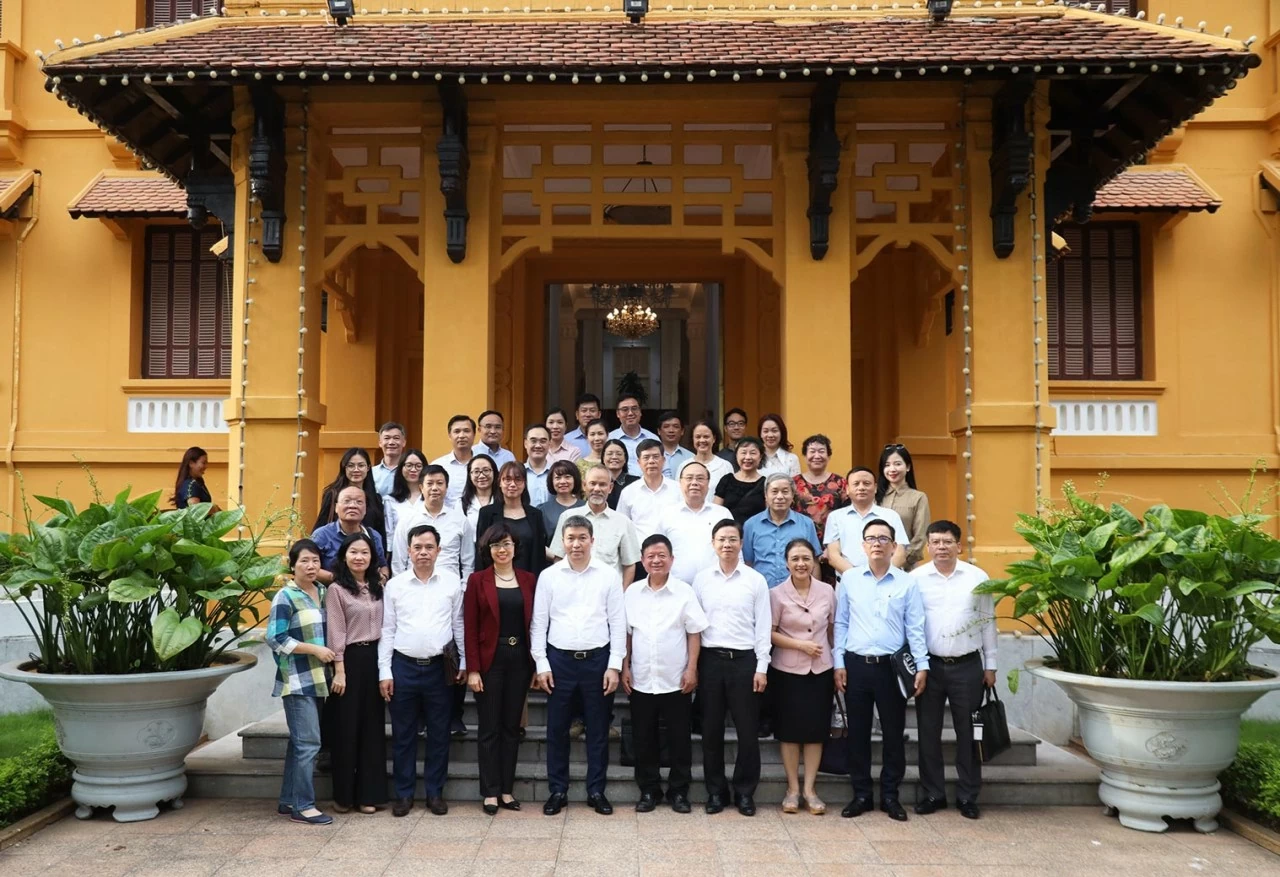 |
| Delegates take a group photo. (Photo: Thanh Long) |


