


Realizing the aspiration of a strong maritime nation: Strategic autonomy and international integration are inseparable
WVR - Resolution 20 on building and developing Vietnam into a strong maritime nation encompasses a comprehensive scope. It is both a goal and a mission, while also opening up a new vision.
Latest
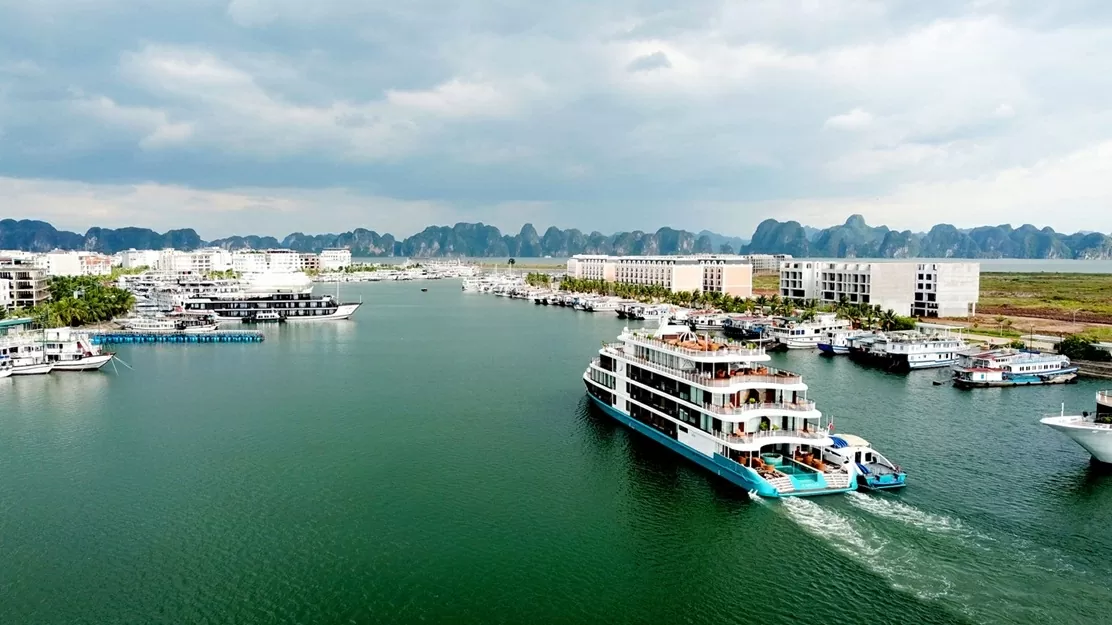 |
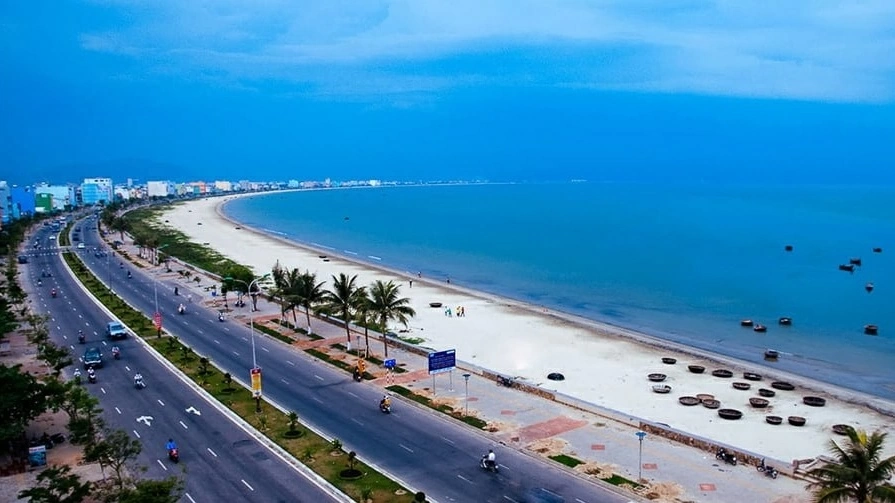
| Resolution No. 20-NQ/TW dated July 28, 2026, on building and developing Vietnam into a strong maritime nation not only defines goals and tasks but also opens up a long-term strategic vision. (Source: Quang Ninh Newspaper) |
Resolution No. 20-NQ/TW dated July 28, 2026, on building and developing Vietnam into a strong maritime nation not only defines goals and tasks but also opens up a long-term strategic vision, laying the foundation for development thinking and maritime space governance in the new phase. In an exclusive interview with TG&VN, Associate Professor Dr. Nguyen Chu Hoi, former Deputy Director General of the Vietnam Administration of Seas and Islands, a member of the 15th National Assembly, and Standing Vice Chairman of the Vietnam Fisheries Society, analyzed the advantages, development pillars, and the role of international cooperation in the journey to realize the aspiration of building Vietnam into a strong maritime nation.
How do you assess the strategic vision and significance of issuing Resolution 20 to guide Vietnam's development into a strong maritime nation?
Resolution 20 on building and developing Vietnam into a strong maritime nation encompasses a comprehensive scope. It is both a goal and a mission, while also opening up a new vision. The special feature of this resolution compared to previous ones is that it does not limit the time for achieving the goal. This demonstrates a long-term vision, strategic nature, and reflects a new development philosophy of Vietnam.
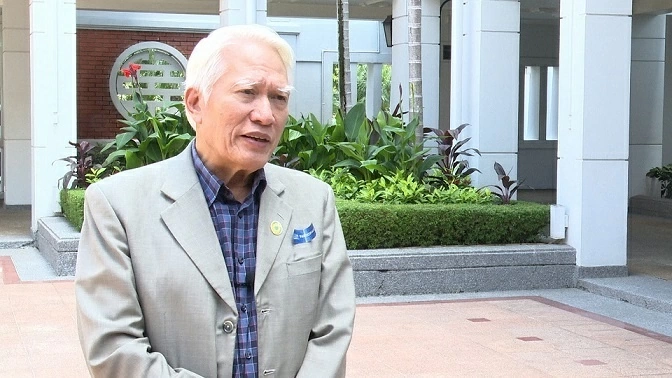 |
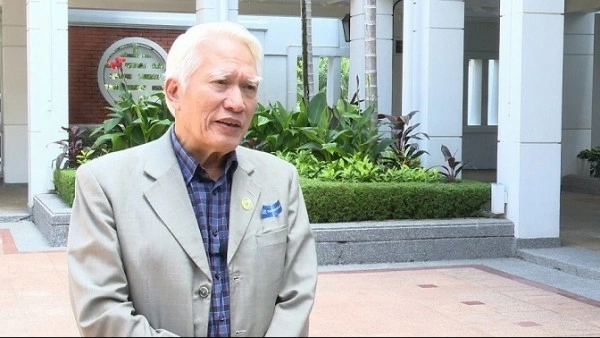
| Associate Professor Dr. Nguyen Chu Hoi, former Deputy Director General of the Vietnam Administration of Seas and Islands, a member of the 15th National Assembly, and Standing Vice Chairman of the Vietnam Fisheries Society, answers questions from TG&VN. (Photo: Thanh Long) |
This development philosophy is built on two core foundations. First is the lesson from international experience. Over the past 10–15 years, the world has gradually approached maritime space governance. Vietnam has studied and selected successful and unsuccessful lessons from international practices. Second is based on the practical and urgent needs of the country as it enters a new era of development – an era of national resurgence. We need breakthrough, distinctive, and sustainable steps to ensure the country's prosperity while protecting the legitimate rights and interests of the people. These are the conditions for Vietnam to rise strongly, proactively integrate, and enhance its position on the international stage.
Resolution 20 is of great significance as it concretizes macro orientations into actionable tasks for the entire political system, from Party, Government, and National Assembly agencies to ministries and sectors. Many issues that scientists have studied and passionately advised on 15–20 years ago, based on the experiences and knowledge from international forums, but lacked the conditions for implementation, have now been specifically included in the resolution. The current challenge is action: how to transform the spirit of the resolution into practical results and products that meet the development requirements in the new era.
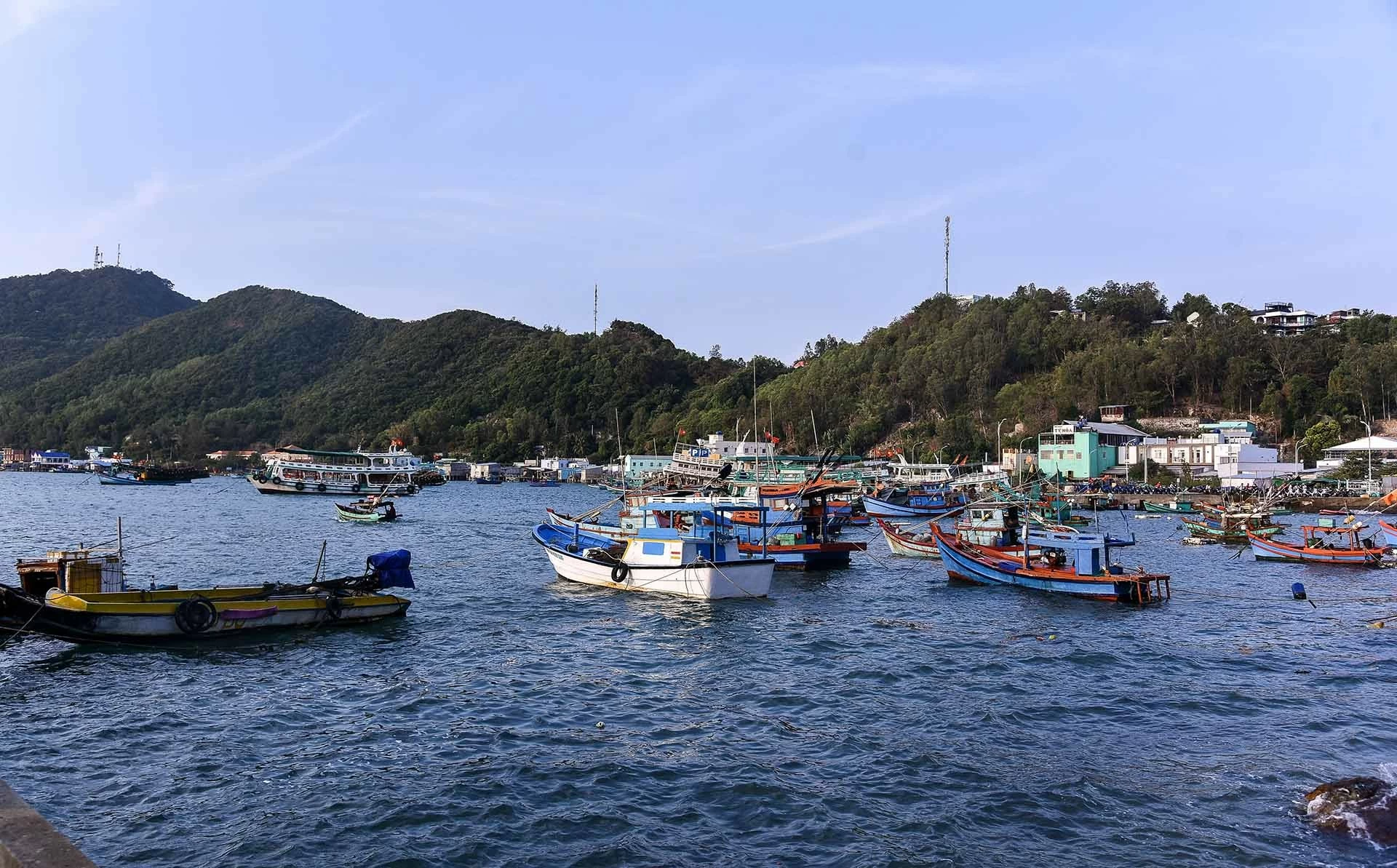 |
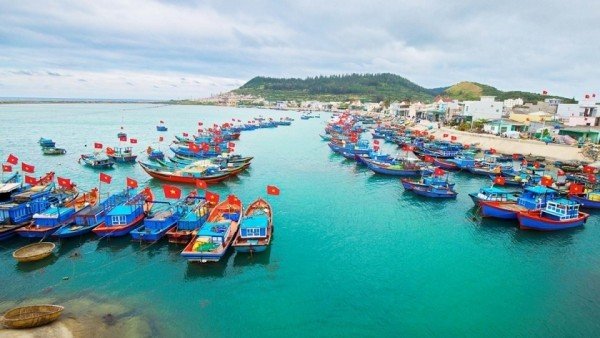
| Sustainable development of the maritime economy must be based on green growth, promoting Vietnam's unique maritime cultural values. (Photo: Nguyen Hong) |
In your opinion, what “golden advantages” does Vietnam possess to create a launching pad for realizing the aspiration of becoming a strong maritime nation?
The greatest advantage currently is that we have identified a clear development strategy for the new era, aiming to build a prosperous, powerful, and happy country.
On this basis, the Party and State have issued many guiding documents, identifying science and technology as the driving force for development, while decisively removing institutional bottlenecks to create a favorable environment for breakthroughs and promote strong private economic development. The overarching goal is to develop a fast, efficient, and sustainable economy.
Especially in terms of governance thinking, we are reorganizing the development space. For maritime space, Resolution 20 marks an important shift in development thinking: from a fragmented, isolated approach by sector, lacking connectivity, to maritime space governance in an interconnected, synchronized manner. This approach helps minimize conflicts of interest between sectors exploiting the same sea area, overcoming the situation of pursuing short-term benefits of one sector but reducing the long-term development potential of another.
To visualize, building a strong maritime nation can be seen as a chair with four legs, corresponding to four pillars. Only when all four pillars are solid can we have a sustainable foundation to realize the goal of a strong maritime nation. Specifically: First, maritime institutions and governance must be modern. Second, marine science and technology must be advanced. Third, the maritime economy must be efficient, green, and sustainable. Fourth, security and defense must be strong, to protect the peaceful environment, sovereignty, and legitimate rights and interests of Vietnam in the East Sea; while being ready to participate extensively in activities in areas beyond national jurisdiction, such as participating in the High Seas Treaty (BBNJ).
| “Building a strong maritime nation can be seen as a chair with four legs, corresponding to four pillars. Only when all four pillars are solid can we have a sustainable foundation to realize the goal of a strong maritime nation”. |
With a long-term vision and no time limit for achieving the goal, whether Vietnam becomes a strong maritime nation by 2030, 2045, or 2055 depends greatly on our implementation speed and determination. The aspiration is there, the direction is clear, the path has been identified; the issue is whether we will move quickly or slowly.
To accelerate this journey, how do you evaluate the role of international cooperation in supporting Vietnam to realize this goal?
One of the core objectives of building a strong maritime nation is to achieve strategic autonomy at sea in particular and in economic development in general, especially in the context of increasing competition and influence among world powers.
However, independence and autonomy do not mean “going it alone” or being closed off. In an integrated world, with an increasingly open network of partners, international cooperation is an important tool and method to help Vietnam consolidate and maintain strong strategic autonomy. Strategic autonomy and international integration are two closely linked, inseparable aspects.
Vietnam continues to befriend countries and the world, while steadfastly maintaining independence and autonomy. This mindset is clearly reflected in foreign policy principles such as “unchanging to adapt to changes” that our Party has summarized. It is a diplomatic approach that is clever and distinctly Vietnamese, proven effective in practice. Vietnam's position and reputation on the international stage continue to rise. We consider international recognition as motivation to keep moving forward.
I believe that with the concerted effort of the entire political system and the people, with the spirit of “the Party's will, the people's heart” along with a constructive government, always listening and acting for the benefit of the people, Vietnam will advance further on the path of building a strong maritime nation, thereby continuing to affirm the country's position and reputation on the international stage.
To achieve economic autonomy, mastering technology is essential. Is that also the reason why Vietnam needs to shift strongly towards developing distant and deep-sea economies?
Indeed. Developing distant and deep-sea economies is not just an option but is becoming an inevitable requirement. Coastal areas are currently not only affected by land but are also the most heavily impacted by climate change and human activities, causing resources to deplete and degrade. If we want to exploit more valuable resources, we must reach further and deeper.
However, distant and deep-sea areas are entirely different environments compared to coastal areas. This is a high-risk environment, requiring modern organizational, technological, and governance capabilities. Therefore, without mastering technology, it is very challenging to realize development goals in these spaces.
Thank you very much!