




A day for culture, a decade for Vietnam - Indonesia partnership
Both Viet Nam and Indonesia have elevated it within their foreign policy strategies.
Latest
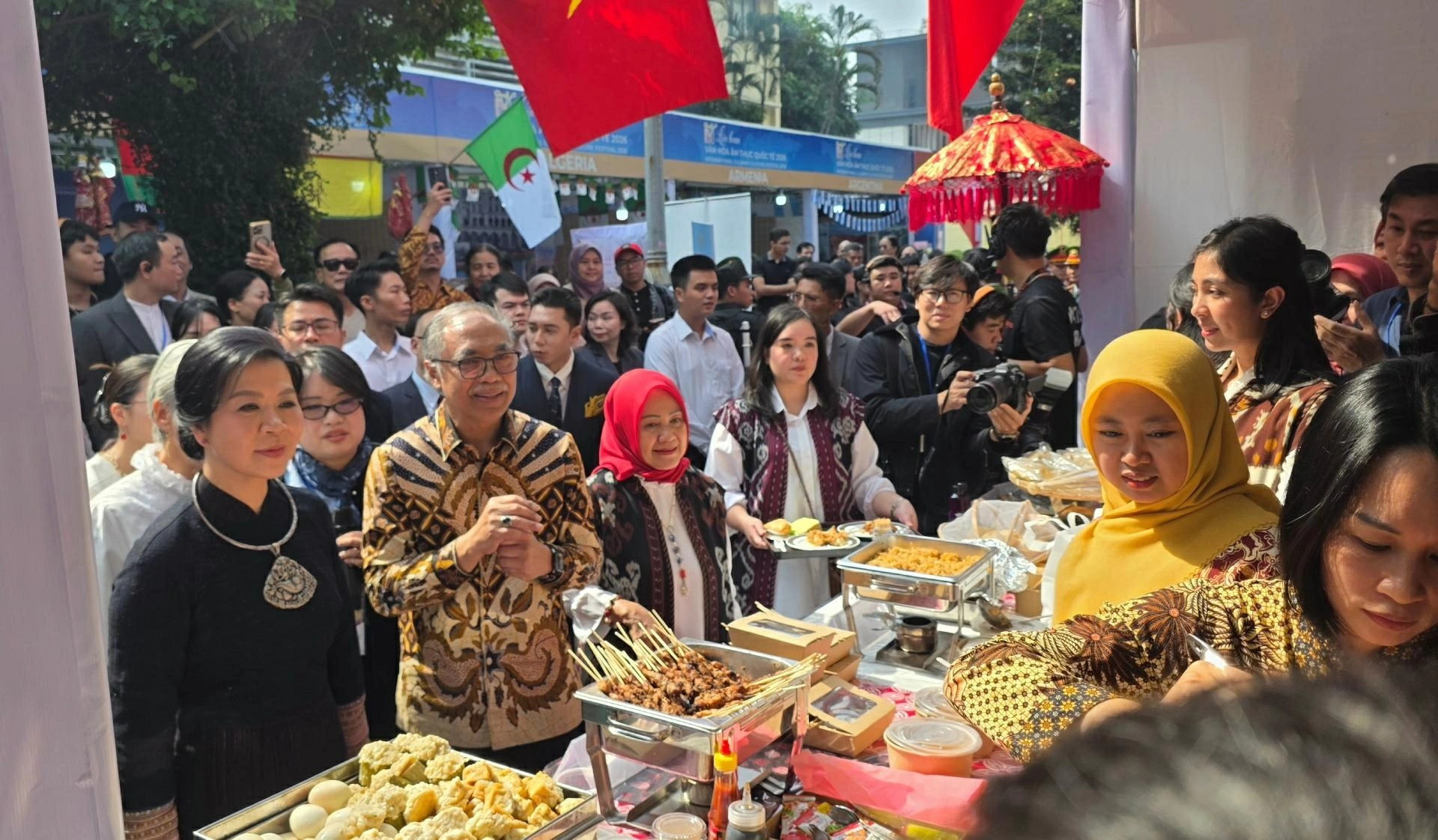 |
| Indonesian Ambassador to Vietnam Adam M. Tugio introduces the unique features of the archipelago's cuisine to Mrs. Ngo Phuong Ly, spouse of General Secretary, President To Lam, at the International Culinary Culture Festival 2026. (Source: Indonesian Embassy in Vietnam) |
On 24 November, the streets around Hoan Kiem Lake will become more than a cultural venue. It will become a national stage where Viet Nam celebrates its identity, creativity, and heritage. Design installations, artistic performances, exhibitions, and community activities will bring culture closer to millions of people. With the National Assembly recognizing the occasion as a public holiday, citizens across the country can fully participate in this historic celebration.
The significance of Viet Nam's first National Cultural Day goes far beyond a single event. It sends a powerful message that culture is not merely an addition to development, but a foundation for national unity, social progress, and international engagement.
Around the world, countries increasingly recognize that culture is one of their greatest strategic assets. A nation's influence is shaped not only by its economic strength or political weight. But also, by the attractiveness of its values, traditions, and way of life. By dedicating a national day to culture and making cultural activities accessible to all, Viet Nam demonstrates that national identity is something to be lived and shared, not simply preserved in books or museums.
Celebrating national culture is not nostalgia but development strategy. Since culture contributes transversally to all 17 SDGs, UNESCO has consistently emphasized this to national economic growth. It supports tourism, inspires creative industries, strengthens communities, and creates opportunities for innovation. And when people take pride in their cultural heritage, they become more confident in shaping their future.
Indonesia’s October 17, though not a holiday, carries equal weight: a deliberate decision to place cultural identity at the center of public consciousness. Both countries are doing this in the same year, under the same regional sky, and both are doing it while their 2025 Comprehensive Strategic Partnership and now backed by a concrete Plan of Action, explicitly names education and culture as priority fields.
Despite their different traditions and histories, Viet Nam and Indonesia are pursuing a similar vision, namely culture as a source of national cohesion and international connection. Both countries understand that meaningful relationships between nations begin with understanding between people.
This is where cultural diplomacy plays an important role.
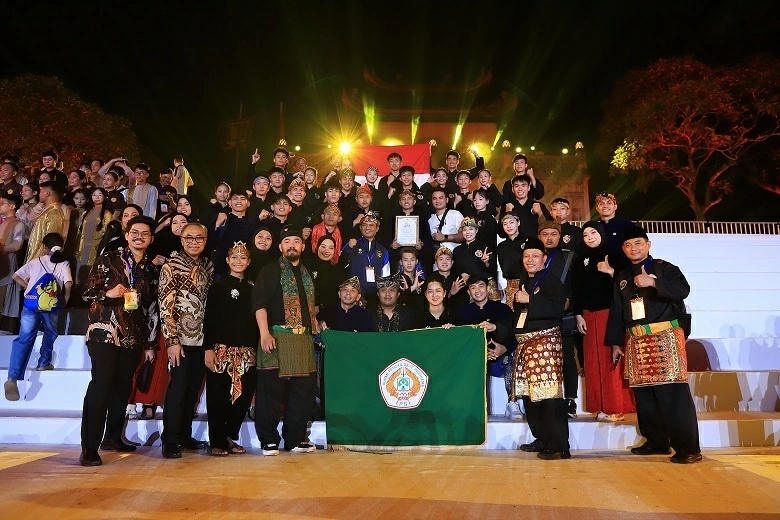 |
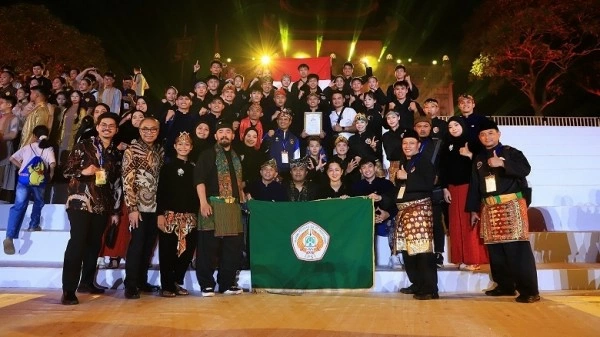
| The Vietnamese and Indonesian Pencak Silat teams at the Hanoi International Martial Arts Festival 2026. (Source: Indonesian Embassy in Vietnam) |
Cultural diplomacy has always been the quiet engine of soft power, but it works best when it stops being quiet. Unlike traditional diplomacy, which often focuses on government-to-government engagement, cultural diplomacy reaches people directly. Through art, education, heritage, tourism, and creative exchanges, it helps build trust, mutual respect, and lasting goodwill.
Not surprisingly, both Viet Nam and Indonesia have elevated it within their foreign policy strategies.
Viet Nam has identified cultural diplomacy as one of the three pillars of its comprehensive diplomacy, alongside political and economic engagement. Through the promotion of heritage, creativity, cultural exchange, and international cooperation, Viet Nam seeks to strengthen its global profile, expand cultural industries, and establish itself as a dynamic center for culture and innovation by 2045.
Indonesia likewise places culture at the heart of its international engagement. By showcasing its rich diversity, pluralism, and traditions through cultural exchanges, educational programs, artistic collaboration, and people-to-people connections, Indonesia reinforces its image as an open, inclusive, and globally engaged nation.
For both countries, culture is not merely a communication tool but a reflection of national character. Their cultural diplomacy is rooted in the strengths of their own societies, drawing on histories, traditions, and values that have evolved over generations. Authenticity remains their most enduring asset.
Viet Nam and Indonesia share qualities that resonate far beyond their borders: resilience, diversity, social harmony, community spirit, and respect for cultural heritage. In a world increasingly shaped by geopolitical uncertainty and social fragmentation, these values offer a compelling foundation for dialogue, trust, and cooperation. Rather than projecting a single cultural narrative, both countries demonstrate how diversity and mutual respect can coexist within vibrant and confident societies.
And the Comprehensive Strategic Partnership provides an important framework for translating these shared values into practical collaboration. Cultural cooperation, with its direct connection to citizens and communities, is uniquely positioned to deliver visible and meaningful results while strengthening the bonds between the two nations.
Several initiatives could help realize this potential. An annual Cultural Week, rotating between major cities in Viet Nam-Indonesia, would allow citizens to experience each other's music, cuisine, fashion, films, and artistic traditions. Expanded scholarships and exchange programs for students, researchers, artists, and cultural professionals would nurture a new generation of champions for bilateral friendship. Indonesia has initiated this program through KNB scholarships for university degree program, and Dharma Siswa for non-degree cultural programs.
The two countries could also deepen cooperation in the creative economy. Joint projects in film, animation, music, digital content, gaming, and design would not only strengthen cultural links but also create new economic opportunities. At the same time, tourism cooperation could connect Indonesia's strengths in halal tourism with Viet Nam's growing appeal as a cultural and heritage destination.
Another promising initiative would be regular dialogue of cultural diplomacy forum, bringing together policymakers, scholars, artists, media professionals, and business leaders. Such a platform could generate fresh ideas and support the implementation of cultural initiatives under the Comprehensive Strategic Partnership.
Ultimately, National Culture Days are much more than ceremonial occasions. They are strategic investments in national identity, social cohesion, creativity, and international friendship. Korea showed the world what culture can do for a nation's brand. Indonesia and Viet Nam can show the world what culture can do for a region's soul and its prosperity. And when two nations do so together, they create the foundation for a lasting partnership.
As Hanoi celebrates around Hoan Kiem Lake this November, let the lake's legendary turtle carry a message to Jakarta: two nations that take a day for their culture will spend a decade building something lasting together. That is the true promise of the 2025 Comprehensive Strategic Partnership and its 2026–2030 Action Plan should write it in full. Happy National Cultural Day for brothers and sisters of Viet Nam.