




Vietnam's Honorary Consular Network abroad – 'Extended arm'of the Diplomatic sector
WVR - Ahead of the second Vietnam Honorary Consular Conference in Quang Ninh, Deputy Minister of Foreign Affairs Le Thi Thu Hang affirmed that the network of 48 honorary consuls in 35 countries is increasingly playing its role as the “extended arm” of the diplomatic sector in citizen protection, economic cooperation, and promoting Vietnam's image.
Latest
This conference is expected to create new momentum, enhancing the effectiveness of the honorary consular system, contributing to achieving foreign policy objectives in the country's new development phase.
First, could you elaborate on the honorary consular institution? How has this network contributed to Vietnam's foreign affairs, especially in citizen protection and economic diplomacy recently?
The honorary consul is a special institution under international law (stipulated in the 1963 Vienna Convention on Consular Relations) that Vietnam officially institutionalized early on, marked by Minister of Foreign Affairs Nguyen Manh Cam signing Decision No. 06 NG/QD issuing the Honorary Consul Regulation on January 8, 1994, and appointing the first honorary consul in Lebanon in January 1994.
After more than three decades, Vietnam's honorary consular system has developed strongly. To date, we have 48 honorary consuls effectively operating in 35 countries, spanning all continents. Unlike professional consular officers who are government officials of Vietnam, most honorary consuls are successful, reputable entrepreneurs who voluntarily support consular work and protect Vietnamese citizens abroad using personal resources. Despite having different nationalities, they are connected to Vietnam through sincere affection, personal prestige, and a spirit of voluntary companionship. Many have served as honorary consuls for four consecutive terms (12 years).
In contexts where Vietnamese Representative Missions cannot be present everywhere, honorary consuls are appointed in places where we have not established a representative mission or in localities far from where we have a mission. Honorary consuls are the “extended arm” contributing to the “timely” protection of the legitimate rights and interests of Vietnamese citizens and legal entities, as well as connecting cooperation opportunities between Vietnam and the host country.
Reflecting on the development journey, honorary consuls have made substantial contributions, especially in protecting Vietnamese citizens and legal entities abroad and promoting economic, trade, and investment cooperation.
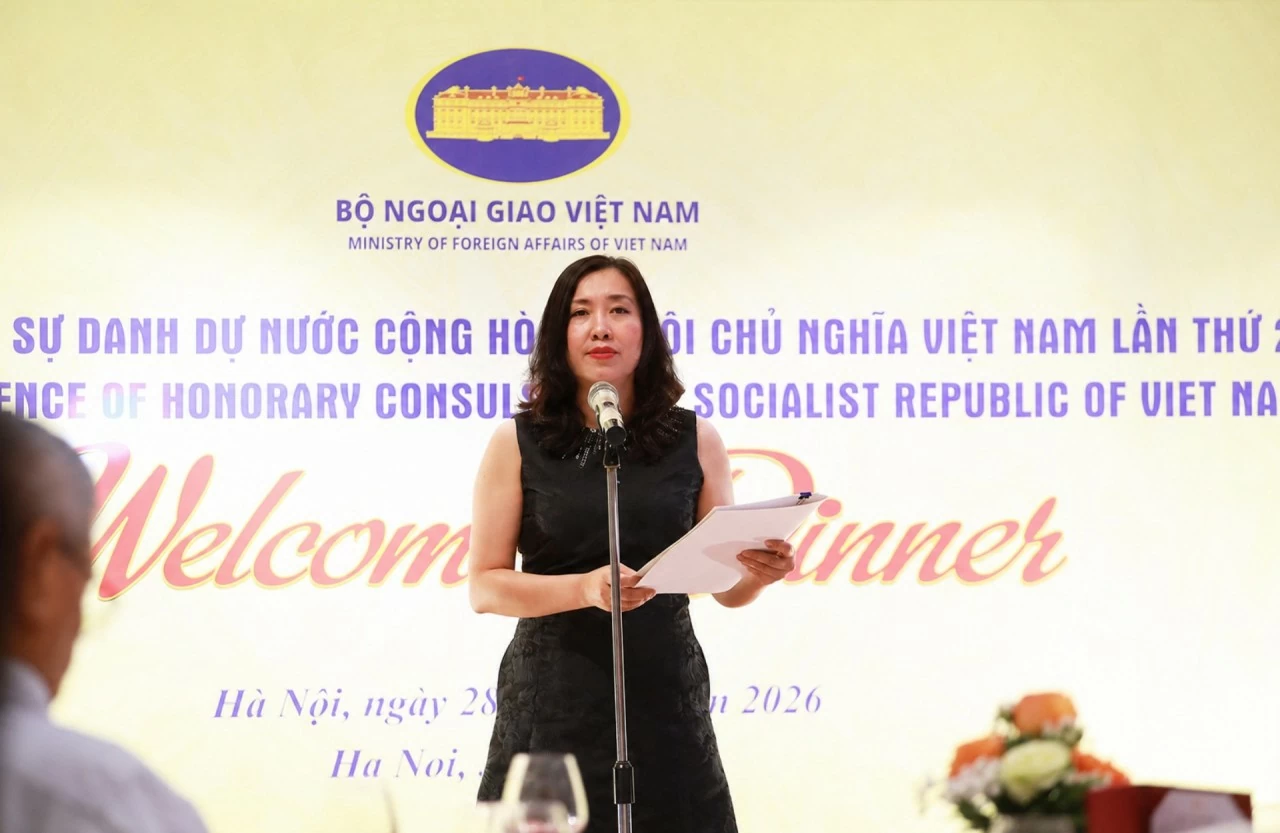 |
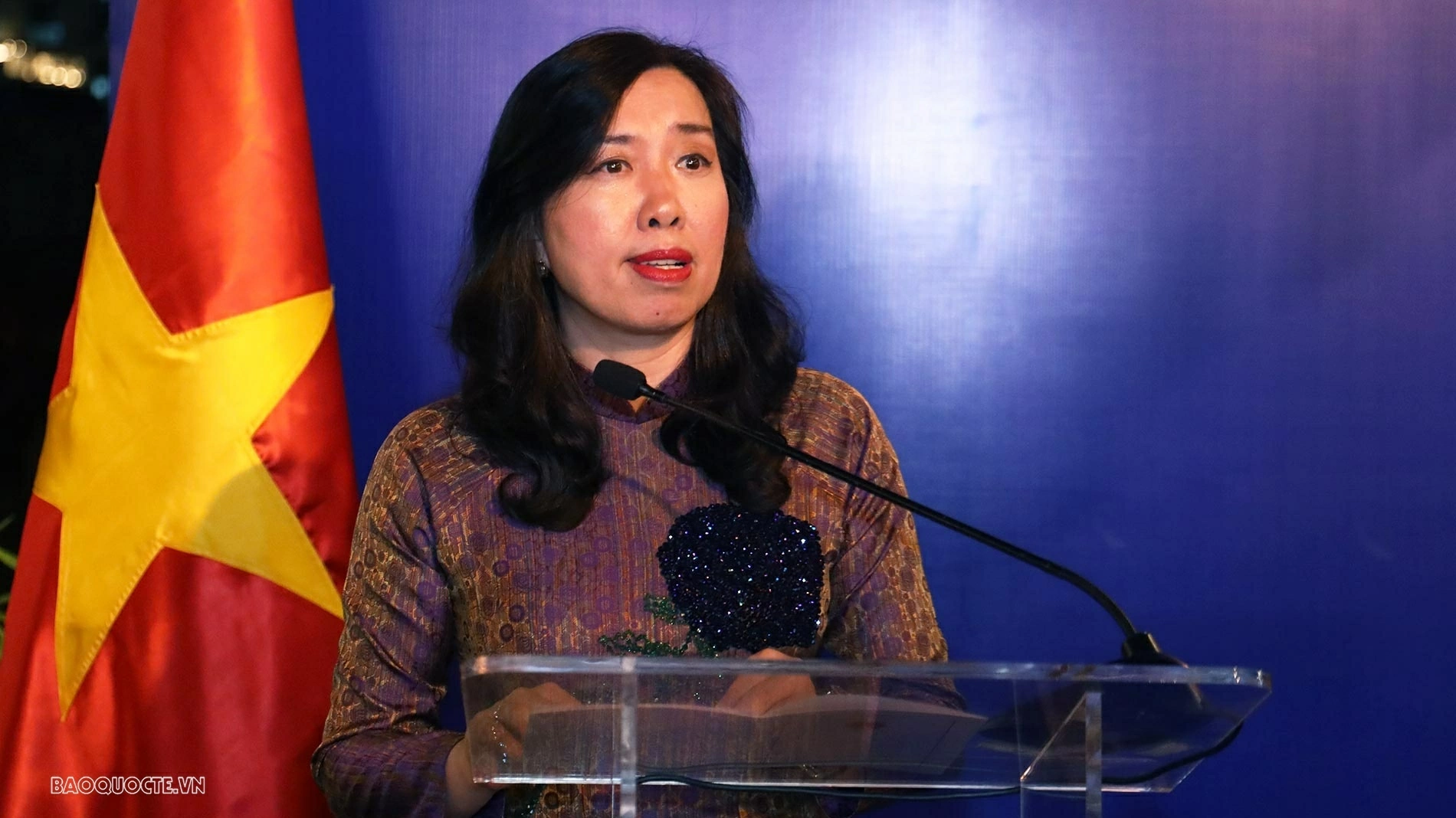
| Deputy Minister of Foreign Affairs Le Thi Thu Hang speaking at the welcome party for delegates attending the second Vietnam Honorary Consular Conference. (Photo: Thanh Long) |
In a rapidly changing, complex world with many security and safety challenges such as the COVID-19 pandemic, the Russia-Ukraine conflict, and conflicts in the Middle East, the timely and dedicated companionship of honorary consuls on the ground has become a reassuring support for the Vietnamese community abroad. Honorary consuls have closely coordinated with the Ministry of Foreign Affairs and Vietnamese Representative Missions in supporting and protecting the legitimate rights and interests of Vietnamese citizens and legal entities. This is not only a responsibility but also an expression of the honorary consuls' affection for Vietnam and its people.
With extensive networks and prestige in the host country, honorary consuls have strongly played the role of "pioneering bridge", not only supporting Vietnamese business delegations in exploring and expanding export markets but also proactively "placing orders", suggesting, and directly connecting major global economic and financial corporations with Vietnamese localities and businesses. Notably, many honorary consuls have directly invested or mobilized high-quality capital flows in priority areas such as high technology, green transition, renewable energy, and high-tech agriculture into Vietnam; they also actively promote the image of a Vietnam with a long history, culture, and tradition, while also innovating and rising, contributing more to the international community.
Based on these contributions, could you share the context and special significance of the second Vietnam Honorary Consular Conference held in Quang Ninh this time?
This is an initiative of the Consular Department, Ministry of Foreign Affairs. In 2021, the first Vietnam Honorary Consular Conference took place when the world was grappling with the COVID-19 pandemic, in a hybrid format of online and in-person.
The second Honorary Consular Conference this July in Quang Ninh is the first in-person forum in Vietnam for honorary consuls and is happening at a particularly meaningful time. Vietnam has just successfully organized the 14th National Party Congress, a historical milestone opening a new development chapter with aspirations for breakthroughs, propelling Vietnam into a new era of national advancement. Additionally, the Vietnam Honorary Consular Conference is taking place right before the 33rd Diplomatic Conference, a time when the entire Vietnamese diplomatic sector will internalize the major orientations of the 14th National Party Congress and devise strategies, plans, and measures to implement foreign policy in the new phase.
Therefore, the second Honorary Consular Conference is not merely a regular exchange forum but also a milestone for transferring thought and shaping action. It is an occasion to review and honour the substantial and effective contributions of Vietnam's honorary consuls abroad, while also clarifying the new demands of Vietnam's foreign affairs sector, setting expectations and tasks for breakthroughs in action, and enhancing the effectiveness of Vietnam's honorary consular system abroad.
Moreover, choosing Quang Ninh, one of the leading localities in the country in terms of development speed, modern infrastructure, and proactive integration spirit, as the event venue also sends a message: Foreign affairs work is closely linked and takes the development of localities and the interests of people and businesses as its goal and motivation.
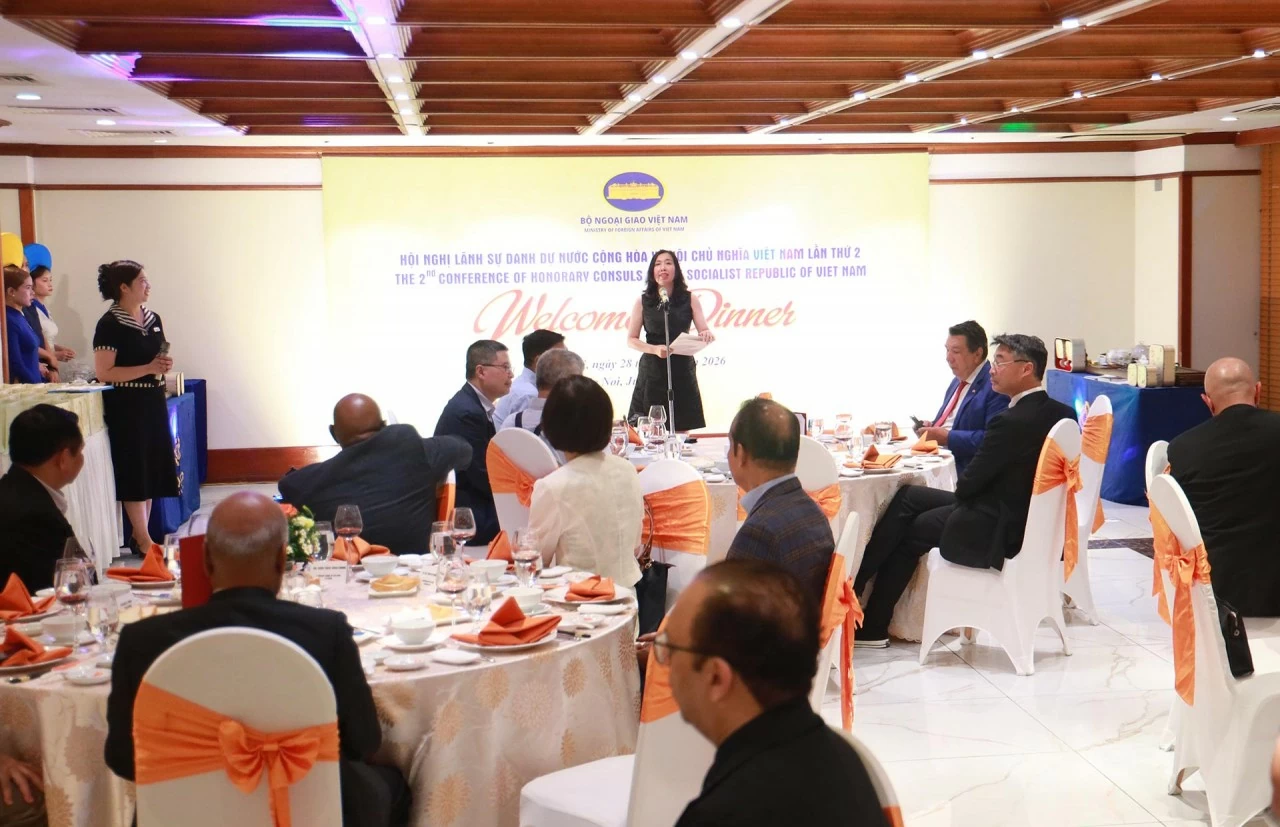 |
| Deputy Minister of Foreign Affairs Le Thi Thu Hang affirms that the second Honorary Consular Conference is not merely a regular exchange forum but also a milestone for transferring thought and shaping action. (Photo: Thanh Long) |
As the person directly overseeing the organization, what are your expectations for the substantial outcomes that the second Honorary Consular Conference will achieve this time?
This conference has been meticulously prepared and received close attention and direction from the leadership of the Ministry of Foreign Affairs, as well as the close and thoughtful coordination of the People's Committee of Quang Ninh Province, Hai Phong City, and various ministries and sectors. Throughout the four days in Hanoi, Hai Phong, and Quang Ninh, honorary consuls will not only attend the official sessions of the conference but also directly visit, work, and exchange with representatives of agencies, localities, and businesses. Aiming for a successful conference, I have three major expectations for the substantial outcomes the event will bring:
First, create a strong shift in awareness and spirit of companionship: I hope the conference will be an opportunity for honorary consuls to deeply feel the appreciation and recognition of the Party, State, and Ministry of Foreign Affairs of Vietnam for their contributions. Through this, continue to ignite passion, helping honorary consuls clearly see their role in accompanying the government, localities, and businesses as Vietnam enters a new era of development.
Second, open breakthrough solutions for consular work, citizen protection, and economic connectivity: I hope the discussions at the conference will be open, frank, and closely aligned with reality; thereby summarizing achieved results, sharing experiences and good practices, and resolving obstacles and issues in the work of honorary consuls, while also "activating" many action ideas and specific cooperation projects.
Third, establish a more seamless and professional connection mechanism: I expect the Ministry of Foreign Affairs to build an extensive network with an effective information mechanism, creating smooth and seamless coordination between the Ministry of Foreign Affairs, Vietnamese Representative Missions abroad, ministries, sectors, localities, associations, businesses, and each honorary consul so that all activities are coordinated as quickly as possible, all cooperation proposals are connected most effectively, and all difficulties and obstacles of Vietnamese citizens or businesses abroad receive the most timely support.
I am confident that the Vietnam Honorary Consular Conference in Quang Ninh will open a new, dynamic chapter of cooperation, making the honorary consular system increasingly stronger and contributing more effectively to the diplomatic sector and the country's development in the new phase.
Thank you very much, Deputy Minister!
| The honorary consul institution has been widely applied in consular relations between countries for many centuries and is recognized in the 1963 Vienna Convention on Consular Relations, of which Vietnam is a member. Vietnam's honorary consuls abroad are not state officials, public servants, or employees of Vietnam or any foreign country, do not receive salaries from the Vietnamese government budget or any other country, and are appointed by the Vietnamese Minister of Foreign Affairs when there is a need for consular work but no conditions to establish a consular representative office or appoint professional consular officers. |