



Ambassador Ha Hoang Hai: Vietnam is an important bridge and gateway for Lithuania to enhance cooperation with ASEAN
WVR - On the occasion of the official visit to Vietnam by Lithuanian Foreign Minister Kęstutis Budrys (July 27-28), Vietnamese Ambassador to Poland and concurrently to Lithuania Ha Hoang Hai shared with The World and Vietnam Report about the significance of the visit and the prospects for developing bilateral relations.
Latest
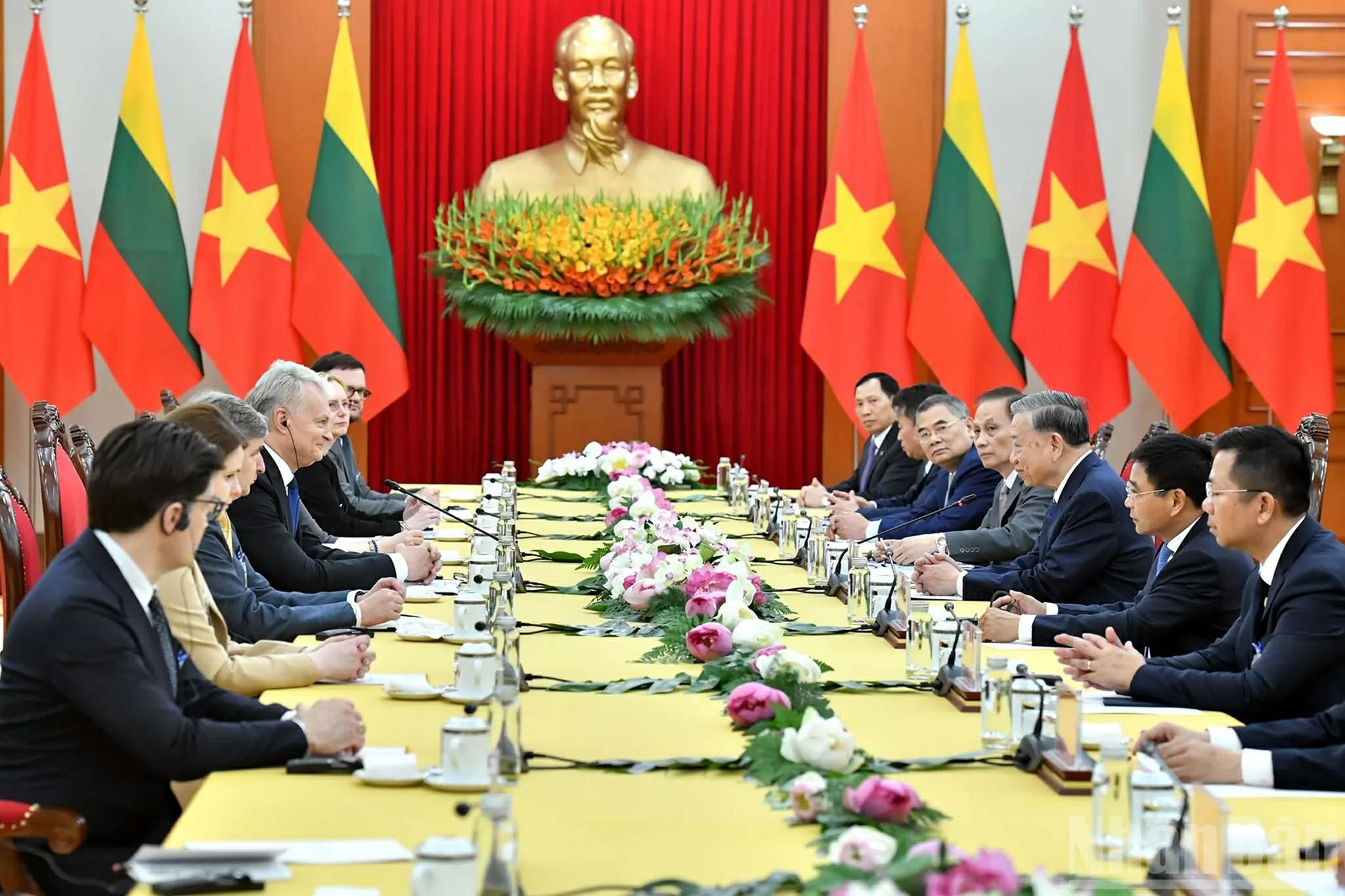 |
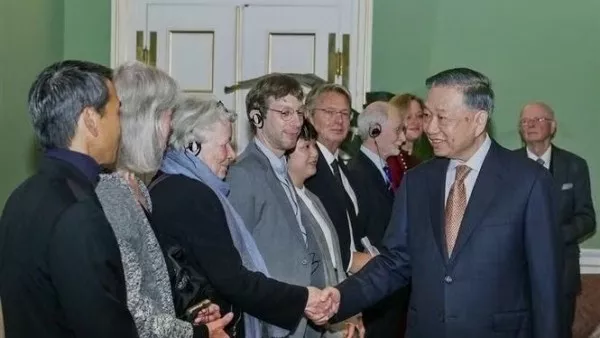
| General Secretary To Lam receives President of the Republic of Lithuania Gitanas Nauseda during his state visit to Vietnam, in June 2025. (Photo: Nhan Dan Newspaper) |
Could you share the objectives, significance, and expectations of Minister Kęstutis Budrys's visit to Vietnam, especially following the visit of President of Lithuania in 2025?
The visit of Lithuanian Foreign Minister Kęstutis Budrys to Vietnam is significant, primarily as it continues and concretizes the new momentum and results achieved from President Gitanas Nauseda's state visit to Vietnam in June 2025.
| More from WVR |
 'A strong sense of self-confidence on the faces of Vietnamese people gives me confidence in Vietnam’s future': President of Lithuania 'A strong sense of self-confidence on the faces of Vietnamese people gives me confidence in Vietnam’s future': President of Lithuania |
In my opinion, the most important goal of this visit is to promote political commitments and memorandums of understanding into specific cooperation programs and projects.
Both sides need to review the implementation results of the agreements reached during President Nauseda's visit; clearly define the roadmap for implementing some priority agreements and projects that can create a ripple effect, including the agreement between the Vietnam Chamber of Commerce and Industry (VCCI) and the Lithuanian Confederation of Industrialists, between the National Innovation Center of Vietnam (NIC) and the Lithuanian Innovation Agency, and between Hai Phong Port and Klaipeda Port, which have formed very favourable initial frameworks for business cooperation, innovation, and logistics.
On the occasion of the ASEAN-EU Foreign Ministers' Meeting in April 2026, the Foreign Ministers of the two countries discussed bilateral cooperation, in which Vietnam is interested and wishes for Lithuania to share experiences and enhance cooperation in the fields of lasers, biotechnology, fintech, cybersecurity, and grid systems; Lithuania has shown interest in LNG, artificial intelligence, high technology, agriculture, and tourism.
Therefore, this visit by the Lithuanian Foreign Minister is expected to create new progress in these prioritized and mutually interested areas of cooperation.
The visit of Minister Kestutis Budrys takes place right after Lithuania officially joined the Treaty of Amity and Cooperation in Southeast Asia (TAC), demonstrating Lithuania's regard for Vietnam in its policy to strengthen ties with the Southeast Asian region.
It can be seen that Lithuania considers Vietnam a reliable partner and an important bridge and gateway to enhance cooperation with ASEAN, thus the visit is expected to create new momentum not only for Vietnam-Lithuania bilateral relations but also to promote cooperation between Lithuania and ASEAN through Vietnam.
What are the highlights in the bilateral relations recently, and what is the current potential for cooperation between localities and businesses of the two countries, Ambassador?
The most notable highlight is the elevated level of political trust and interest from the high-level leaders of both countries. Lithuania is among the first EU countries to ratify the EU-Vietnam Investment Protection Agreement (EVIPA); recently, they also supported Vietnam's accession to the Hague Convention 1961 (Apostille). President Gitanas Nauseda's visit in 2025 marked a political-diplomatic breakthrough, helping both sides better understand each other's positions, potentials, and development needs.
Vietnam considers Lithuania a partner with many unique strengths in the Baltic region and the European Union; meanwhile, Lithuania increasingly views Vietnam as an important partner, a dynamic economy, and a gateway to access the ASEAN market.
The second highlight is the positive shift in economic cooperation. Bilateral trade turnover in 2025 reached approximately 353 million USD, an increase of 76.5% compared to the previous year. Although the trade scale is still modest compared to the potential and expectations of the two economies, such growth rate indicates that market demand and mutual complementarity are becoming increasingly apparent.
In the first six months of 2026, due to some objective regional and global fluctuations affecting bilateral trade, the two-way turnover temporarily adjusted in the short term. However, with enhanced high-level contacts and business connections, both sides expect to open up new cooperation opportunities, thereby continuing to boost bilateral import-export turnover in the future.
The third highlight is that the bilateral relationship has begun to expand from traditional goods trade to areas with higher technology content and added value. The cooperation agreements signed in 2025 on innovation, seaport-logistics, industry, and business connectivity reflect the alignment between the digital economy, green economy, and knowledge-based economy development strategies of the two countries.
In May 2026, Lithuanian high-tech company TLT Manufacturing inaugurated a factory in Tay Ninh, with two through-hole technology (THT) lines, laser engraving systems, X-ray inspection, and complete quality control processes. This is the first investment project by a Lithuanian enterprise in the electronics sector in Vietnam, reflecting Lithuanian businesses' confidence in Vietnam's investment environment, opening up prospects for deeper cooperation between the two countries in the electronics industry, high technology, and global supply chains.
Regarding local cooperation, I believe that some connection models can be formed based on complementary strengths. Hai Phong and Klaipeda can lead in seaport cooperation, logistics, green ports, and maritime human resource training. Hanoi, Ho Chi Minh City, and Da Nang can enhance connections with Vilnius and Kaunas in building smart cities, fintech, cybersecurity, innovation, and supporting startup businesses.
Vietnamese localities with agricultural strengths can also cooperate with Lithuania in food processing, preservation technology, traceability, livestock, and precision agriculture. For businesses, promising fields include logistics and multimodal transportation; information technology, cybersecurity, and artificial intelligence; laser and optical technology; biotechnology and healthcare; renewable energy, LNG, and grid management; agricultural product processing, food; education - training and tourism.
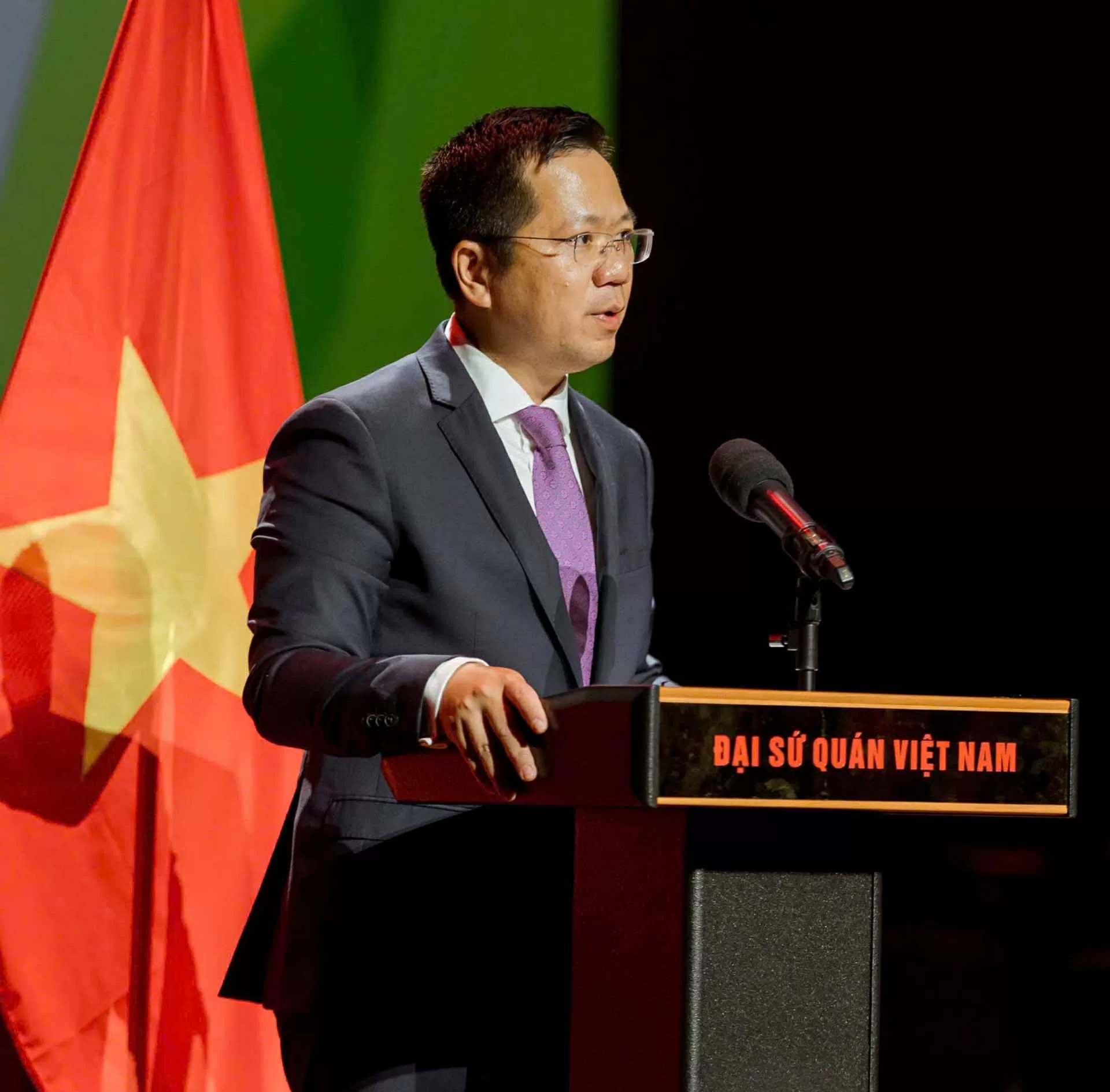 |
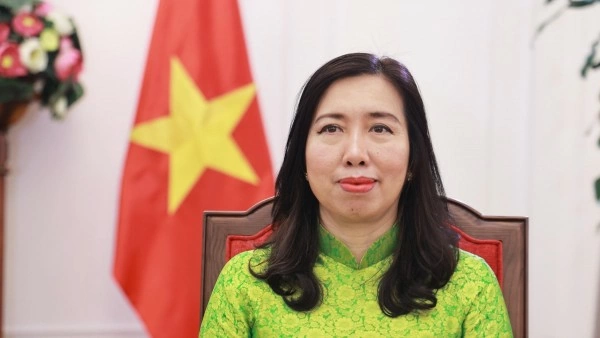
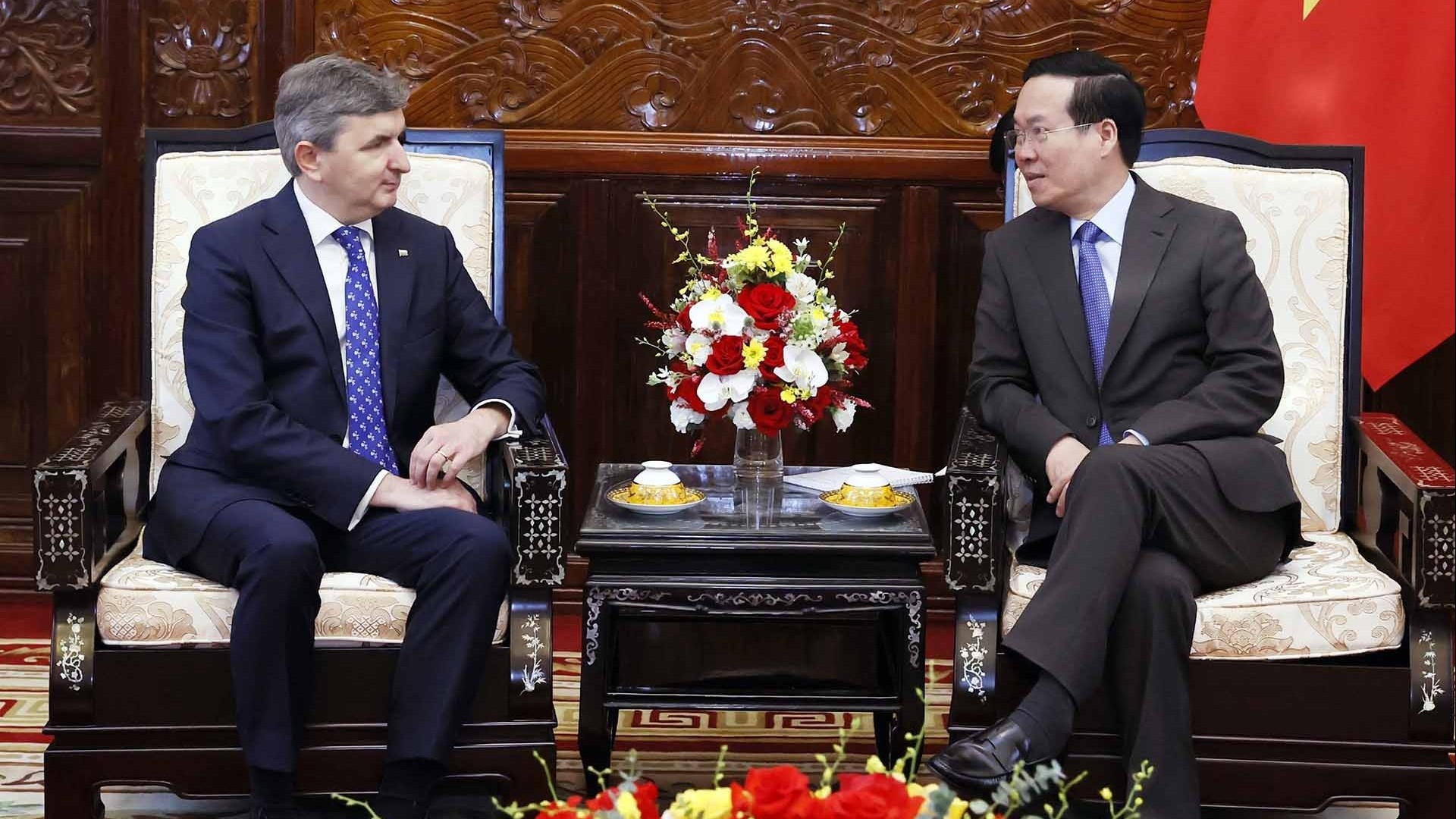
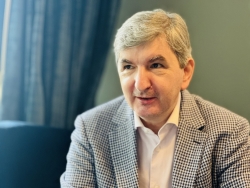
| Vietnamese Ambassador to Poland and concurrently to Lithuania Ha Hoang Hai. (Photo: Vietnamese Embassy in Poland) |
In the context of the EVFTA creating new momentum for Vietnam-EU economic cooperation, how can Lithuania play a role in helping Vietnamese goods and businesses penetrate deeper into the Nordic and Baltic markets?
Lithuania can serve as a logistics, distribution, standards, and digital services gateway, helping Vietnamese businesses access not only the three Baltic countries but also the Nordic and Central-Eastern European markets.
Firstly, Lithuania has a geographical advantage, located on the EU's North Sea-Baltic Corridor, connecting the Baltic region with Poland, Germany, and the Nordic countries, with Klaipeda Port capable of handling large volumes of goods. Therefore, the Memorandum of Understanding between Hai Phong Port and Klaipeda Port is very practical. Both sides can explore building a pilot transport route, consolidation center, bonded warehouse, or distribution facility for Vietnamese goods in Lithuania. From here, goods can be transported by road, rail, and sea to Latvia, Estonia, Finland, Sweden, Poland, and other EU countries.
Secondly, Lithuania can become a test market and support centre for EU standards compliance for Vietnamese businesses. Lithuania's market size is not too large, but this is an advantage for businesses wanting to test products, adjust designs, packaging, traceability, environmental standards, and distribution systems before expanding to the entire Nordic-Baltic region. Lithuanian businesses familiar with EU regulations can collaborate with Vietnamese businesses in legal consulting, certification, logistics, e-commerce, insurance, and cross-border payments.
Thirdly, Lithuania can help connect Vietnamese businesses with retail chains, importers, and business networks in the Nordic-Baltic region. This is particularly suitable for Vietnamese products with strengths such as electronics, textiles, footwear, furniture, processed foods, coffee, cashew nuts, and sustainably certified agricultural products.
Fourthly, as the rotating EU President in the first half of 2027, Lithuania can promote the full implementation of the EVFTA and lobby the remaining member states to ratify the EU-Vietnam Investment Protection Agreement (EVIPA), while contributing to maintaining an open, transparent, and rules-based trade environment. Vietnam-EU trade continues to grow after the EVFTA took effect, but businesses still need more support to address non-tariff barriers, sustainable development regulations, traceability, and green transition.
 |
| According to Ambassador Ha Hoang Hai, Vietnam can be a bridge for Lithuania to expand cooperation and penetrate the ASEAN market, while Lithuania can support Vietnamese businesses in deeper access to the Baltic, Nordic, and EU markets. (Photo: Thanh Long) |
Lithuania is considered one of Europe's leading innovative economies, especially in fintech, cybersecurity, and digital transformation. What experiences can Vietnam learn from Lithuania, Ambassador?
The Government and people of Lithuania are always proud to be the largest fintech hub in the European Union by the number of licensed companies, with nearly 250 fintech companies serving over 40 million customers worldwide.
In addition, Lithuania is a global powerhouse in the laser industry, producing more than 50% of the world's ultra-short pulse lasers. Thus, we can see that Lithuania is a small-scale country but focuses its resources on fields with international competitiveness. This is a model worth studying and referencing for Vietnam:
The first experience is to correctly identify key sectors, avoiding resource dispersion. Lithuania does not attempt to develop all technology sectors evenly but builds a relatively complete ecosystem around sectors with scientific foundations, human resources, and access to the EU market.
For Vietnam, this experience shows the need to select a few priority areas such as fintech, digital payments, artificial intelligence, cybersecurity, semiconductors, biotechnology, and green technology, while linking research with the needs of businesses and the international market.
The second experience is combining innovation encouragement with risk management. Lithuania has developed its fintech ecosystem through mechanisms supporting new market entrants, controlled testing environments, payment infrastructure, and open banking initiatives.
As a result, Lithuania now has hundreds of fintech companies serving tens of millions of customers in the EU. However, openness always comes with increased supervision on anti-money laundering, consumer protection, and system safety. This experience shows that Vietnam can continue to improve controlled testing mechanisms; regulators must simultaneously build standards for data, electronic identification, platform interoperability, payment security, and user rights protection.
The third experience is that the state must play the role of the first customer and market creator for new technology. Lithuania's model allows public agencies to announce issues that need solving, then invite technology companies and research groups to propose and test solutions.
This approach helps the public sector innovate faster while providing opportunities for startups to have customers and refine products. Vietnam can apply a similar model through technology procurement programs for specific issues such as traffic management, public service delivery, healthcare, education, disaster prevention, traceability, and cybersecurity.
The fourth experience is building cybersecurity from the design stage. EU reports assess Lithuania as having a relatively strong institutional framework and operational capacity for cybersecurity, achieving positive results in online public services, digital healthcare, and data interoperability. The lesson here is that digital transformation must go hand in hand with data classification, critical infrastructure protection, incident response capacity building, cybersecurity workforce training, and enhanced coordination between the state, businesses, and universities. All critical digital systems must be built on the principle of "security by design", rather than adding security measures after the system is operational.
Finally, the most important experience of Lithuania is the ability to connect policy, science, business, and the international market. This is also an area where the two countries can directly cooperate through expert exchanges; management staff training; links between the National Innovation Center of Vietnam and the Lithuanian Innovation Agency; cooperation between central banks, cybersecurity agencies, universities, and technology companies of both countries.
With all these strengths, capabilities, and potentials, I am deeply confident that Vietnam and Lithuania have the conditions to transition from a traditional friendship to a modern partnership in innovation, connectivity, and sustainable development. Vietnam can be a bridge for Lithuania to expand cooperation and penetrate the ASEAN market, while Lithuania can support Vietnamese businesses in deeper access to the Baltic, Nordic, and EU markets. This is a direction of cooperation that aligns with the long-term interests of both countries.
Thank you very much, Ambassador!
| Vietnam is an important partner in strengthening rules-based order: Lithuanian Ambassador WVR - On the occasion of the official visit of the Minister of Foreign Affairs of Lithuania Gabrielius Landsbergis to Vietnam, Lithuanian Ambassador Darius Gaidys ... |
| Vietnam, Thailand and Lithuania: Visits to explore cooperation potential WVR - Taking place on the same October 25-26, at the invitation of Foreign Minister Bui Thanh Son, official visits to Vietnam by Deputy Prime ... |
| 'Vietnam’s appeal’ and the Lithuanian President’s first visit: Ambassador of Lithuania WVR - On the occasion of the official visit to Vietnam by the President of Lithuania Gitanas Nauseda (June 11–12), Lithuanian Ambassador to Vietnam Darius ... |
| General Secretary To Lam welcomes President Gitanas Nauseda to promote Vietnam–Lithuania cooperation WVR/VNA - On June 12, General Secretary of the Communist Party of Vietnam To Lam hosted a reception in Hanoi for Lithuanian President Gitanas Nauseda, ... |
| Lithuanian President Gitanas Nausėda concludes official visit to Vietnam WVR/VNA - On June 12 evening, Lithuanian President Gitanas Nausėda and his spouse Diana Nausediene, along with a high-ranking delegation of Lithuania, departed Hanoi concluding ... |