




 |
| UN Women Representative in Vietnam Caroline Nyamayemombe. (Photo: Thu Trang) |
On the sidelines of the conference to launch Vietnam's National Report on 30 years of implementation of the Beijing Declaration and Platform for Action on October 31 in Hanoi, UN Women Representative in Vietnam Caroline Nyamayemombe shared her thoughts on Vietnam's efforts in promoting gender equality and empowering women.
From UN Women's perspective, how has the role of women evolved in Vietnam over these three decades?
Over the past thirty years, Vietnam has made remarkable progress in advancing gender equality and women's empowerment. The country has built a strong legal and policy framework that embeds gender equality across laws, socio-economic development plans, and budgeting processes.
Women's representation in leadership has steadily increased — today, women hold more than 30 percent of seats in the National Assembly, one of the highest rates in the Asia-Pacific region. Access to education and health care has expanded, and women's participation in the labour force remains high, including in emerging sectors such as technology and entrepreneurship.
At the same time, social attitudes have evolved. Women are increasingly recognized not only as contributors to families and communities but also as drivers of innovation, economic growth, and sustainable development.
However, persistent challenges remain — gender stereotypes, the unequal share of unpaid care work, and violence against women, including in digital spaces. Yet Viet Nam's continued political leadership and commitment give us confidence that progress will continue toward full equality.
Which lessons from Vietnam's experience could serve as good practices for other countries in the region when implementing the Beijing Declaration and Platform for action?
Vietnam offers several valuable lessons that can inspire other countries.
First is strong political will and national ownership. Gender equality has been consistently treated as both a goal and a driver of development. The National Strategy on Gender Equality (2021–2030) provides clear targets and accountability mechanisms that guide coordinated action across sectors.
Second, integrating gender into laws, policies, and budgets has proven effective. Viet Nam's approach to gender-responsive planning and budgeting ensures that equality is not a stand-alone agenda but a shared responsibility of all ministries.
Third, multi-stakeholder partnerships have been key — engaging government, civil society, academia, youth, and the private sector. This collective approach turns commitments into measurable results.
Finally, linking gender equality with emerging priorities such as climate action, digital transformation, and the care economy reflects Vietnam's forward-looking vision and could serve as a model for inclusive and sustainable development across the region.
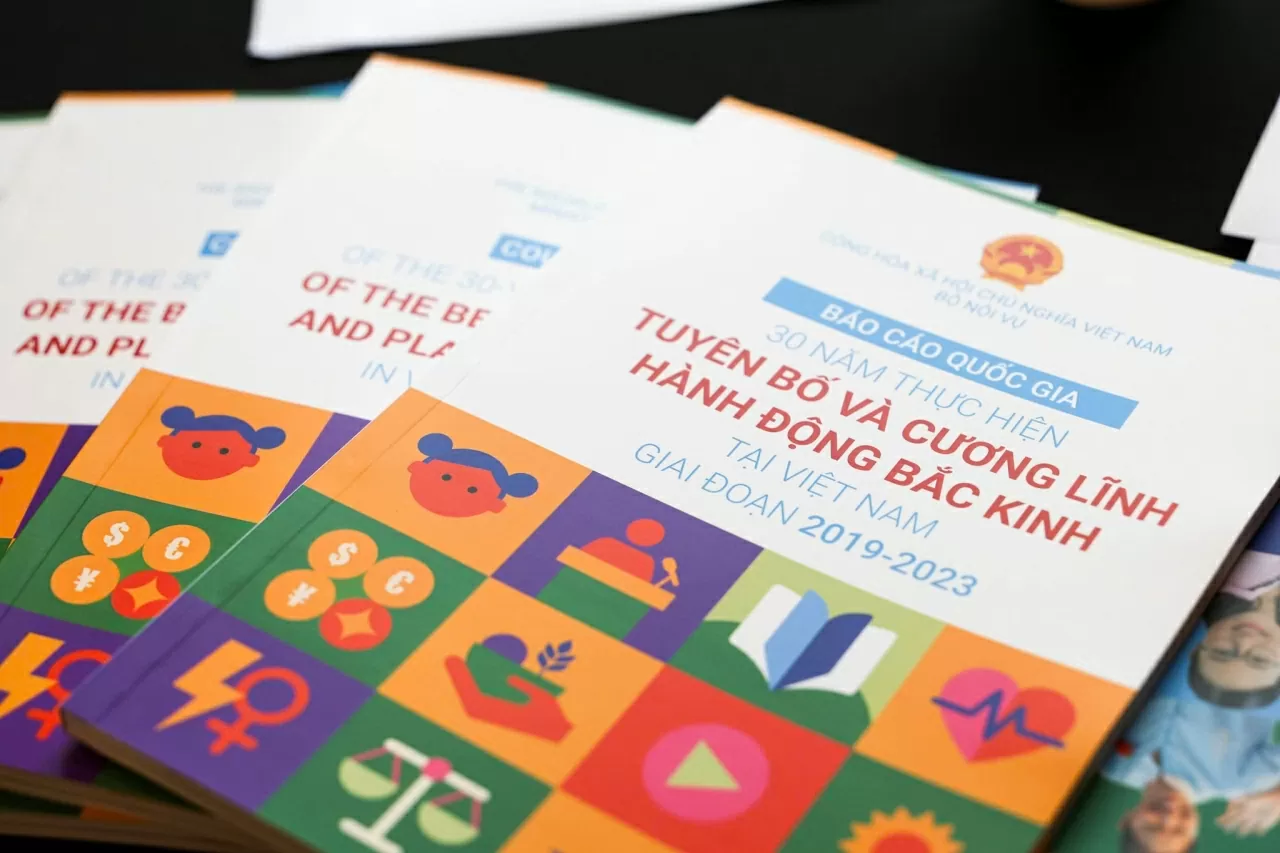 |
| Vietnam's National Report on 30 years of implementation of the Beijing Declaration and Platform for action. (Source: UN Women) |
How can UN Women support countries like Vietnam in narrowing the digital and technology gap that many women still face?
Digital inclusion is one of UN Women's global priorities. In Vietnam, we work with government ministries, the private sector, and civil society to ensure that women and girls can fully participate in the digital economy.
Our support focuses on three areas: Policy advice and advocacy to integrate gender perspectives into digital transformation strategies and STEM education; Capacity building and digital literacy programmes that equip women — especially in rural and disadvantaged areas — with the skills and confidence to access digital tools safely and productively; and Addressing online gender-based violence by promoting safe digital spaces and supporting prevention and response mechanisms.
By ensuring women's equal access to digital resources and opportunities, we not only close the technology gap but also unlock innovation and productivity that benefit the entire society.
What will be UN Women's key priorities in Vietnam in the coming years?
UN Women's work in Vietnam will continue to align with the country's National Strategy on Gender Equality (2021–2030) and the Sustainable Development Goals.
Our key priorities include:
First, supporting legal and policy reforms, including the revision of the Gender Equality Law, to address emerging issues such as digitalization, climate change, and the care economy.
Second, expanding financing for gender equality by promoting gender-responsive budgeting and mobilizing private-sector and impact investment for women's empowerment.
Third, harnessing digital and green transitions to create more opportunities for women in STEM, entrepreneurship, and climate-resilient livelihoods.
Fourth, recognizing and investing in the care economy to redistribute unpaid care work and create quality jobs in care services.
Fifth, ending all forms of violence against women and girls, including online abuse, through coordinated prevention and survivor-centred services.
Across all areas, we will strengthen data systems, partnerships, and accountability to ensure that progress is measurable and that every woman and girl in Vietnam can benefit from the nation's development.
Thank you very much!
| "Over the past thirty years, Vietnam has made remarkable progress in advancing gender equality and women's empowerment. The country has built a strong legal and policy framework that embeds gender equality across laws, socio-economic development plans, and budgeting processes." (UN Women Representative in Vietnam Caroline Nyamayemombe) |
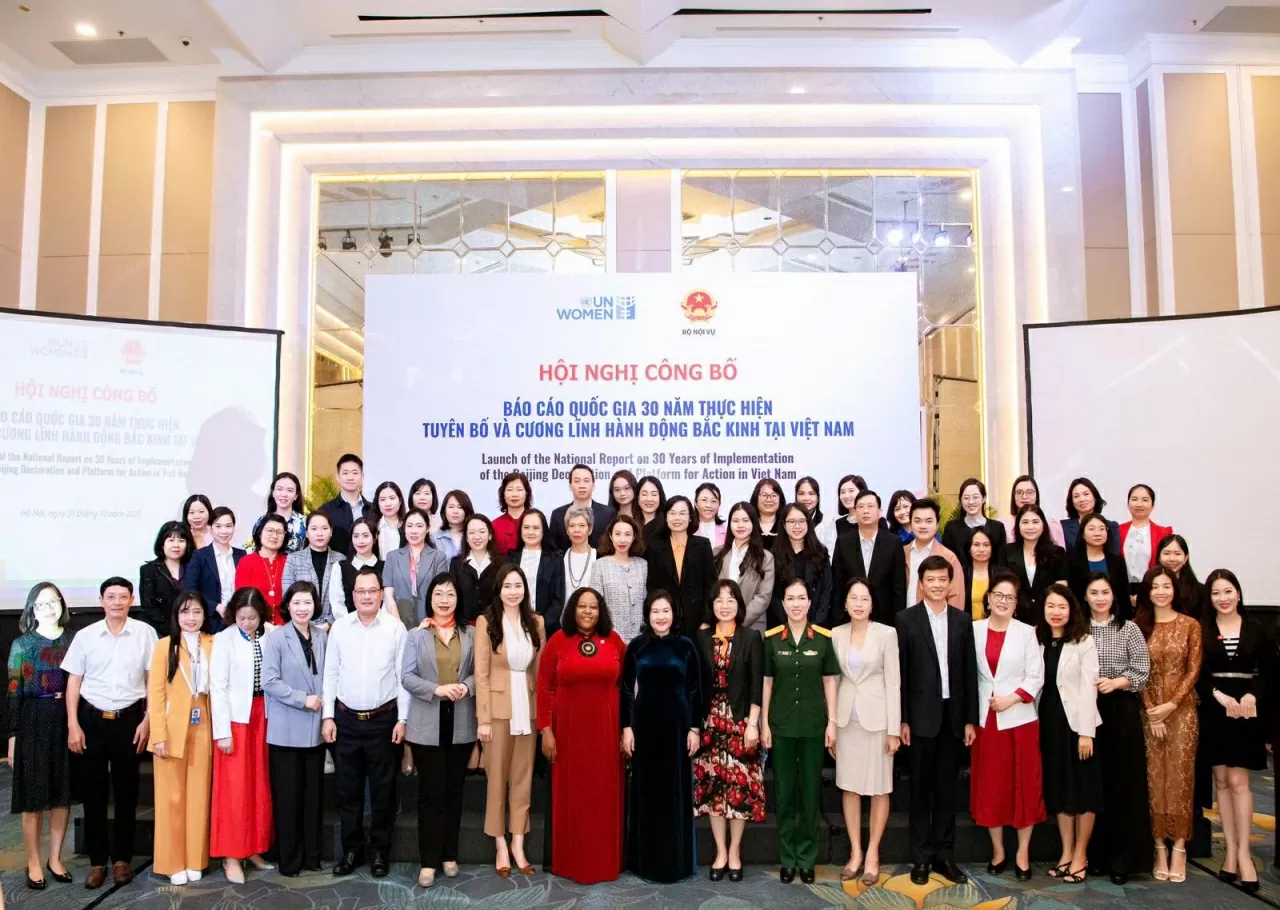 |
| Delegates attending the conference. (Source: UN Women) |