




Optimism over Vietnam's strong progres ahead of the 14th National Congress of the Communist Party of Vietnam
WVR - I am confident that the 14th Congress of the Communist Party of Vietnam, with the wisdom of previous congresses, will evaluate the past journey, analyze the current volatile global political landscape, draw correct conclusions, and thus determine medium and long-term goals and tasks, as well as select the most suitable leaders to achieve these objectives.
Latest
Unforgettable years
I was once a young officer in the first group of the Hungarian forces under the International Commission of Control and Supervision (ICCS) from 1973-1975 in Southern Vietnam.
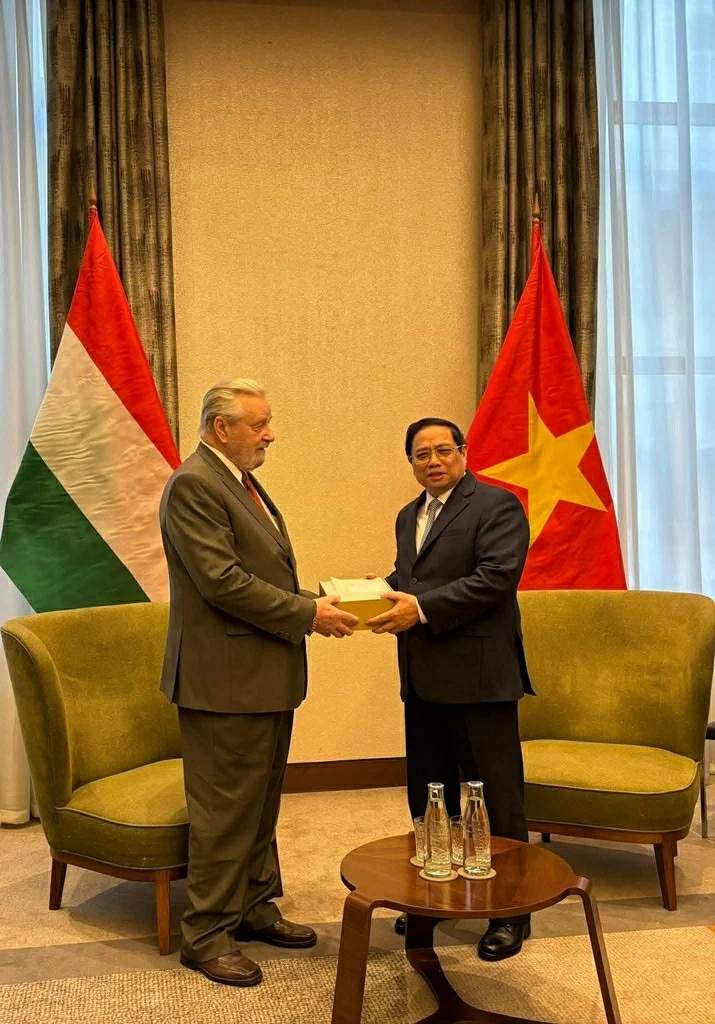 |
| Dr. Botz László meets Prime Minister Phạm Minh Chính during a working trip to Budapest with the Hungary-Vietnam Friendship Association on January 19, 2024. (Photo:Courtesy by author) |
On January 27, 1973, I arrived in Saigon. During the first three months of my term, I worked at the Headquarters of Region 3 located in Pleiku in the Central Highlands.
From May to October, I worked at the General Staff in Saigon. Due to the nature of my work, I traveled extensively throughout Southern Vietnam and witnessed firsthand the devastating destruction of war.
I saw cities and villages flattened by bombs; witnessed the extremely difficult lives of Vietnamese people in Saigon, and even more so in rural areas, in villages burned down, where even the most basic living conditions were hard to ensure.
At the same time, I deeply felt the strong will to live, the burning desire for freedom, and the extraordinary readiness to act of the Vietnamese people, which left an indelible mark on my heart.
More than half a century has passed since then. During that time, I have traveled to many places around the world, worked for many years in Western Europe and the United States, gaining an understanding of the so-called "developed world". Concurrently, since 2009, I have been fortunate to visit Vietnam many times; the most recent trip was less than a year ago.
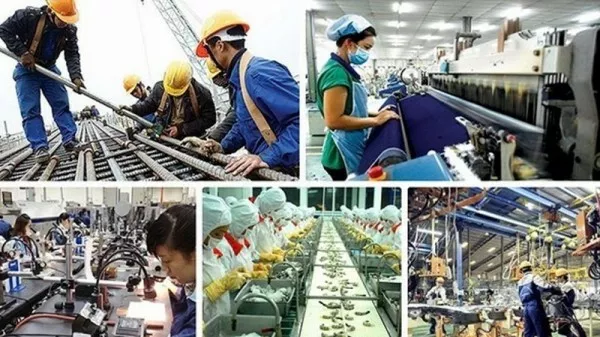
Vietnam's socio-economic development truly overwhelms me. The path the country has taken in recent years is arguably unprecedented. A comprehensive renewal and modernization of infrastructure is underway. This is evident not only in urban planning or transportation but in every aspect of life.
What I particularly value is the balanced development policy consistently implemented by generations of leaders. Not only are urban areas, key tourist zones, or main traffic routes being rapidly invested in, but rural areas have also made significant progress. Clear achievements in education and healthcare are felt throughout the country.
All these have fundamentally changed and improved the living standards of the people, contributing to a population boom, with Vietnam's population now exceeding 100 million. This could not have happened if the people did not feel social stability, security, a solid improvement in living standards, and confidence in a sustainable future.
It can be affirmed that not only I but all members of the Hungary-Vietnam Friendship Association hold deep admiration for the achievements Vietnam has attained. I extend my most sincere congratulations to the country and people of Vietnam from the bottom of my heart.
The most suitable path for the country
In my view, over the past 50 years, the leadership of the Socialist Republic of Vietnam has consistently found the most suitable path for the country.
The steadfast implementation of development orientations set by the Communist Party of Vietnam has led to today's miraculous development, elevating the country's international standing while preserving and strengthening the independence that President Ho Chi Minh always dreamed of.
I am confident that the 14th National Congress of the Communist Party of Vietnam, with the wisdom of previous congresses, will evaluate the past journey, analyze the current volatile global political landscape, draw correct conclusions, and thus determine medium and long-term goals and tasks, as well as select the most suitable leaders to achieve these objectives.
In the context of the current uncertain international relations, predicting Vietnam's future development is not easy. However, looking back at the rapid development over the past 50 years, I am extremely optimistic and expect Vietnam to continue making strong socio-economic progress.
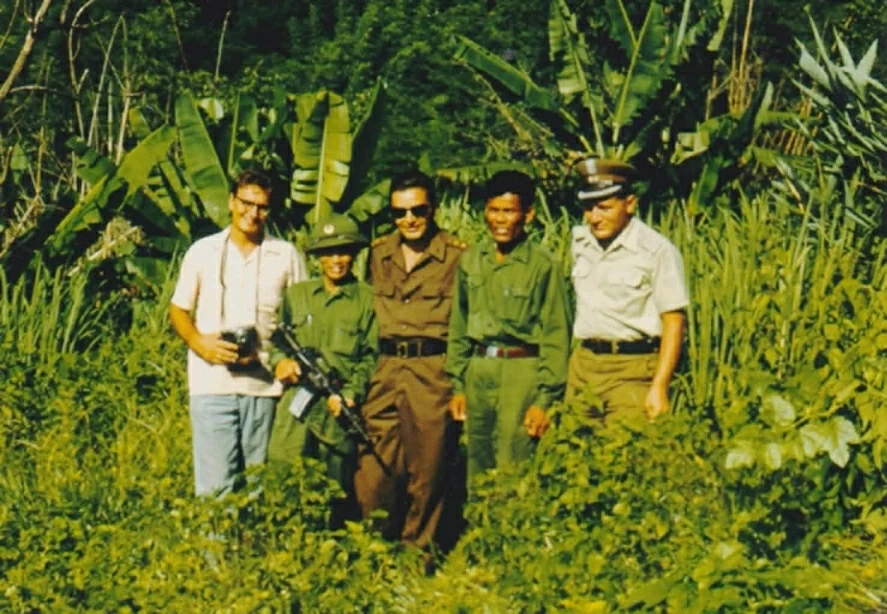 |
| The author (center) with ICCS staff from the Polish delegation and Liberation Front military personnel in Bến Hét, Kon Tum in 1973. (Photo Courtesy by author) |
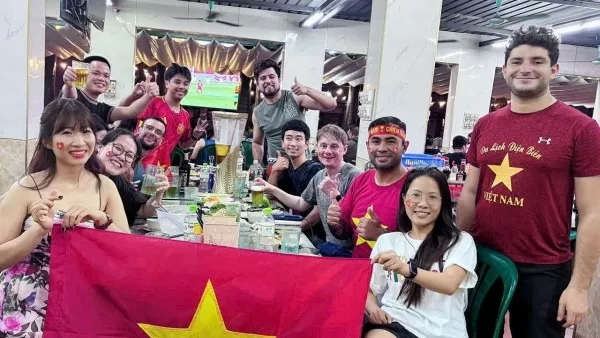
Vietnam possesses enormous economic potential in tourism. This sector is thriving worldwide and contributes significantly to the national budget. Vietnam is on the right track, and I believe that in the future, the development of tourism infrastructure will continue to be prioritized.
Investment in education and research-development is extremely important. In terms of knowledge and scientific-technical capacity, Vietnam has enormous resources; this field certainly needs to continue being a top priority.
More efforts are needed to limit environmental pollution. Positive efforts have emerged, but it is essential to be persistent and consistent in implementation. This includes ensuring safe drinking water and addressing wastewater treatment issues.
One of the most urgent issues today is climate change and its increasingly severe impacts on Vietnam, such as tropical storms and rising sea levels. To prevent damage from these, priority measures need to be taken in the short term.
I firmly believe that Vietnam will continue to be among the fastest-developing countries in the world in the future.
Prospects for Vietnam-Hungary cooperation
Regarding the prospects for relations and cooperation between Vietnam and Hungary, we can rely on the friendship foundation built since the 1950s. In the current context, the Comprehensive Strategic Partnership Agreement signed in 2018 is a crucial starting point.
At the meetings of the Joint Economic Committee, the areas of mutual interest are always clearly identified, creating a promising framework for the dynamic development of bilateral relations. This is evidenced by specific results in annual trade turnover.
However, the geographical distance and relatively similar economic structures of the two countries somewhat slow down trade growth (both wish to attract investment and capital).
Nevertheless, there are many promising areas of cooperation: Hungary possesses excellent technologies that can be effectively applied in Vietnam to address issues related to clean water and wastewater treatment; Cooperation in healthcare, pharmaceutical research, and development is also rich in potential.
Particularly noteworthy is Hungary's scholarship policy in recent years, which prioritizes and strongly supports Vietnamese students pursuing undergraduate and postgraduate studies in Hungary (Hungary receives about 200 Vietnamese students annually).
I see great opportunities in scientific-technological cooperation and research; I expect rapid and effective progress, bringing benefits to both nations.
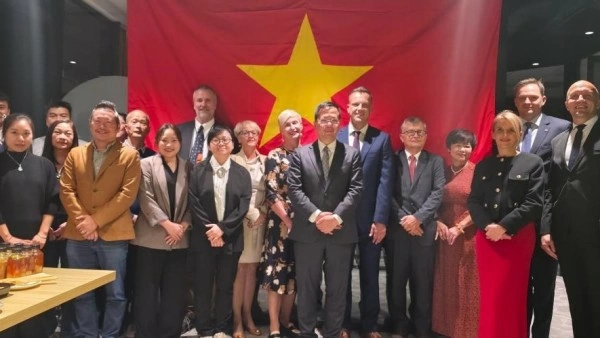
I want to emphasize the role of the Vietnamese community living in Hungary in the relations between the two countries. This is a significant community, playing a very active role in the neighbourhoods where they reside.
They have built trust with the Hungarian people; their willingness to help, ability to integrate, and diligent work ethic are highly appreciated by Hungarian society. I am confident that this community will grow stronger and become a driving force in strengthening the relationship between the two countries.
The Hungary-Vietnam Friendship Association, where I have been a member since 1975 and have served as Chairman since 2007, will continue to make every effort to promote the development of relations between the two nations and peoples.
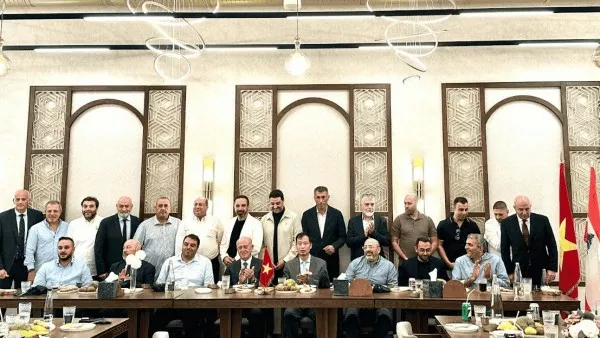
We maintain very close relations with the Vietnamese Embassy in Hungary, the Vietnamese Association in Hungary, and the Vietnam-Hungary Friendship Association in Vietnam, working together to build and develop these friendly relations.
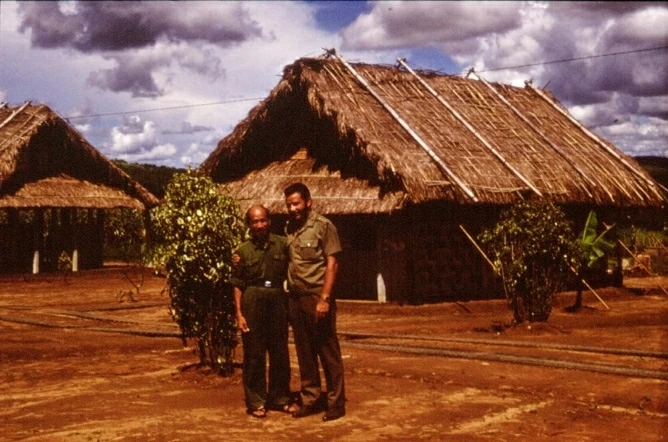 |
| The author with a doctor from the Liberation Front at the ICCS camp in Ben Het, Kon Tum in 1973. (Photo Courtesy by author) |
| Dr. Botz László is a senior Hungarian military officer, holding the rank of General, who has held key positions in the Hungarian Army such as Director of Military Intelligence. He is currently the Chairman of the Hungary-Vietnam Friendship Association and plays a prominent role in connecting the peoples of the two countries. At the time of the signing of the Paris Agreement in 1973, he was present in Saigon as a member of the Hungarian Delegation in the International Commission of Control and Supervision (ICCS), an international body tasked with monitoring, inspecting, and preventing violations of the ceasefire agreement; as well as collecting data and reporting on the actual situation in Southern Vietnam. According to Dr. Botz László, the deep impression when he first arrived in Hanoi, witnessing the aftermath of the US B-52 bombings, was not the war remnants, but the smiles and faith in peace of the Vietnamese people. He holds this emotion in his heart, becoming a loyal friend and a solid bridge between the peoples of the two countries. As Chairman of the Hungary-Vietnam Friendship Association since 2007, Dr. Botz László has contributed to spreading the image of Vietnam in Hungary and strengthening bilateral cooperation by organizing and participating in various forums, cultural, educational, diplomatic exchanges, and supporting the Vietnamese community in Hungary. As a researcher and military scholar, he has many writings, historical documents, and valuable records about Southern Vietnam during the post-Paris Agreement period (1973-1975). In early 2025, he was awarded the Friendship Order by the State of Vietnam, a prestigious honour for foreigners who have made special contributions to Vietnam's relations with other countries. |