



General Secretary, President To Lam's state visit to the Philippines: A historic visit with long-term vision
WVR - On the occasion of General Secretary, President To Lam and his spouse's upcoming state visit to the Philippines, Philippine Ambassador to Vietnam Francisco Noel R. Fernandez III shared with The World &Vietnam Report his expectations for the visit, which holds historical significance for the bilateral relations between the two countries.
Latest
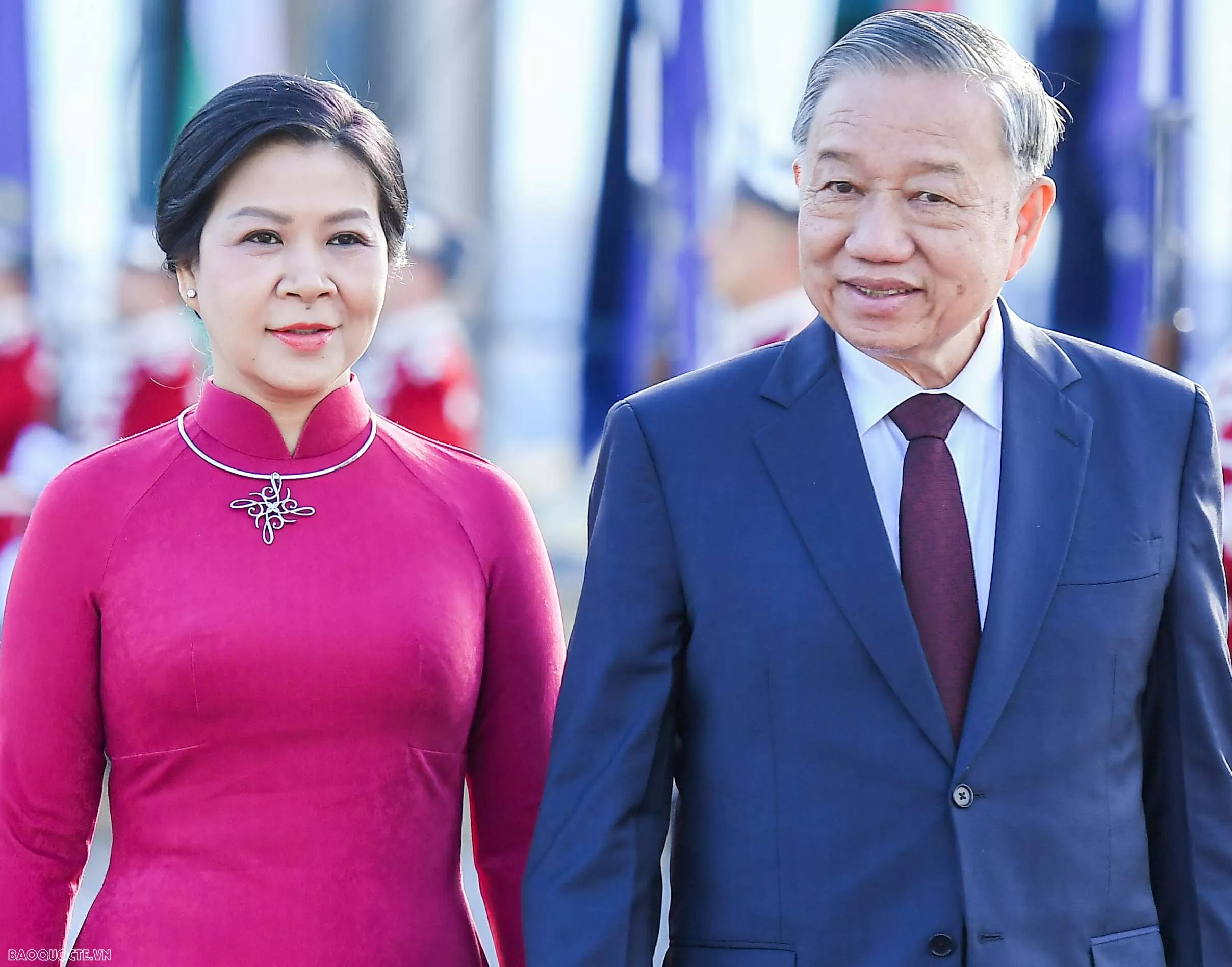 |
| General Secretary To Lam and his spouse are set to make a state visit to the Philippines. (Photo: Nguyen Hong) |
Could the Ambassador share the significance of the upcoming state visit by General Secretary, President To Lam and his spouse to the Philippines, as well as the expectations for this visit?
General Secretary, President To Lam will be in Manila from May 31 to June 1. This is a state visit of historical significance as it marks the first time a General Secretary of the Communist Party of Vietnam visits the Philippines. This means it will be the first official meeting between the highest leaders of the two countries.
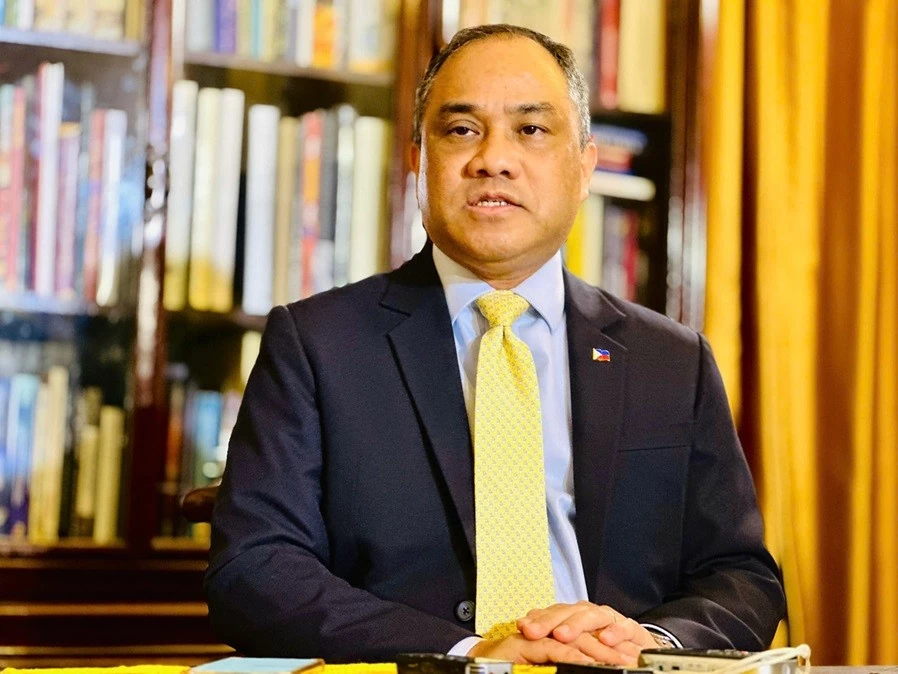 |
| Philippine Ambassador to Vietnam Francisco Noel R. Fernandez III. (Photo: Anh Duc) |
The visit is particularly meaningful as it coincides with the 50th anniversary of the establishment of diplomatic relations between the two countries. It is an opportunity for both sides to reflect on the cooperation over the past five decades and, more importantly, to set the direction and consensus for the future of bilateral relations for the next 50 years or beyond.
The upcoming state visit is expected to comprehensively cover all areas of bilateral cooperation, from trade, culture, and security to collaboration within ASEAN and at multilateral forums, including the United Nations. On this occasion, both sides have the opportunity to comprehensively evaluate bilateral relations and discuss development directions for the future.
Therefore, the visit holds immense significance as the two countries will jointly outline a vision for Philippines-Vietnam relations for the next 50 years and beyond.
Could the Ambassador highlight the most notable milestones in the relations between the two countries over the past five decades?
Over the past 50 years, the relationship between the Philippines and Vietnam has developed strongly across various fields. One of the most notable aspects is the increasingly vibrant people-to-people exchanges. Approximately 430,000 Filipino tourists have visited Vietnam, while about 33,500 Vietnamese tourists have traveled to the Philippines. This increase is largely due to the establishment of direct flights between the two countries in recent years.
About 10-15 years ago, people had to transit through a third country to travel between the two nations, but now there are direct flights between several cities in the Philippines and Hanoi, Ho Chi Minh City, and Da Nang. The Philippines is also encouraging Vietnamese airlines to open new routes to further promote people-to-people exchanges.
In the field of education, more and more Filipino students are coming to Vietnam to pursue undergraduate, postgraduate, and doctoral programs — something that was almost unheard of before. This is the result of cooperative efforts between higher education institutions in both countries to develop training programs for each other's students. At the same time, many Vietnamese students are also going to the Philippines to participate in internships and complete parts of their studies there.
Regarding security cooperation, the exchange visit between the Philippine Coast Guard and the Vietnam Coast Guard last year is a testament to the desire to expand security cooperation between the two governments. This year, officers from the Vietnamese Ministry of Defense are expected to attend English training courses in the Philippines, while Vietnam will also organize Vietnamese language courses for Filipino military personnel.
Both sides are striving to expand cooperation not only in education but also in military sports. Vietnam is set to host a competition among ASEAN military forces, thereby contributing to increased exchanges between the armed forces in the region.
In the economic field, I assess that bilateral trade relations are growing very strongly. Many large Philippine corporations have invested in Vietnam in areas such as food, renewable energy, infrastructure development, and clean water distribution. Additionally, Vietnam is currently interested in the experience of Philippine companies in operating international ports. Some Philippine companies have extensive experience managing international seaports outside the Philippines and are being invited by Vietnam to collaborate in joint ventures to develop international port systems in Vietnam.
In the cultural field, during General Secretary, President To Lam's visit, the Filipino public will, for the first time, experience Vietnam's water puppetry art. According to the plan, the Vietnamese art troupe will perform at Intramuros in Manila — a famous historical site with strong Spanish colonial influences. This is a very suitable venue as it holds historical significance and aligns with the long-standing traditional values of Vietnamese water puppetry.
This visit will be an opportunity for the two countries to review and comprehensively assess bilateral relations as well as determine future cooperation directions. I want to emphasize that the foundation of Philippines-Vietnam relations is currently very solid, and the two countries are ready to enter a new phase of development.
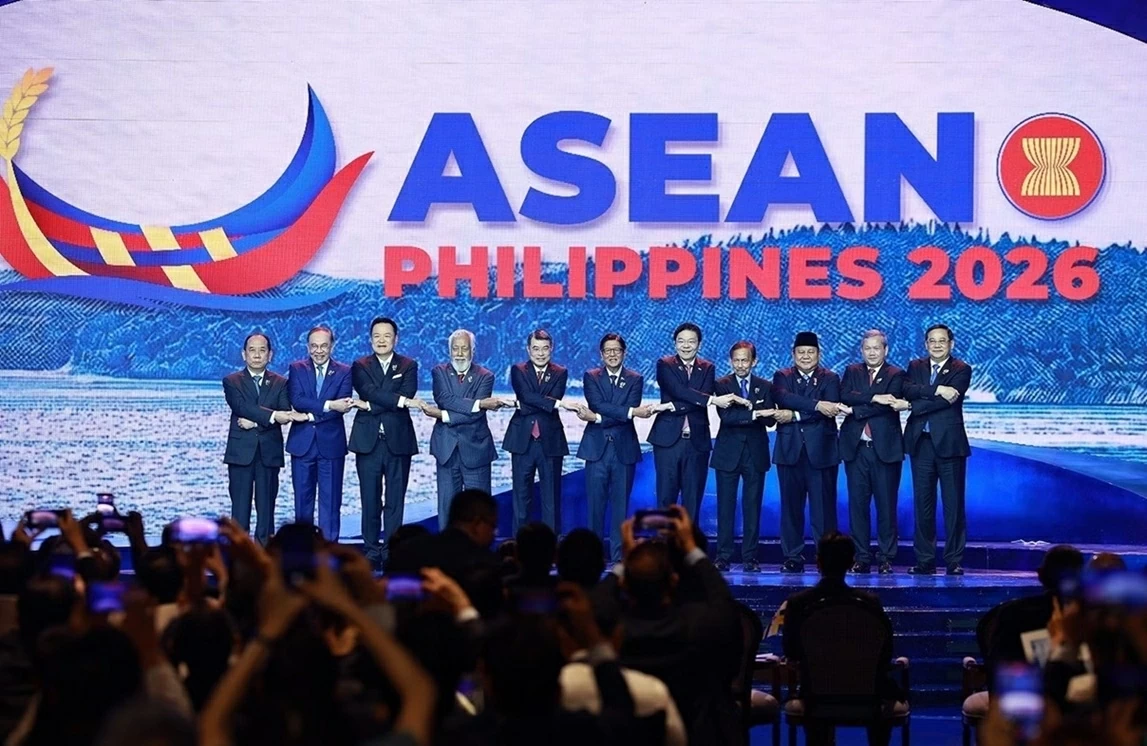 |
| Prime Minister Le Minh Hung with ASEAN delegation heads attending the opening session of the 48th ASEAN Summit in Cebu, Philippines. (Source: VNA) |
Ambassador, what is the significance of the coordination between the Philippines and Vietnam within ASEAN in the current regional context?
The Philippines and Vietnam are both dynamic middle-power countries playing an active role in ASEAN. A unique aspect of the relationship between the two countries is that their interests and strengths complement each other rather than compete or conflict.
At the ASEAN Summit in Cebu, Vietnamese Prime Minister Le Minh Hung shared Vietnam's development and economic growth experiences. Vietnam is currently one of the leading ASEAN countries in terms of economic growth rate, contributing significantly to discussions among ASEAN leaders.
On the Philippine side, we have strengths in the maritime sector. Therefore, at the Cebu summit, the Philippines proposed the establishment of an ASEAN maritime center, and this initiative received consensus from the leaders. Paying more attention to the seas connecting ASEAN countries will help the region more effectively exploit shared resources.
Both the Philippines and Vietnam are particularly interested in promoting and maintaining the development of a blue maritime economy. For example, Ha Long Bay serves as a model of a blue maritime economy, not only related to aquaculture but also linked to tourism development based on marine resources.
The interests of the Philippines as a maritime nation and Vietnam's maritime economic development orientation have many similarities, creating significant cooperation potential between the two countries. Both sides can enhance cooperation, share experiences, and support each other in areas related to the maritime economy, maritime affairs, and sustainable development within ASEAN.
Economic relations between the Philippines and Vietnam are developing positively. What opportunities does the Ambassador see for further promoting trade and investment between the two countries?
A Vietnamese business delegation will accompany General Secretary, President To Lam on his visit to the Philippines. On this occasion, a bilateral business forum will be co-organized by the Philippine Department of Trade and Industry and its Vietnamese counterpart to create opportunities for the business communities of both countries to meet, exchange, and explore new areas of cooperation.
Many large Philippine corporations have made significant investments in Vietnam in recent times. For example, the fast-food chain Jollibee Foods Corporation currently has 233 outlets across Vietnam and plans to expand to 300 outlets by the end of this year. Jollibee is currently one of the leading fast-food brands in Vietnam, particularly successful due to its strategy of developing from local areas before expanding strongly into major cities like Hanoi and Ho Chi Minh City. In Hanoi, Jollibee initially operated mainly in shopping centers but has now appeared as standalone stores, indicating that the brand is getting closer to urban residential areas.
Conversely, I highly appreciate Vingroup's recent introduction of electric vehicles to the Philippine market. This is a timely move as the Philippines faces challenges related to the global energy supply. Vingroup's presence will help Filipino consumers access green transportation options and simultaneously demonstrate the long-term commitment of Vietnamese businesses to the Philippine market.
Many large Philippine corporations are currently very interested in the Vietnamese market, while Vietnamese businesses are also actively seeking Philippine partners due to their expertise and experience in specific fields. An example is a Philippine company currently operating five water treatment plants in Vietnam through joint ventures with Vietnamese partners to serve industrial zones and foreign-invested manufacturing plants.
Additionally, Vietnamese businesses have expressed a desire to collaborate with Philippine companies experienced in operating international ports. If discussions yield positive results, more international ports may emerge in Vietnam operated under joint ventures between businesses from the two countries in the future.
The potential for economic cooperation between Vietnam and the Philippines remains vast, especially in fields involving large corporations. Investments between large-scale enterprises will create a more sustainable and long-term cooperation foundation compared to short-term trade activities, which are easily affected by changes in consumer preferences.
A Philippine company is investing in highway infrastructure in Vietnam. Accordingly, this company has built and operates five highways under a build-operate-transfer model. This is a field where Philippine companies have extensive experience, and it is hoped that more infrastructure projects in Vietnam will be implemented through cooperation between businesses from the two countries in the future.
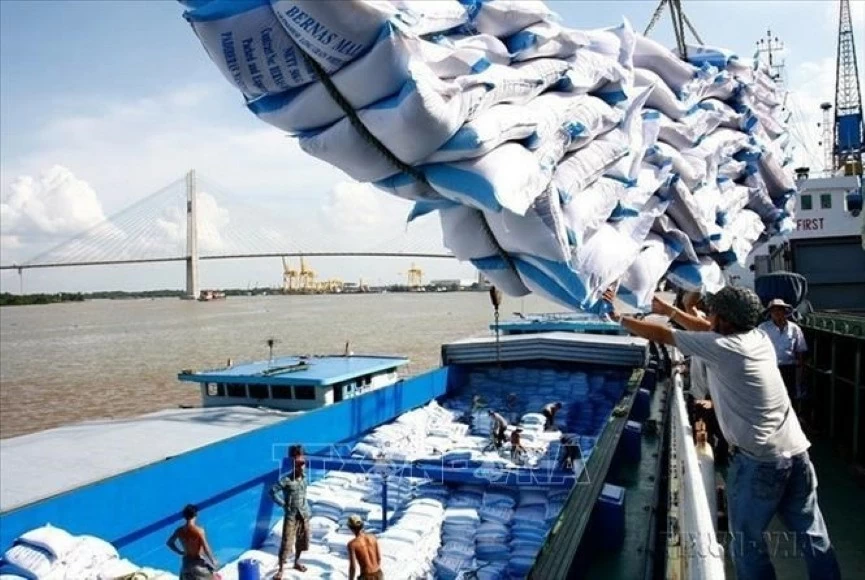 |
| Vietnam and the Philippines have significant potential for economic cooperation in the coming time. (Source: VNA) |
What are the Ambassador's expectations for the direction of Philippines-Vietnam cooperation in the next decade?
The leaders of the two countries are expected to agree on the goal of further promoting bilateral trade in the coming time. Currently, the trade turnover between the Philippines and Vietnam is about 8.3 billion USD, and both sides hope to raise this figure beyond 10 billion USD. The leaders will encourage the business communities of both countries to strengthen cooperation and seek new development areas beyond traditional trade sectors.
Bilateral economic relations are currently not limited to the Philippines importing rice from Vietnam or participating in the supply chain of semiconductor components for assembly products in Vietnam. In the future, the two countries can expand cooperation into more potential areas, especially the blue maritime economy.
The vast sea connecting the two countries offers significant resources, and both Vietnam and the Philippines have the opportunity to jointly exploit, manage, and sustainably develop these resources. Both sides approach the issue from a scientific perspective, with the involvement of marine scientists and marine biology experts to both conserve resources and allow people to benefit from marine resources.
Trade and people-to-people exchanges between the two countries will continue to grow strongly in the next 10 years. The Philippines is encouraging Vietnamese airlines to increase the frequency of flights to Manila and expand to other localities in the Philippines. The number of Filipino tourists to Vietnam and Vietnamese tourists to the Philippines will continue to increase.
Vietnamese people particularly enjoy beach tourism, while the Philippines boasts some of the most beautiful beaches in Asia. Additionally, the cultural similarities between the people of the two countries are favorable factors for promoting exchanges. Vietnamese and Filipino people share many cultural traits as part of the Asian cultural community, to the extent that tourists from both countries are sometimes mistaken for locals by the native population.
I also highly value the role of educational cooperation in building a long-term foundation for bilateral relations. More and more Filipino students are coming to Vietnam to study, and conversely, Vietnamese students are also going to the Philippines for long-term studies. This will help the younger generations of both countries understand and connect more closely with each other.
If Filipino students live and study in Vietnam for many years, they will become "ambassadors" for Philippines-Vietnam relations. Similarly, Vietnamese students studying in the Philippines will also have a deep connection with this country. Investing in the younger generation is the most important foundation to ensure that the relationship between the two countries continues to develop sustainably in the future.
Thank you very much, Ambassador!