

From the excitement of BIGBANG Concerts to new opportunities for Hanoi’s tourism
WVR - The heat of BIGBANG should be seen as an opportunity for Hanoi and the Vietnamese performance market to better recognize potential while identifying the missing conditions for sustainable development.
Latest
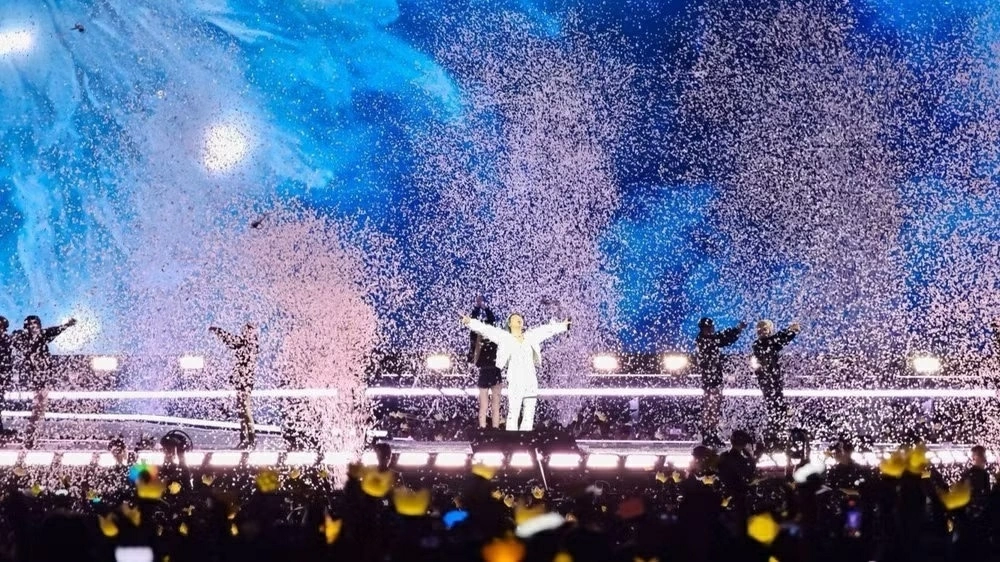 |
| The group BIGBANG created explosive moments at My Dinh Stadium. (Photo: Quynh Phuong) |
Approximately 90,000 attendees over two days at the BIGBANG concert in Hanoi, along with an estimated tourism revenue of about 750 billion VND, demonstrate the allure of international music events for the capital's tourism market. But behind these impressive numbers lies a bigger story: How can a concert not only create a temporary buzz but also open up journeys to explore Hanoi, promote the cultural industry, and build competitiveness for the destination?
When a concert boosts the tourism market
On October 24 and 25, My Dinh National Stadium became the meeting point for tens of thousands of fans as the Republic of Korea's BIGBANG brought their international performance “BIGBANG 2026 - 2027 World Tour in Hanoi – XX: COSMOS” to the capital. The program's appeal was not only evident in the stadium's atmosphere but also spread to accommodation, dining, transportation, and shopping activities.
On October 27, according to information released by the Hanoi Department of Culture, Sports, and Tourism, the program attracted approximately 90,000 domestic and international attendees. During this period, total tourism revenue was estimated at about 750 billion VND. These figures show that a music program can create a ripple effect beyond the stage, becoming a driving force for many of the city's service activities.
Notably, the event's impact was also reflected in tourism demand indicators. According to published data, on October 23 and 24, Hanoi welcomed about 220,000 visitors, an increase of 15.6% compared to the previous week; among them, international visitors reached about 67,900. Flight bookings to Hanoi on the Trip.com platform increased by 74%, while searches for trips to Hanoi on Traveloka quadrupled. Room occupancy at some 3-5 star hotels ranged from 75% to 100%.
For those coming from other localities or abroad, the trip to see BIGBANG might be the main reason for choosing Hanoi. But once they set foot in the city, their needs extend beyond just a concert ticket. It includes a hotel to rest, restaurants for meals, transportation, meeting spots with friends, and experiences before or after the performance.
This is precisely the space for Hanoi tourism to delve deeper into the value chain of cultural and entertainment events. Instead of merely welcoming guests to watch a performance and then leave, the city can develop products that combine music with destination exploration, from heritage experiences, museum visits, street strolls, culinary enjoyment to exploring creative spaces.
A concert might last a few hours, but the audience's trip can easily extend to two or three days if the accompanying experiences are enticing enough. In that case, the event's value lies not only in ticket sales or stadium capacity but also in the length of stay, spending levels, and the impressions visitors take home after their trip.
For Hanoi, with its advantages in heritage, architecture, cuisine, and vibrant cultural life, connecting international music events with tourism products is a direction worth considering. The essential task is to turn inherent advantages into engaging experiences.
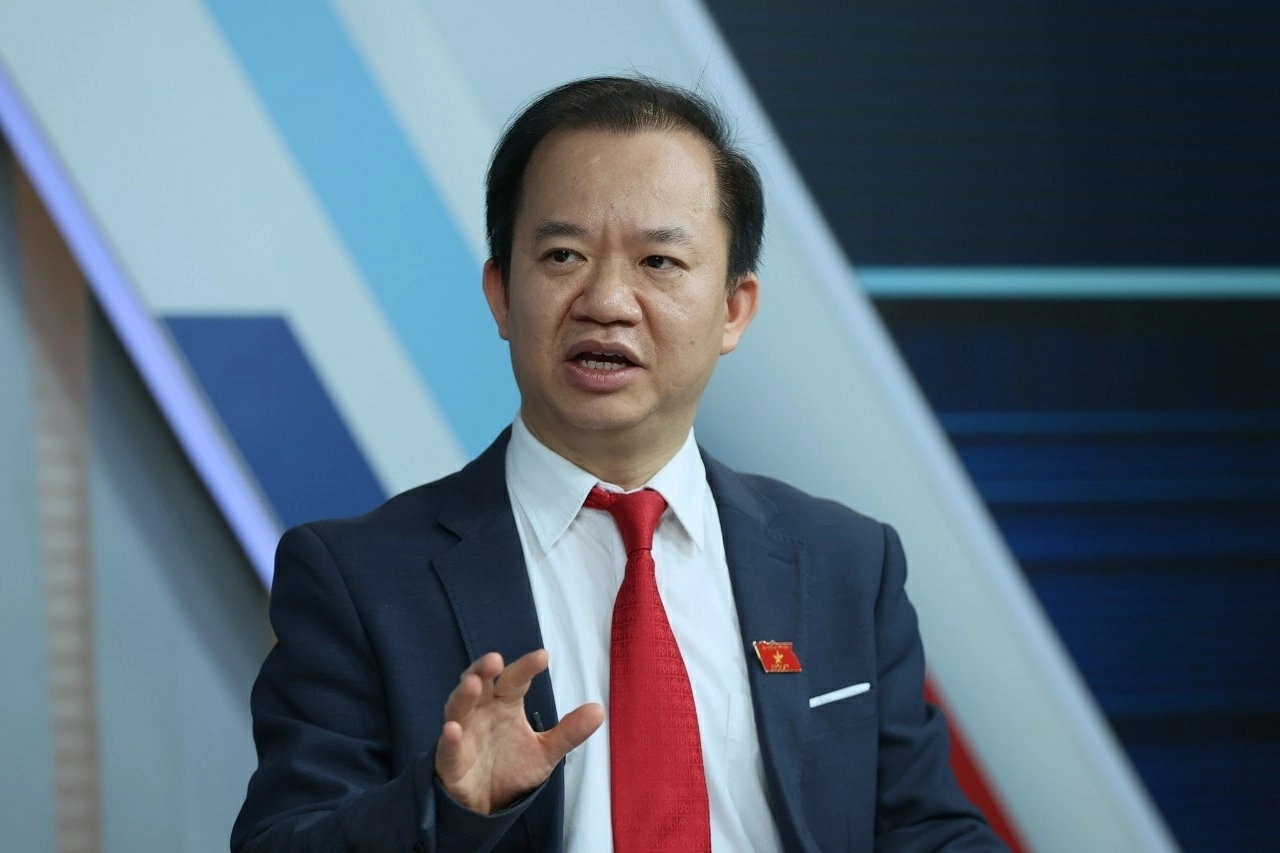 |
| Assoc. Prof. Dr. Bui Hoai Son. |
Opportunities beyond tourism
According to Assoc. Prof. Dr. Bui Hoai Son, Deputy Head of the Party Central Committee's Publicity Commission, the heat from the two BIGBANG concerts in Hanoi offers a noteworthy signal: Vietnam not only has a large music-loving audience but is also gradually forming a market ready to pay for high-quality cultural experiences.
This observation opens a broader perspective on the significance of international concerts. In the context where performing arts is one of the 10 key areas prioritized for development in the cultural industry, large-scale programs not only serve entertainment needs. They also create opportunities for the market to operate, service businesses to engage more deeply, and Vietnam's event organization capabilities to be tested and refined.
However, Assoc. Prof. Dr. Bui Hoai Son emphasises that the heat of a grand concert should not be equated with the maturity of the entire performance industry.
“A well-attended event is a positive sign; however, a sustainable industry requires a stable market, capable businesses, artists and branded products, suitable infrastructure, a transparent copyright system, and the ability to organize regular event series,” said Bui Hoai Son.
The event may attract a large audience, create strong media effects, and generate significant revenue for service industries. However, for these results to become a foundation for long-term development, there needs to be an ecosystem capable of maintaining regular performance activities, rather than relying on a few standout programs.
For Hanoi, this requires connecting performance organizers with tourism, aviation, hotel, transportation, commerce, culinary, and creative enterprises right from the event design stage. When stakeholders participate from the beginning, tourism products can be more cohesively developed, rather than appearing as supplementary services after the program has been set.
For instance, audiences coming to Hanoi for a concert can be introduced to heritage experience journeys, pedestrian streets, cuisine, museums, and creative spaces. Accommodation facilities, travel agencies, and transportation companies can also collaborate to build services that align with performance schedules, travel needs, and guest stay durations.
A concert ticket can open up a two or three-day trip, thereby creating jobs, revenue, and opportunities to promote the local image. This approach also gives tourists more reasons to explore Hanoi, rather than just focusing on the concert venue.
However, opportunities are not just for tourism. According to Assoc. Prof. Dr. Bui Hoai Son, organizing an international performing arts program in Vietnam not only brings revenue from services and organizational experience, but more importantly, in the long run, it creates conditions for Vietnamese businesses to master production, technical, and distribution stages, while owning and exploiting their intellectual property.
This issue is significant for the development of the cultural industry. When international programs come to Vietnam, domestic businesses have the opportunity to participate in stages requiring high expertise, technology, and operational capacity.
If it stops at welcoming international names, success will mainly be measured by audience numbers and revenue from each event. If a professional production team can be developed, businesses with competitive capacity, a transparent copyright system, and performance products bearing the Vietnam brand, the value created will have the potential to be sustained longer.
Therefore, the heat of BIGBANG should be seen as an opportunity for Hanoi and the Vietnamese performance market to better recognize potential while identifying the missing conditions for sustainable development.
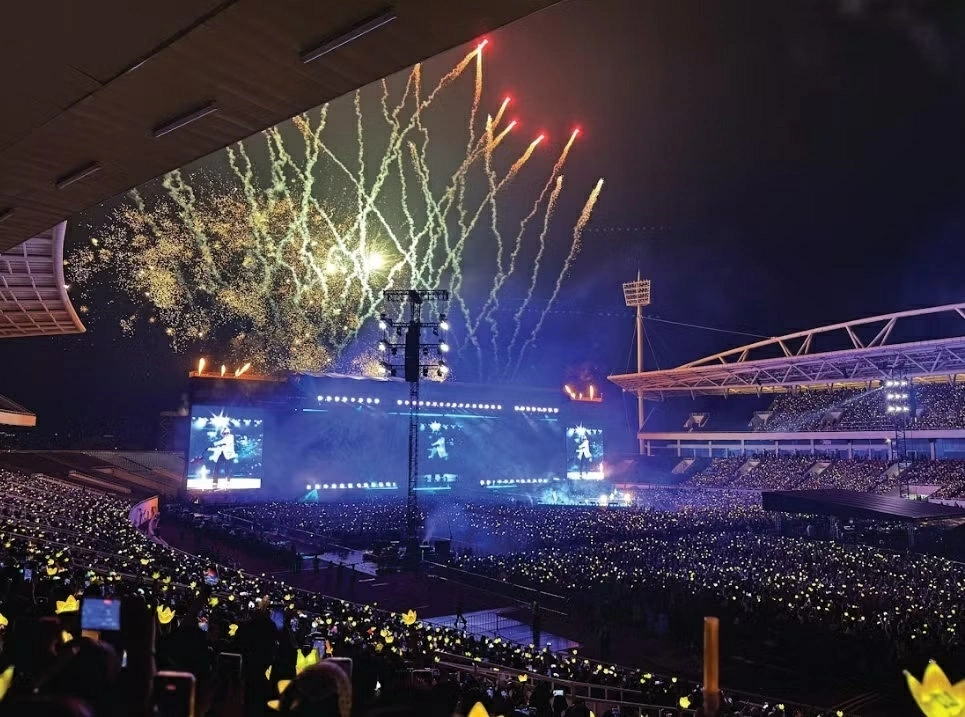 |
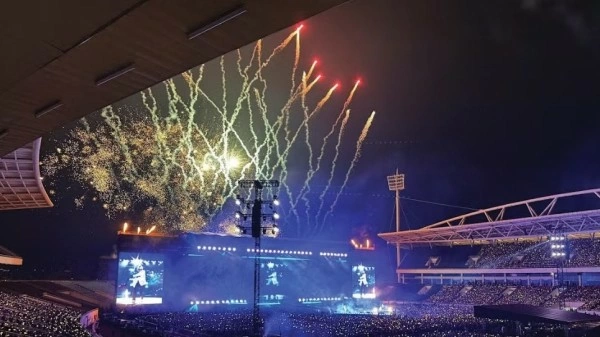
| The scale of fireworks in Hanoi was rated by the audience as creating one of the most spectacular effects in BIGBANG's past World Tour stages. (Photo: Minh Thu) |
Retaining tourists with Hanoi experiences
For Hanoi, the successful organization of the BIGBANG program also highlights the role of coordination between management agencies, local authorities, and organizers. According to management agencies, the city implemented procedures, reviewed organizational conditions, conducted field inspections, and developed plans to ensure security, order, traffic safety, healthcare, fire prevention, and environmental sanitation. The program was organized safely, receiving recognition from organizers, artists, and both domestic and international media.
These factors are significant for the reputation of a destination. Audiences may come to Hanoi out of admiration for BIGBANG, but their experiences throughout the trip will influence whether they want to return. A professionally organized program, convenient transportation, services meeting needs, and a friendly tourism environment will contribute to creating a positive impression of the city.
From the perspective of cultural industry development, Assoc. Prof. Dr. Bui Hoai Son believes that the Cultural Industry Development Law should pave the way for infrastructure development and long-term capital mobilization. For performing arts, important conditions include multifunctional performance centers, modern theaters, creative complexes, public spaces suitable for event organization, along with ticketing infrastructure and digital content exploitation.
Mr. Bui Hoai Son also emphasizes the necessity of feasible mechanisms to promote public-private partnerships, legally renting and exploiting public assets, using land, and accessing credit suitable for industry specifics. Additionally, criteria for project selection, pricing methods, investment efficiency, and accountability need to be clearly defined to avoid widespread incentives or resource loss.
For Hanoi, besides enhancing organizational capacity, the important challenge is to build event exploitation methods linked to the city's cultural characteristics. International programs can attract public attention, but local identity is the factor that helps create unique experiences.
Visitors attending concerts can spend time exploring the old quarter, learning about heritage, enjoying Hanoi cuisine, or visiting emerging creative spaces in the city. These experiences don't need to be organized into overly elaborate programs but require clear information, convenient access methods, and corresponding service quality.
Of course, not every event automatically creates a significant “boost” for tourism. Effectiveness also depends on audience scale, the proportion of visitors from other localities and abroad, length of stay, spending levels, and the service system's responsiveness. Therefore, besides estimated revenue figures, Hanoi needs to gradually assess more specifically the economic effectiveness, visitor satisfaction, and return potential after each event.
The BIGBANG concert has demonstrated the appeal of international music and the potential to create ripple effects for service activities in Hanoi. But the long-term value of the event will be determined by how the city continues this heat with in-depth tourism products, professional organizational capacity, and a favorable environment for creative businesses to develop.
From a stage gathering tens of thousands of spectators, Hanoi has the opportunity to expand its story to cultural experiences, exploration journeys, and service products with its own mark. When music becomes the starting point for a trip, and heritage and cultural life help extend the visitor's experience, entertainment events can truly contribute to the vitality of the tourism industry. This is also how Hanoi can not only be remembered as a place hosting major concerts but gradually affirm its position as a cultural and entertainment destination capable of attracting international audiences.