


Deepening cooperation with foreign NGOs
Deputy Minister of Foreign Affairs Ngo Le Van emphasised that Vietnam would continue to facilitate foreign non-governmental organisations in key areas, enhancing the effectiveness and sustainability of cooperation.
Latest
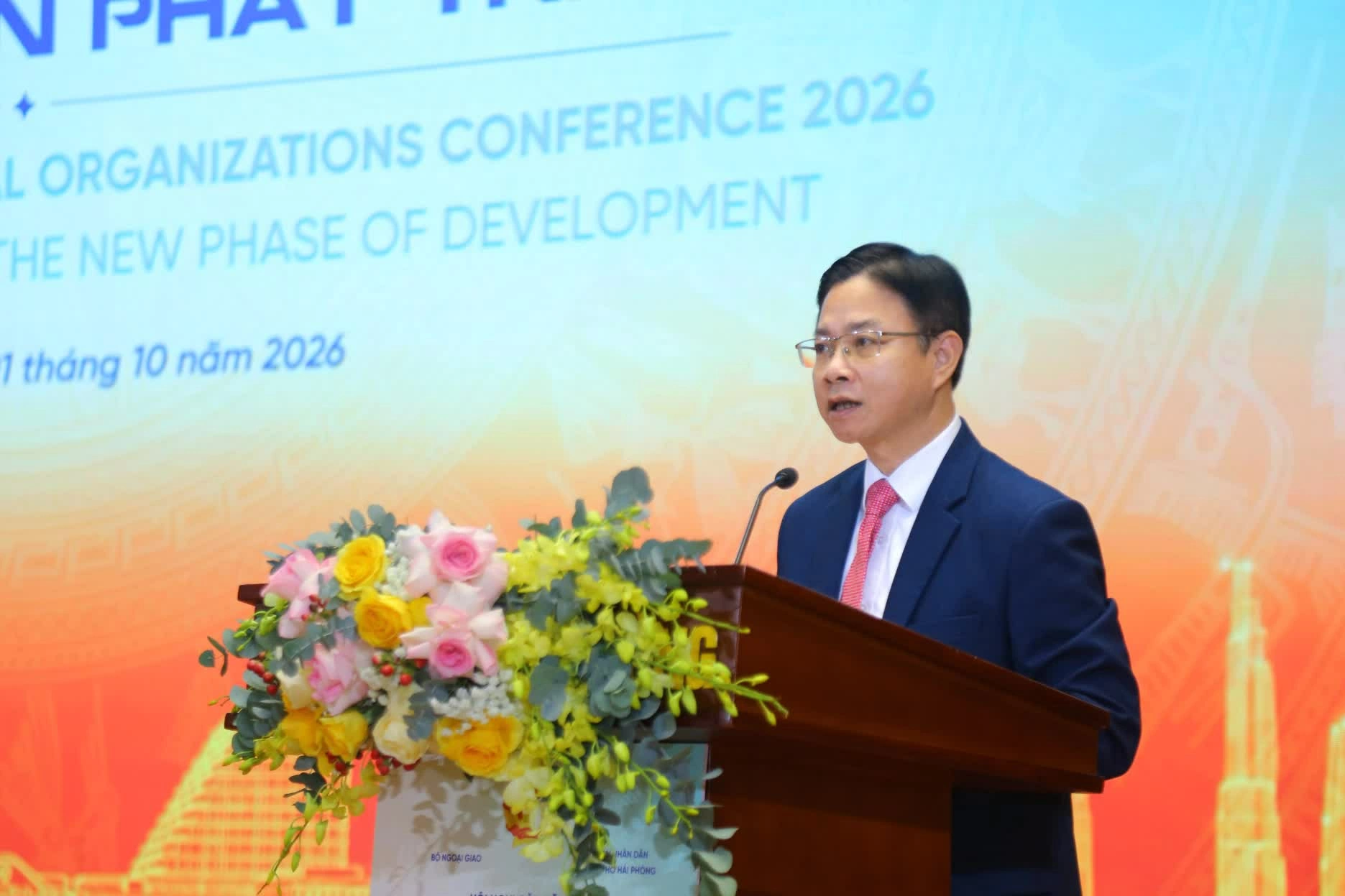 |
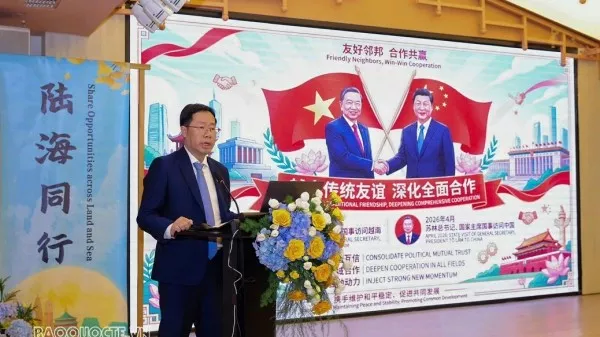
| Deputy Minister of Foreign Affairs, Chairman of the Committee on Foreign Non-Governmental Organisations Ngo Le Van emphasised the need to enhance the quality, effectiveness, and sustainability of cooperation with foreign non-governmental organisations. (Photo: Trung Anh) |
Speaking at the opening of the 2026 Conference on Meeting with Foreign Non-Governmental Organisations in Hai Phong on the morning of October 1, Deputy Minister of Foreign Affairs, Chairman of the Committee on Foreign Non-Governmental Organisations Ngo Le Van affirmed that Vietnam values and continues to facilitate foreign non-governmental organisations to operate in accordance with their principles and purposes, in line with Vietnamese law, thereby contributing to development and strengthening the friendship between the Vietnamese people and the people of other countries.
According to Deputy Minister Ngo Le Van, the conference takes place in the first year of Vietnam implementing the 14th National Congress Resolution of the Party and the 2026-2030 socio-economic development plan, aiming to become a modern industrialised, high middle-income developing country by 2030 and a high-income developed country by 2045.
In this process, Vietnam is renewing its development model, enhancing productivity, quality, and competitiveness of the economy, with science, technology, innovation, and digital transformation as the main drivers.
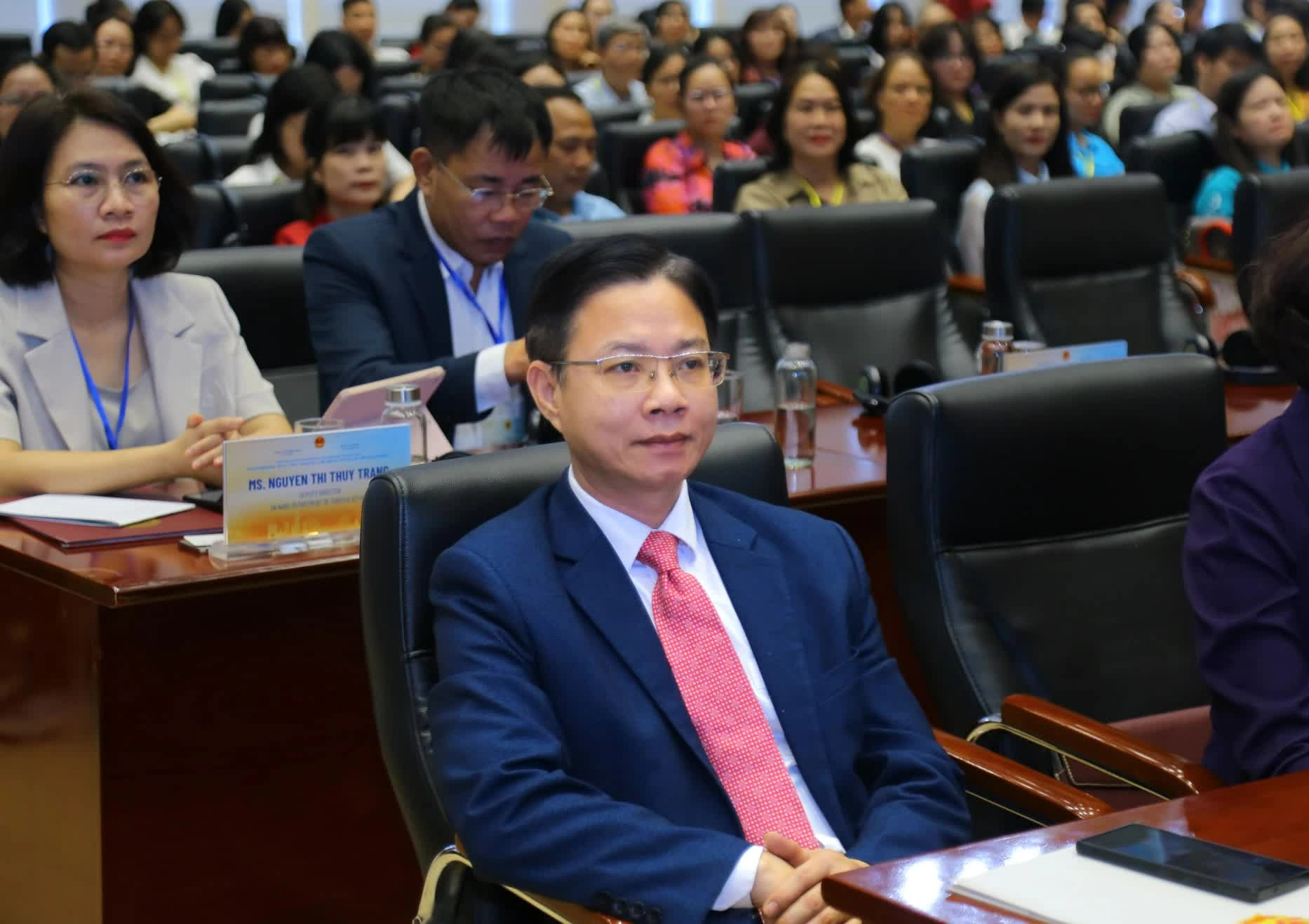 |
| Deputy Minister of Foreign Affairs, Chairman of the Committee on Foreign Non-Governmental Organisations, Ngo Le Van at the Conference. (Photo: Trung Anh) |
This process is linked with institutional improvement, enhancing the quality of human resources, leveraging social resources, and the role of the private economy, while promoting green transformation.
Vietnam also focuses on enhancing the country's autonomy, proactively engaging in international cooperation to supplement resources, and acquiring knowledge and experience for development.
In this development model, the people are identified as the centre and the subject of development.
Moreover, economic development must be associated with social progress and equity, environmental protection, preservation and promotion of cultural values, and improvement of the material and spiritual life of the people.
Along with promoting new growth drivers, Vietnam is concerned with narrowing the development gap between regions and population groups, creating conditions for people to participate in and benefit from development achievements.
Assessing the contributions of foreign non-governmental organisations over the years, Deputy Minister Ngo Le Van noted that programs and projects in areas such as health, education, poverty reduction, rural development, community development, environmental protection, and climate change response have contributed to improving lives and expanding opportunities for people, especially in disadvantaged areas.
Besides financial resources, these organisations also bring expertise, experience, suitable operational methods, and support to enhance the capacity of Vietnamese partners, thereby helping communities become more proactive in addressing development issues.
Deputy Minister Ngo Le Van emphasised that Vietnam consistently values cooperation with foreign non-governmental organisations, considering it an important component of people's diplomacy, contributing to development and expanding friendly relations between the Vietnamese people and the people of other countries.
Regarding the operational framework, the Deputy Minister affirmed that the Ministry of Foreign Affairs will continue to coordinate with relevant agencies to review and improve the legal framework for the activities of foreign non-governmental organisations.
In this regard, the Ministry is actively coordinating to advise on drafting a Decree to replace Decree No. 58/2022/ND-CP on the registration and management of foreign non-governmental organisations in Vietnam.
According to the outlined direction, the draft Decree will continue to simplify administrative procedures, enhance coordination and information sharing among management agencies, ensure unified and transparent management, while creating more favourable conditions for organisations to implement programs and projects in Vietnam.
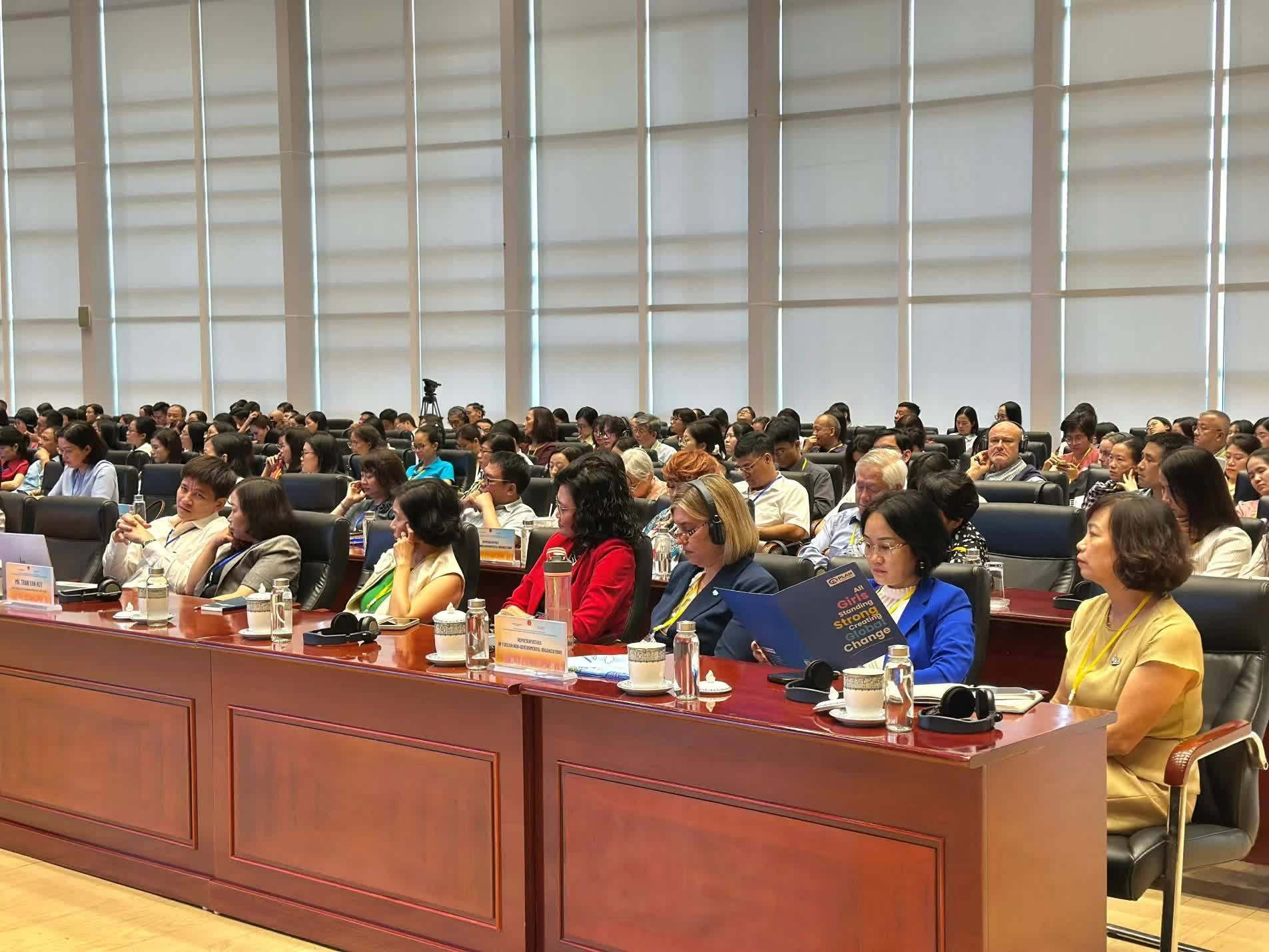 |
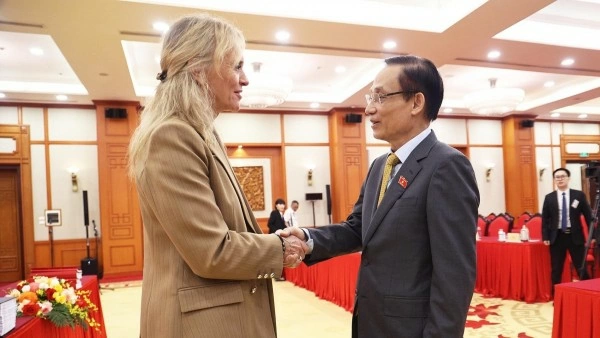
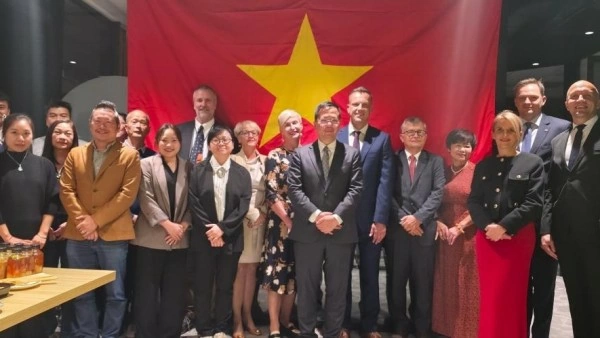
| Delegates attending the Conference. (Photo: Trung Anh) |
Regarding future cooperation directions, Deputy Minister Ngo Le Van highlighted three key focuses.
First, linking cooperation activities with Vietnam's development priorities and the practical needs of each locality. Besides traditional areas such as health, education, and social welfare, the Vietnamese government encourages organisations to expand cooperation in science, technology, innovation, digital transformation, human resource development, and sustainable economic, environmental, and socio-cultural development.
Cooperation programs are expected to contribute to improving the quality of human resources, supporting technology application to enhance productivity, create jobs, and improve incomes. Organisations can leverage their experience in vocational training, agricultural and rural development, supporting cooperatives, and small and medium enterprises to enhance production and business capacity, market access, and participation in value chains.
In this regard, localities need to play a proactive role, clearly identifying priority issues to address, and developing specific cooperation proposals for foreign non-governmental organisations to participate and contribute, while enhancing exchanges to jointly select content and implementation methods suitable to the needs and actual conditions.
Second, further enhancing the quality, effectiveness, and sustainability of cooperation. In the context of changing international aid sources and development partners' funding priorities, mobilising resources for development must go hand in hand with improving the efficiency of use and ensuring the sustainability of programs and projects. Organisations are encouraged to enhance knowledge sharing, support technology transfer and application, and provide training and capacity building for Vietnamese partners. Programs need to involve Vietnamese partners from the planning stage and have plans to maintain results after funding ends. Effective models should be evaluated and summarised for replication.
Additionally, encouraging cooperative models involving state agencies, non-governmental organisations, businesses, research institutes, universities, and communities to leverage each party's strengths, enhance experience sharing, and connect with international expert networks.
Third, strengthening dialogue, coordination, and information sharing to create a favourable environment for the activities of foreign non-governmental organisations in Vietnam. Current activities of organisations occur in the context of changing funding sources and operational methods, along with increasing demands for governance and financial transparency. This reality requires regular information exchange, close coordination, and a spirit of responsibility from both management agencies and foreign non-governmental organisations.
Deputy Minister Ngo Le Van urged agencies and localities to proactively exchange and coordinate to resolve difficulties and obstacles within their authority; clarify focal points and responsibilities during implementation. Focal agencies need to focus on information sharing, digital technology application, and capacity building for staff. The Ministry of Foreign Affairs and the Committee on Foreign Non-Governmental Organisations will continue to act as a bridge, promoting dialogue and coordination with relevant agencies to enhance cooperation effectiveness.
On this occasion, the Deputy Minister expressed hope that dialogue sessions, direct connections, and field surveys within the framework of the Conference will help parties clearly identify needs, find suitable partners, and form feasible cooperation proposals.
| The 2026 Conference on Meeting with Foreign Non-Governmental Organisations was held in Hai Phong under the theme “Accompanying Vietnam in the New Development Phase”, following the first Meeting with Foreign Non-Governmental Organisations in Hanoi in August 2025 and concretising the cooperation directions identified at the 5th International Conference on Cooperation between Vietnam and Foreign Non-Governmental Organisations in December 2025. |
| Vice President Vo Thi Anh Xuan: Deepening the Vietnam-Egypt Comprehensive Partnership in a substantive and effective manner WVR - On the afternoon of 31 August, on the occasion of attending the Shanghai Cooperation Organisation Plus Summit (SCO Plus) in Bishkek, Kyrgyzstan, Vice ... |
| 13th Vietnam-Russia Consular Consultation: Facilitating citizens of both nations, deepening Comprehensive Strategic Partnership On September 15, the 13th Vietnam-Russia consular consultation took place in Moscow, co-chaired by Doan Hoang Minh, Director General of the Consular Department, Ministry of ... |