



Collecting DNA samples from martyrs' relatives in Dak Lak: Illuminating hope and gratitude
WVR - The results of collecting DNA samples are not only measured by the number of samples obtained but, more importantly, by the trust of the people, the satisfaction, and hope of the martyrs' families towards the Party, the State, and the police force.
Latest
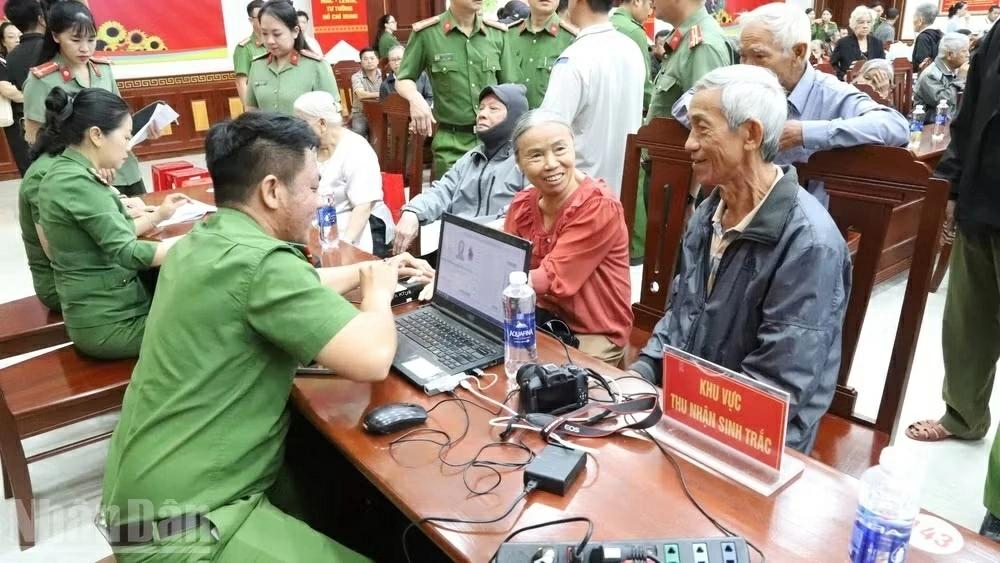 |
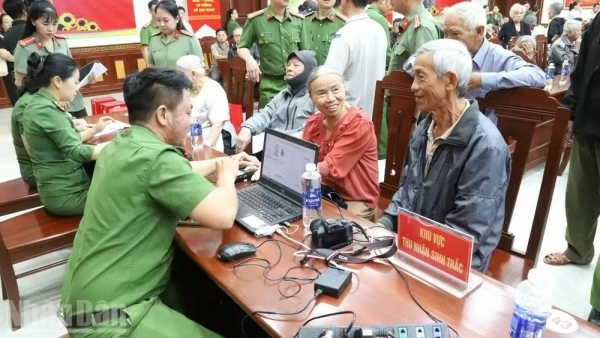
| Martyrs' relatives rejoice as units collect DNA samples to identify the martyrs. (Source: Nhan Dan) |
On November 10, the Dak Lak Provincial Police, in collaboration with the Department of Administrative Management on Social Order and Genviet, organized the second round of DNA sample collection for the relatives of unidentified martyrs in Dak Lak Province in 2026.
Speaking at the ceremony, Colonel Tran Binh Hung, Deputy Director of Dak Lak Provincial Police, stated that organizing the task of collecting DNA samples for martyrs' relatives in the province is not only a professional task according to the plan but also a deeply humanitarian work, associated with the affection, responsibility, and gratitude of the police force towards the heroic martyrs and families who contributed to the revolution.
Recently, recognizing the special requirements and nature of the task, the Provincial Police have proactively advised the Provincial People's Committee and directed police units and localities to closely coordinate with the Department of Home Affairs and the People's Committees of communes and wards to directly visit each family to review, collect information, guide, and explain, creating consensus among the people. This process is carried out with great caution and meticulousness, as each piece of information and each biological sample is linked to the long-standing anticipation and hope of the martyrs' families.
To date, Dak Lak Province has surveyed and collected information on 12,308 martyrs, of which 6,850 martyrs have been identified, and 5,458 martyrs remain unidentified. Through the review, 1,473 martyrs currently have no relatives to collect samples from, and 3,985 unidentified martyrs have relatives eligible to provide DNA samples, totaling 4,346 relatives.
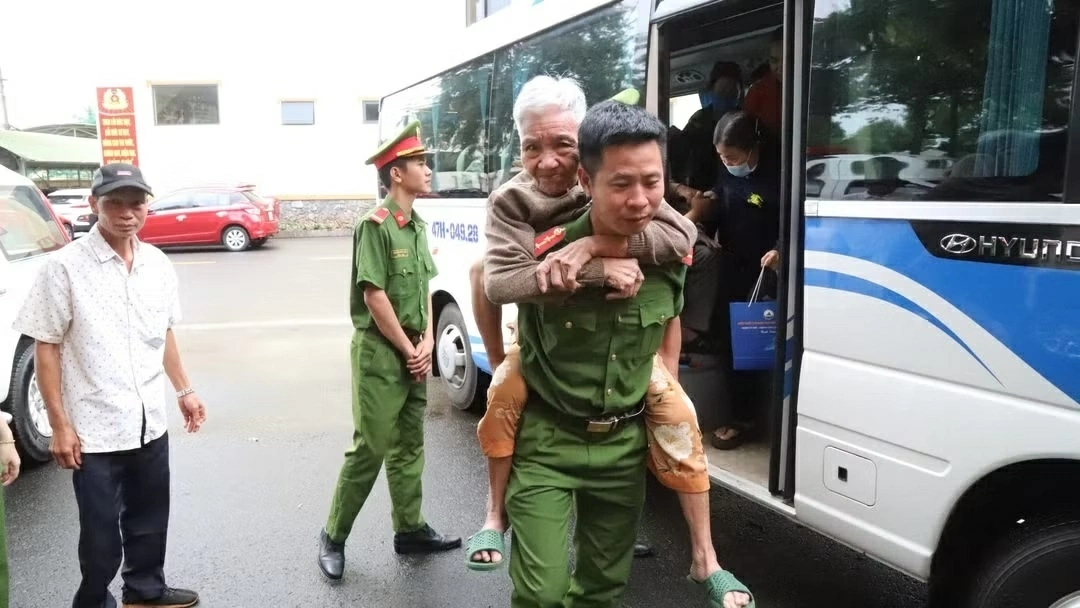 |
| Officers and soldiers of Dak Lak Provincial Police assist martyrs' relatives in collecting DNA samples. (Photo: Cong Ly) |
Previously, in the first round of collection, the province collected 2,422 DNA samples, and in the second round, 1,671 DNA samples will be collected. This is a significant workload, requiring perseverance, responsibility, and coordinated efforts from all levels and sectors, with the police force playing a pivotal role.
In this second round of DNA sample collection, with a large number of relatives needing samples, the collection will take place over several days, requiring close coordination between the police force, specialized units, and local authorities.
Colonel Tran Binh Hung urged the police forces at all levels in the province to conduct DNA sample collection with the highest sense of responsibility, adhering to professional procedures, ensuring safety and accuracy; while being extremely attentive and thorough, creating a sense of security and trust for the martyrs' families participating in the sampling.
Continuing to review and clean up information on martyrs' relatives in the National Population Database, ensuring complete and consistent information, serving as a long-term basis for comparison and identification of martyrs in the future.
Strengthening coordination with departments, agencies, and local authorities, especially the Provincial Military Command, in searching, managing, preserving, and transporting DNA samples, ensuring compliance with regulations and absolute safety throughout the implementation process.
Particularly, focusing on communication and explanation so that martyrs' families understand the significance of DNA sample collection, viewing it as a humanitarian act full of hope, thereby voluntarily and actively accompanying the authorities in its execution.
“The Provincial Police clearly determine that the results of DNA sample collection are not only measured by the number of samples collected but, more importantly, by the trust of the people, the satisfaction, and hope of the martyrs' families towards the Party, the State, and the police force. The Provincial Police commit to implementing the task with the highest sense of responsibility, objectivity, scientific approach, and humanity; proactively coordinating, overcoming difficulties, and determined to contribute to the early identification of martyrs, meeting the expectations of families and people in the province, contributing to the good work of honoring the families of martyrs,” Colonel Tran Binh Hung affirmed.
At the ceremony, Ms. Tran Thi Ngoc Anh, representing the relatives of unidentified martyrs, emotionally shared: The war has been over for many years, but for families of unidentified martyrs, the pain and longing remain. Our loved ones left when they were very young, leaving for the country, for the independence and freedom of the nation. Back then, the family could only bid farewell with tears, waiting for news month after month, year after year, but to this day, we still do not know exactly where our loved ones rest, whether their names are fully recognized.
For many years, in each martyrs' family, the most haunting thing is not knowing the grave, not knowing the clear identity of the sacrificed loved one. We only hope for the day we can light incense with the correct name of our loved one, to call out “father”, “brother”, “uncle”, “grandfather” at the grave. That wish seems simple, but for many families, it has been a decades-long wait.
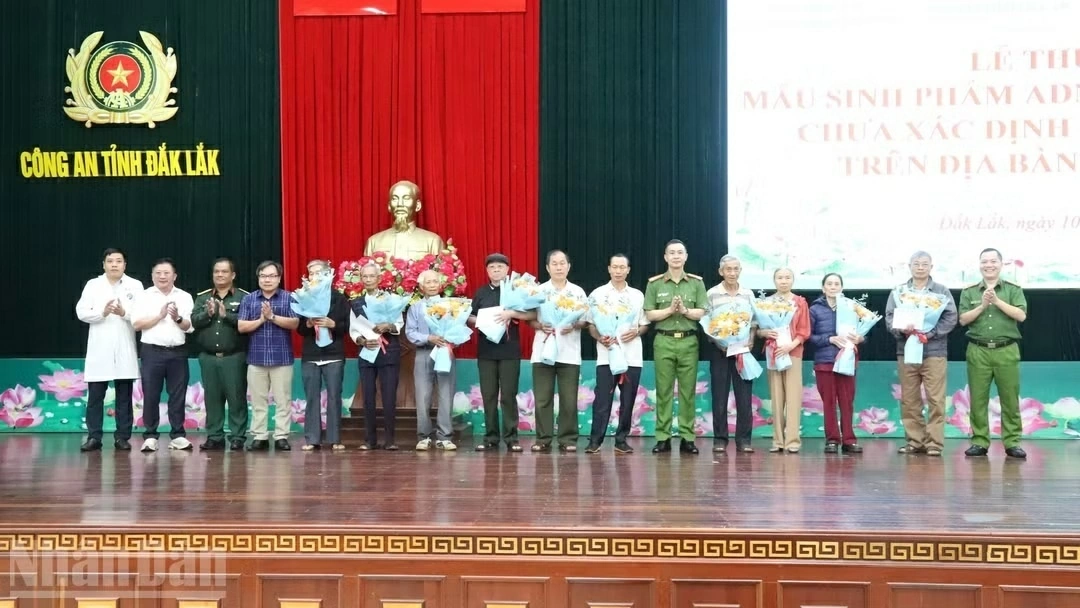 |
| Leaders of Dak Lak Provincial Police and units present flowers to martyrs' relatives. (Source: Nhan Dan) |
Therefore, when we learned that the Party, the State, and Dak Lak Province are implementing DNA sample collection for the relatives of unidentified martyrs, our family, like many others, is very excited and hopeful. This is not only a scientific endeavor but also a profound gesture of care and affection for those who have sacrificed and for the relatives left behind.
“Today, being here and receiving detailed and attentive guidance from the officers, we feel very comforted. Although we know that identifying martyrs is a difficult task that requires time, just having hope brings great solace to our family. We feel that those who sacrificed for the nation are not forgotten,” Ms. Tran Thi Ngoc Anh shared.
In the emotional atmosphere of the DNA sample collection ceremony for the relatives of unidentified martyrs in Dak Lak Province, Ms. Tran Thi Ngoc Anh and the martyrs' relatives expressed their heartfelt gratitude to the Party, the State, the provincial leaders, and the departments, agencies, police, military forces, and the officers directly performing the task for their care and concern for the martyrs' relatives through very specific and practical actions.
At the same time, they hope that in the future, the search and identification of martyrs' remains will continue to receive more attention from all levels and sectors, so that more martyrs can return to their families and hometowns. This is not only a consolation for the martyrs' relatives but also a profound tribute to those who sacrificed for the country.