


AMM 59: Strengthening trust, advancing genuine peace at the ASEAN Regional Forum
WVR - On July 23, the 33rd ASEAN Regional Forum (ARF) took place within the framework of the 59th ASEAN Foreign Ministers' Meeting (AMM-59) and related conferences in Manila, Philippines. Politburo Member and Minister of Foreign Affairs Le Hoai Trung led the Vietnamese delegation at the forum.
Latest
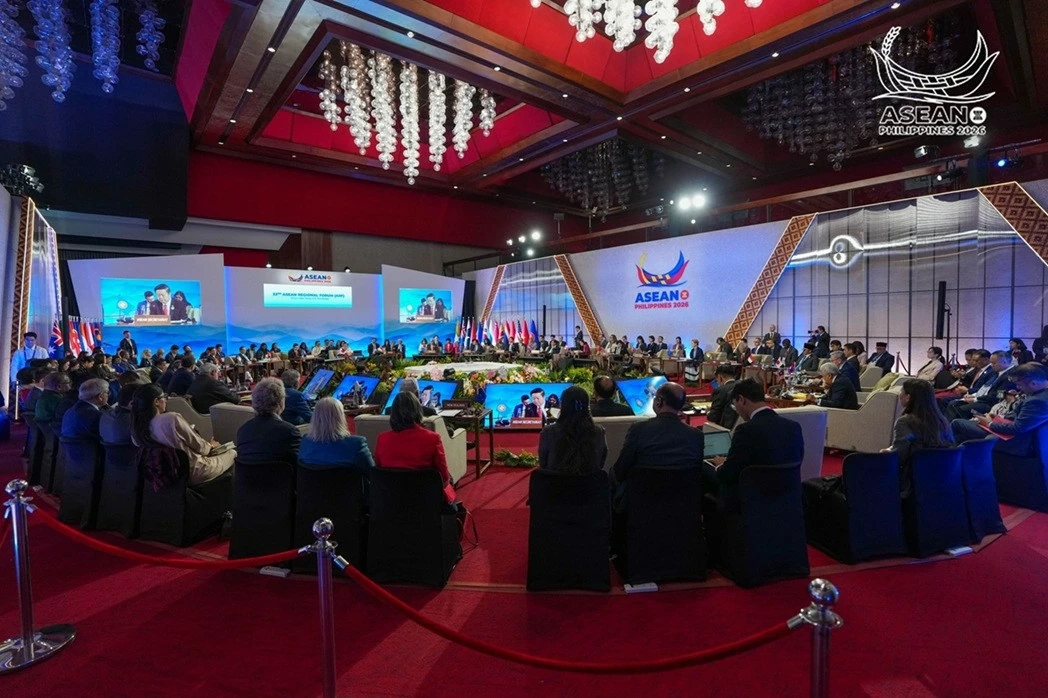 |
| Overview of the 33rd ASEAN Regional Forum (ARF). (Photo: Bao Chi) |
The Ministers affirmed that since its establishment in 1994, the ARF has been a leading mechanism for political-security cooperation in the region, playing a crucial role in promoting dialogue, building trust, and preventive diplomacy.
The implementation of the Hanoi Plan of Action II (2020-2025) has achieved a high completion rate, especially in priority cooperation areas such as maritime security, cybersecurity, and disaster relief.
The Forum officially adopted the Manila Plan of Action 2026-2036, a document guiding ARF activities for the next decade. Additionally, the Ministers emphasized that the ARF must continue to adapt to current strategic shifts, maintaining trust-building measures as a foundation while promoting substantive preventive diplomacy.
The Ministers agreed to approve the list of ARF activities for the mid-term year 2026-2027.
On this occasion, the meeting also noted ASEAN's consensus on accepting the United Kingdom as the 28th member of the ARF.
Regarding international and regional situations, the Ministers shared concerns over complex, multidimensional challenges such as food security, energy, climate change, cybersecurity, and issues accompanying emerging technologies. The countries reaffirmed the importance of maintaining peace, security, stability, safety, and freedom of navigation and overflight in the East Sea, resolving disputes peacefully based on international law, particularly the United Nations Convention on the Law of the Sea (UNCLOS) 1982.
The meeting emphasized ensuring the full and effective implementation of the Declaration on the Conduct of Parties in the East Sea (DOC) and moving towards an early conclusion of a substantive and effective Code of Conduct in the East Sea (COC).
Furthermore, the meeting discussed the situation in the Middle East and the Korean Peninsula, calling for restraint, avoiding escalation, and promoting dialogue and diplomacy to achieve lasting peace.
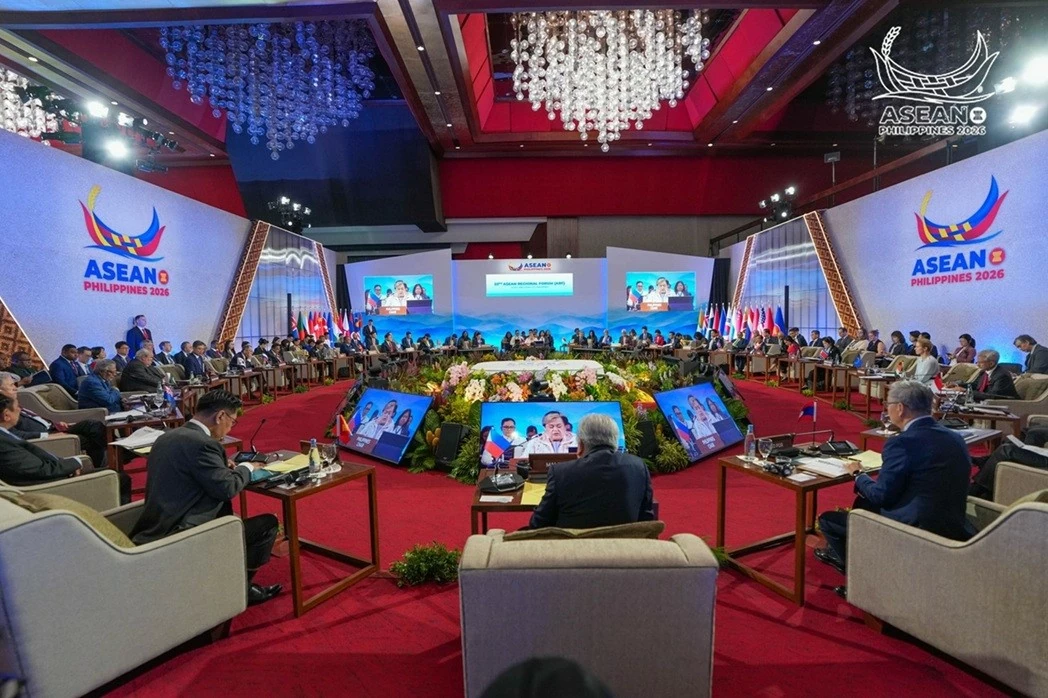 |
| The 33rd ASEAN Regional Forum (ARF) adopts the Manila Plan of Action 2026-2036. (Photo: Bao Chi) |
Speaking at the conference, Foreign Minister Le Hoai Trung emphasized that in the context of geopolitical and economic instability worldwide, increasing strategic competition, and intertwined risks from climate change, cybersecurity to supply chain disruptions, the ASEAN Regional Forum and its member countries need to shift from "reactive dialogue" to "proactive risk management" by enhancing forecasting and preventing escalation.
The ARF also needs to flexibly adapt to new strategic practices while maintaining its position as an inclusive platform for major countries to participate, respecting ASEAN's central role. Notably, the ARF should contribute more actively to peacefully resolving disputes based on international law.
In discussions at the Forum, Foreign Minister Le Hoai Trung shared Vietnam's perspective, calling for restraint and avoiding escalation in the Middle East, ensuring safe and continuous passage for ships and aircraft through the Strait of Hormuz; while supporting the maintenance of dialogue and diplomacy for long-term peace and stability on the Korean Peninsula.
The Foreign Minister also affirmed that ASEAN will continue to work with China to fully and effectively implement the DOC and soon achieve a substantive and effective COC, in accordance with international law, particularly UNCLOS 1982.