



Vietnam’s new Press Law raises legal and ethical standards for journalism in the digital age: Seminar
WVR - On the morning of August 24, in Hai Phong, the Vietnam Journalists Association organised a seminar titled “New Points of the Press Law and Legal Sanctions: Identifying Risks and Protecting Journalistic Ethics”.
Latest
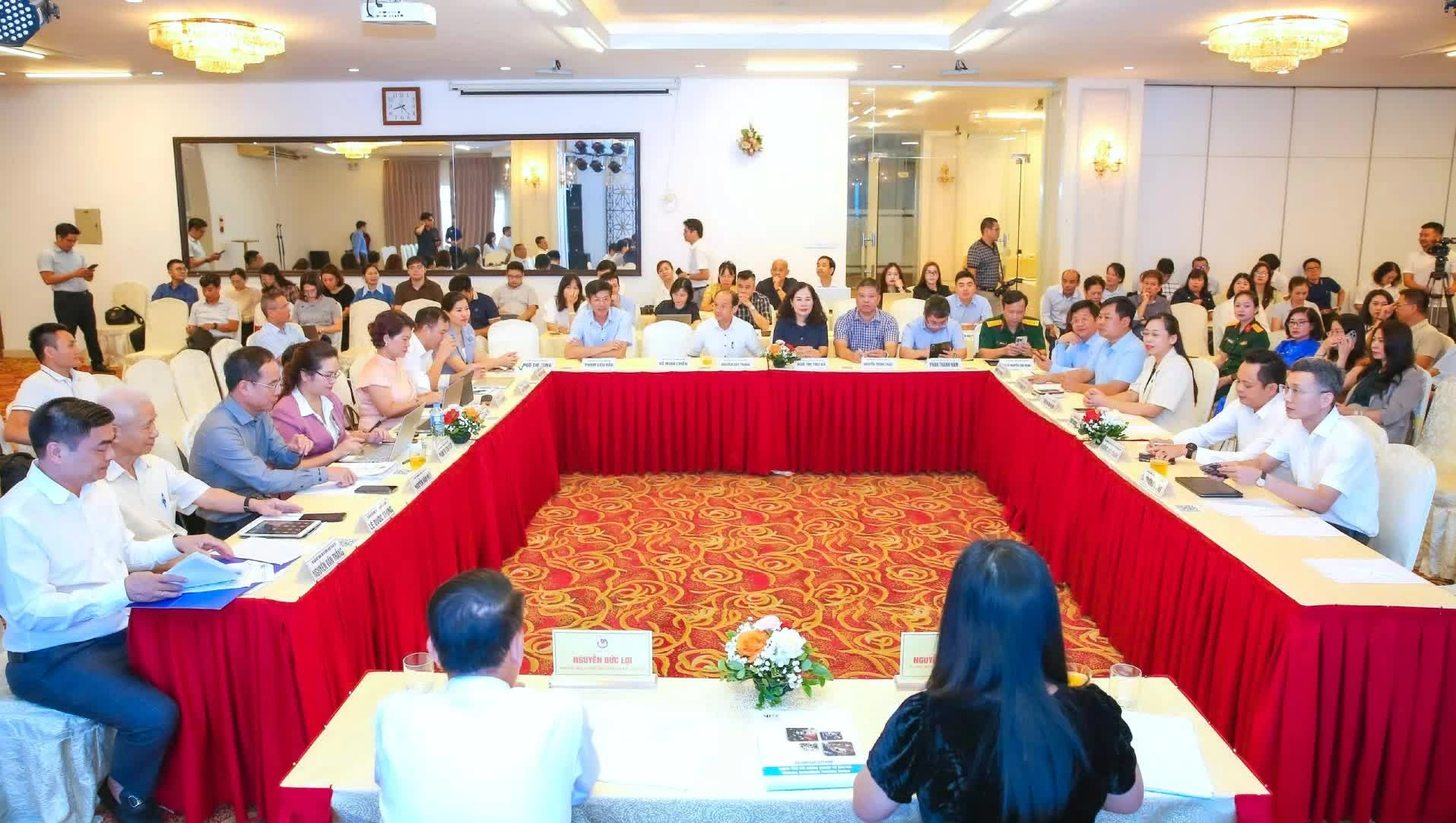 |
| An overview of the seminar titled “New Points of the Press Law and Legal Sanctions: Identifying Risks and Protecting Journalistic Ethics”. (Photo: Trung Anh) |
The seminar was attended by representatives of the Ministry of Culture, Sports and Tourism, including Mr. Nguyen Van Hieu, Deputy Director of the Press Department, and Ms. Pham Thi Kim Oanh, Deputy Director of the Copyright Office, along with leaders of the Vietnam Journalists Association, experts, journalists, and leaders of central and local press agencies and journalists’ associations from provinces and cities nationwide.
The seminar focused on the major new provisions of the 2025 Press Law, copyright regulations, and legal responsibilities in journalistic activities, while providing a forum to discuss practical situations arising in the collection, verification, editing, and publication of information.
Through these discussions, the event sought to help journalists proactively identify and prevent legal risks, refine professional procedures, safeguard the reputation of press agencies, and uphold the ethical standards and social responsibility of journalism.
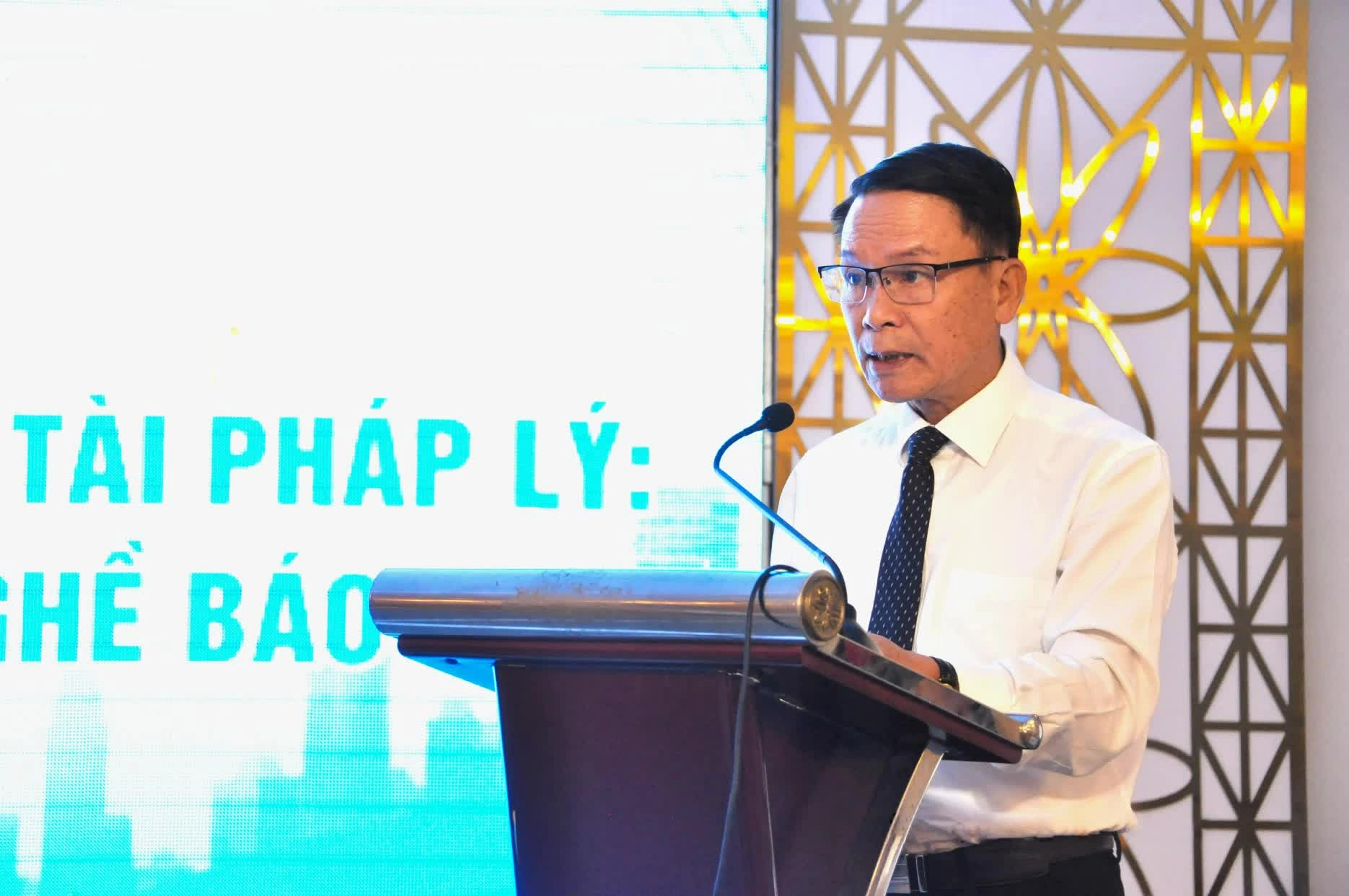 |
| Former Central Committee Member and Standing Vice Chairman of the Vietnam Journalists Association Nguyen Duc Loi delivers the opening remarks at the seminar. (Photo: Trung Anh) |
In his opening remarks, former Central Committee Member and Standing Vice Chairman of the Vietnam Journalists Association Nguyen Duc Loi stressed that professional journalism must be founded on truth, responsibility, and respect for the rule of law.
He said the 2025 Press Law and related regulations establish a legal framework that safeguards journalists’ right to practice their profession and access information, while also defining their responsibilities to society.
Addressing professional ethics, the Standing Vice Chairman of the Vietnam Journalists Association described it as the “first line of defence” enabling journalists to regulate their own conduct and proactively prevent risks in the course of their work.
Mr. Nguyen Duc Loi further emphasised that professional responsibility and ethical standards provide a foundation for journalists to exercise greater caution in their work, thereby safeguarding the credibility of the profession and strengthening public trust.
Greater autonomy for press agencies
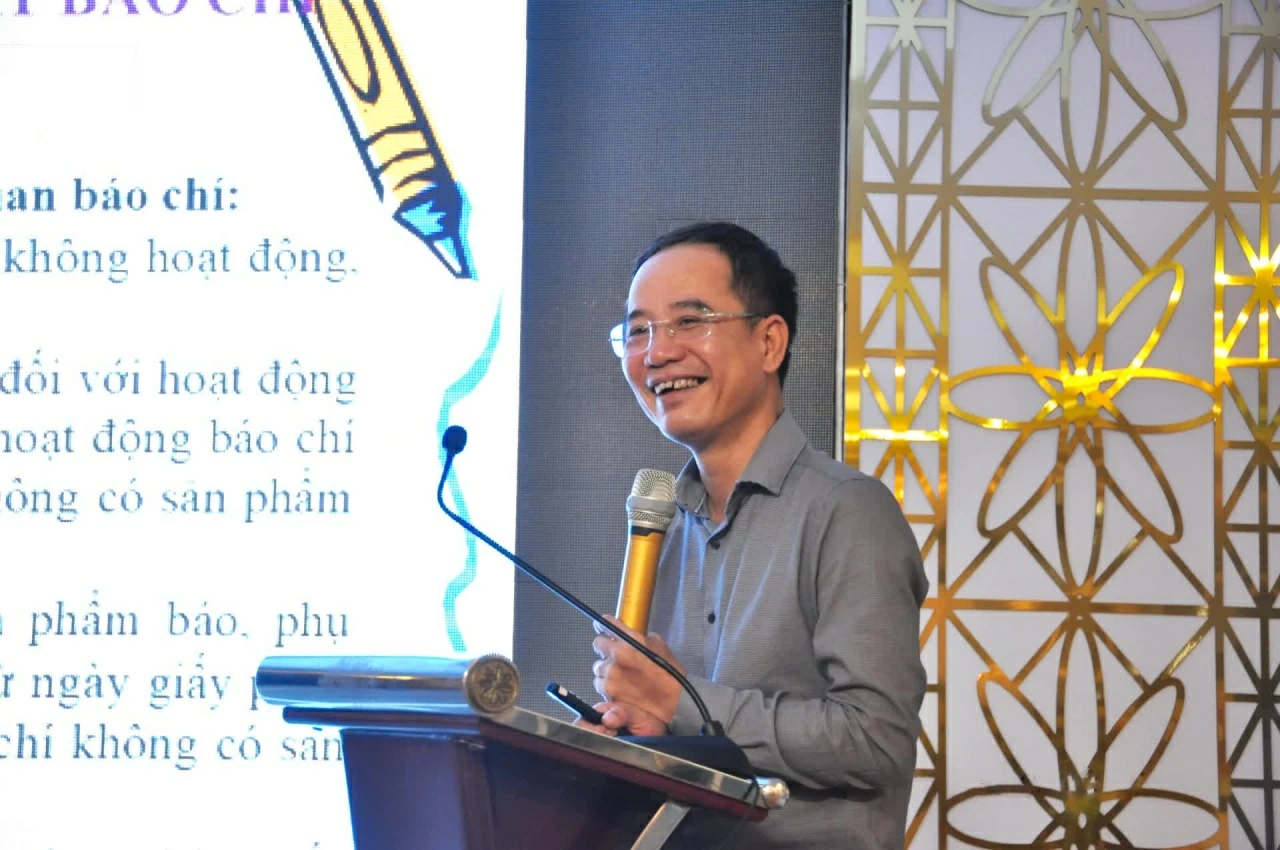 |
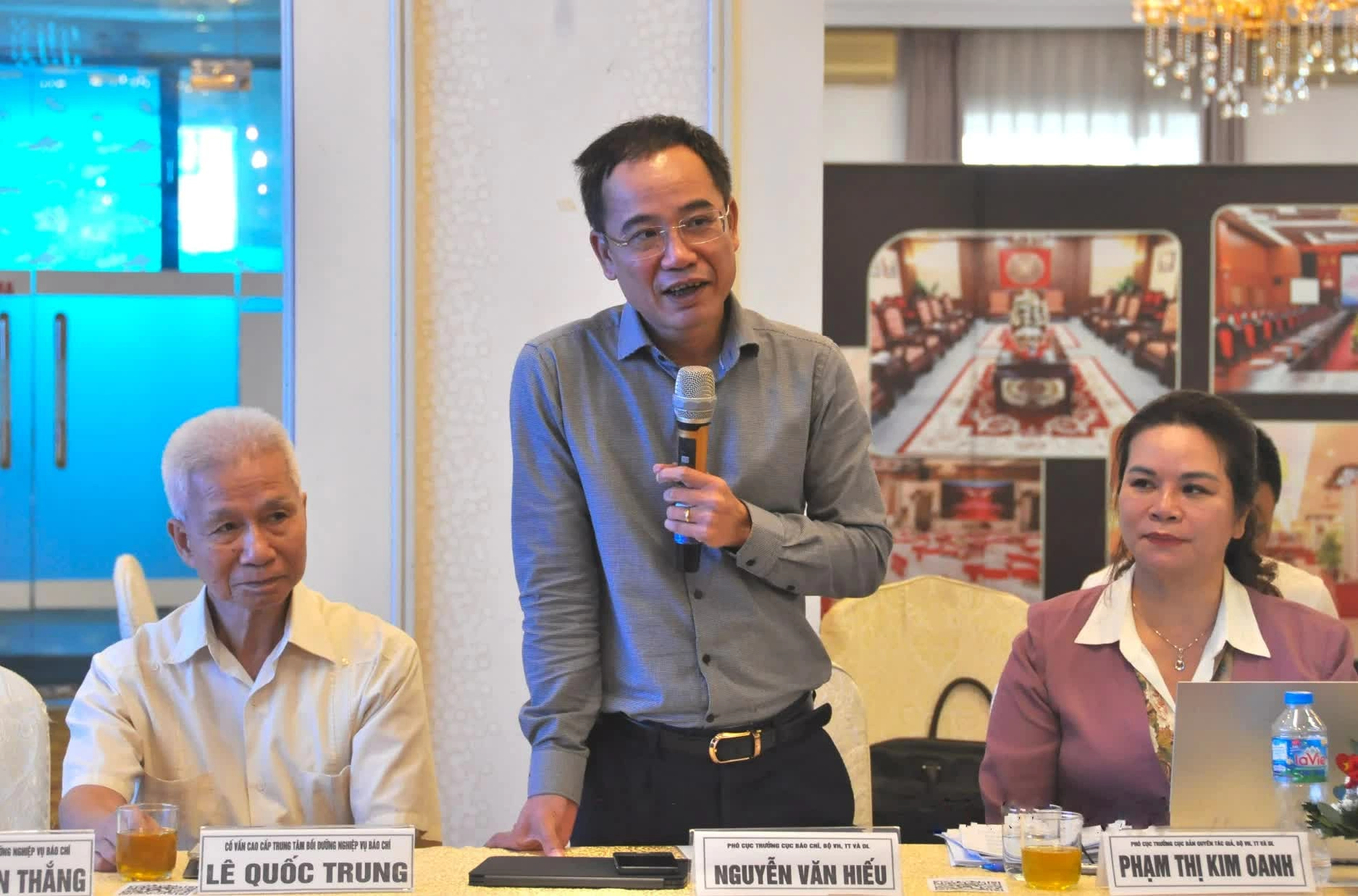
| Deputy Director of the Press Department under the Ministry of Culture, Sports and Tourism Nguyen Van Hieu speaks at the seminar. (Photo: Trung Anh) |
Opening the session on “New Points of the Press Law and the Legal Framework for Newsrooms,” Deputy Director of the Press Department Nguyen Van Hieu said the 2025 Press Law, which took effect on July 1, 2026, comprises four chapters and 51 articles, two chapters and 10 articles fewer than the 2016 Press Law.
According to the Deputy Director, the reduction in the number of provisions does not mean a narrower regulatory scope. Instead, the new law focuses on principles while assigning the Government to provide detailed guidance on a range of issues, allowing the legal framework to keep pace with the rapidly changing realities of journalism.
| More from WVR |
 National Assembly Chairman calls on press to continue serving nation, people National Assembly Chairman calls on press to continue serving nation, people |
One of the most notable changes is the expansion of the operating space available to press agencies in the digital environment.
Under the new provisions, press agencies may establish channels on social media platforms after notifying the relevant regulatory authorities and maintaining consistent identifying features. Content published through these channels is considered journalistic work and is therefore subject to the Press Law.
Alongside facilitating the development of journalism in cyberspace and on national digital platforms, the law introduces mechanisms for the provision of online services, creating additional sources of revenue and enabling press agencies to make more effective use of their data, brands, and readership.
Deputy Director Nguyen Van Hieu also outlined new provisions concerning the model of major multimedia press agencies, scientific journal agencies, and content-production partnerships.
The law defines major multimedia press agencies as organisations operating across multiple forms of journalism, with subordinate press entities and access to specific financial mechanisms. At the same time, it expands the scope for partnerships in content production, while excluding political current affairs, security, defence, and foreign affairs content.
Press agencies, however, must retain control over content and assume ultimate responsibility for products produced through partnerships, including derivative products.
Regarding the management of press activities, the Deputy Director noted that the new law provides clearer provisions on the validity of press cards, permanent offices, representative offices, licensing conditions, and grounds for revoking press licences.
Under the new rules, press cards are valid for five years from the date of issuance, replacing the previous system based on a general term. The law also introduces additional grounds for revoking the operating licences of press agencies that fail to maintain their activities or no longer meet essential requirements concerning organisational structure, personnel, and financial capacity.
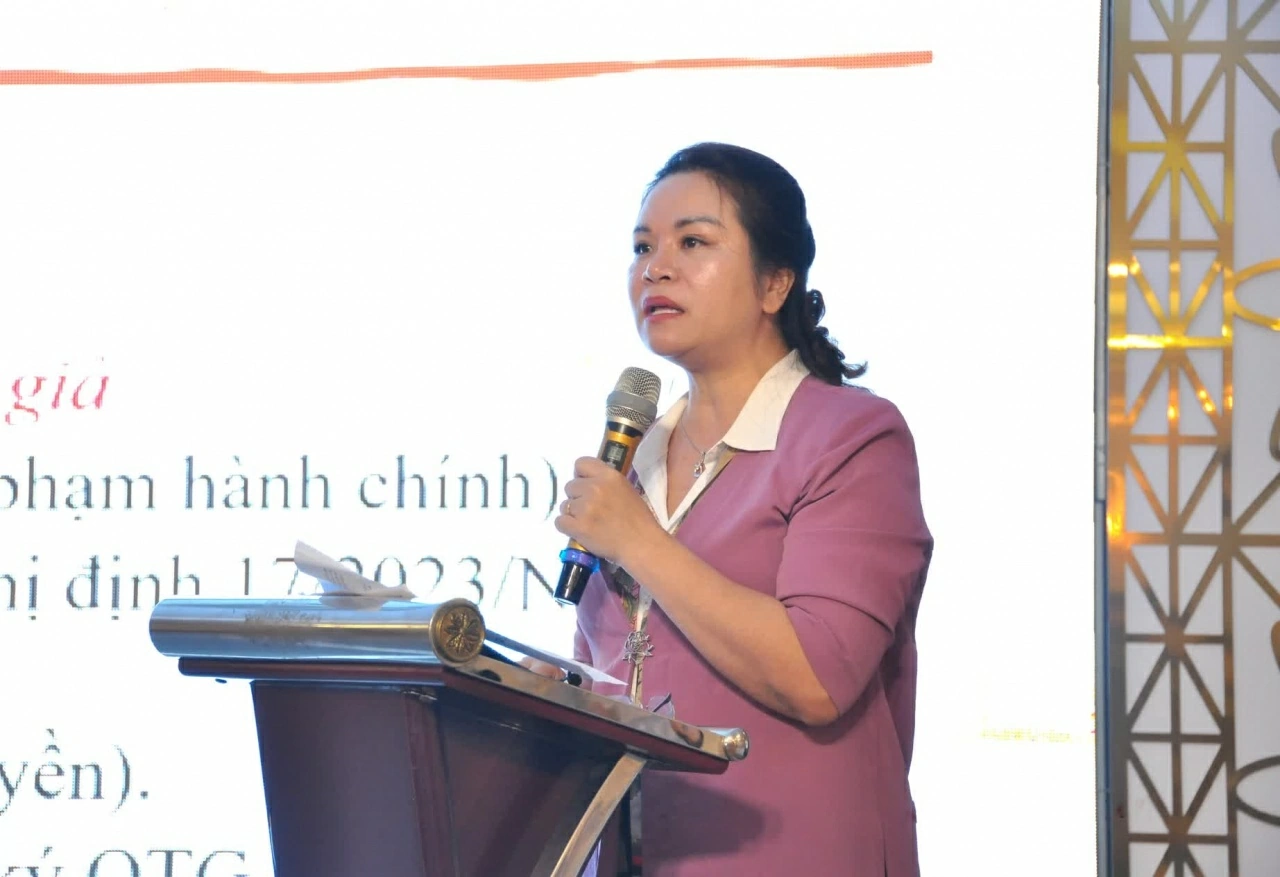 |
| Deputy Director of the Copyright Office under the Ministry of Culture, Sports and Tourism Pham Thi Kim Oanh speaks at the seminar. (Photo: Trung Anh) |
Continuing the discussion, Deputy Director of the Copyright Office Pham Thi Kim Oanh said the rapid adoption of artificial intelligence (AI) is creating new copyright challenges for journalism, highlighting three issues that require particular attention.
First, human contribution remains decisive in establishing copyright when AI is used to support the creative process. Under Article 5a of Decree No. 134/2026/ND-CP, a work is eligible for copyright protection only when there is significant human contribution to the creative process. Human creators must also bear responsibility for the content and legality of the work and ensure that input data is used without infringing copyright in protected works.
| More from WVR |
 Promoting close ties between journalism and scientific research in the new context: The World and Vietnam Report Promoting close ties between journalism and scientific research in the new context: The World and Vietnam Report |
Second, the use of AI in journalism may give rise to copyright infringement from the moment the technology is deployed. If reporters and editors fail to control data sources or the way AI generates content, the resulting product may incorporate or unlawfully use protected works, creating legal risks for the press agency. Newsrooms therefore need to establish procedures governing the use of AI while maintaining comprehensive records of the creative process to clearly establish the role and extent of human contribution to each product.
Third, press agencies need to take proactive steps to protect their intellectual property from the collection and exploitation of journalistic content for AI training. Newsrooms should clearly distinguish between content that may be broadly shared and valuable works requiring protection, then establish appropriate mechanisms to restrict unauthorized use while exploring copyright-based revenue models for the exploitation of journalistic content. The issue is becoming increasingly pressing as news products circulate widely across digital platforms, while the economic value generated from their use remains insufficiently reflected.
The Copyright Office representative also called on press agencies to strengthen copyright protection in cyberspace, including by studying Article 198b of the Intellectual Property Law concerning the responsibilities of intermediary service providers in protecting copyright and related rights.
According to Pham Thi Kim Oanh, stronger copyright protection is essential to curb unauthorized copying, editing, logo removal, and reposting of journalistic content, while protecting the creative resources and revenue of press agencies and providing a stronger foundation for journalism to adapt to the rapid development of AI and the digital environment.
Identifying journalistic risks in the digital environment
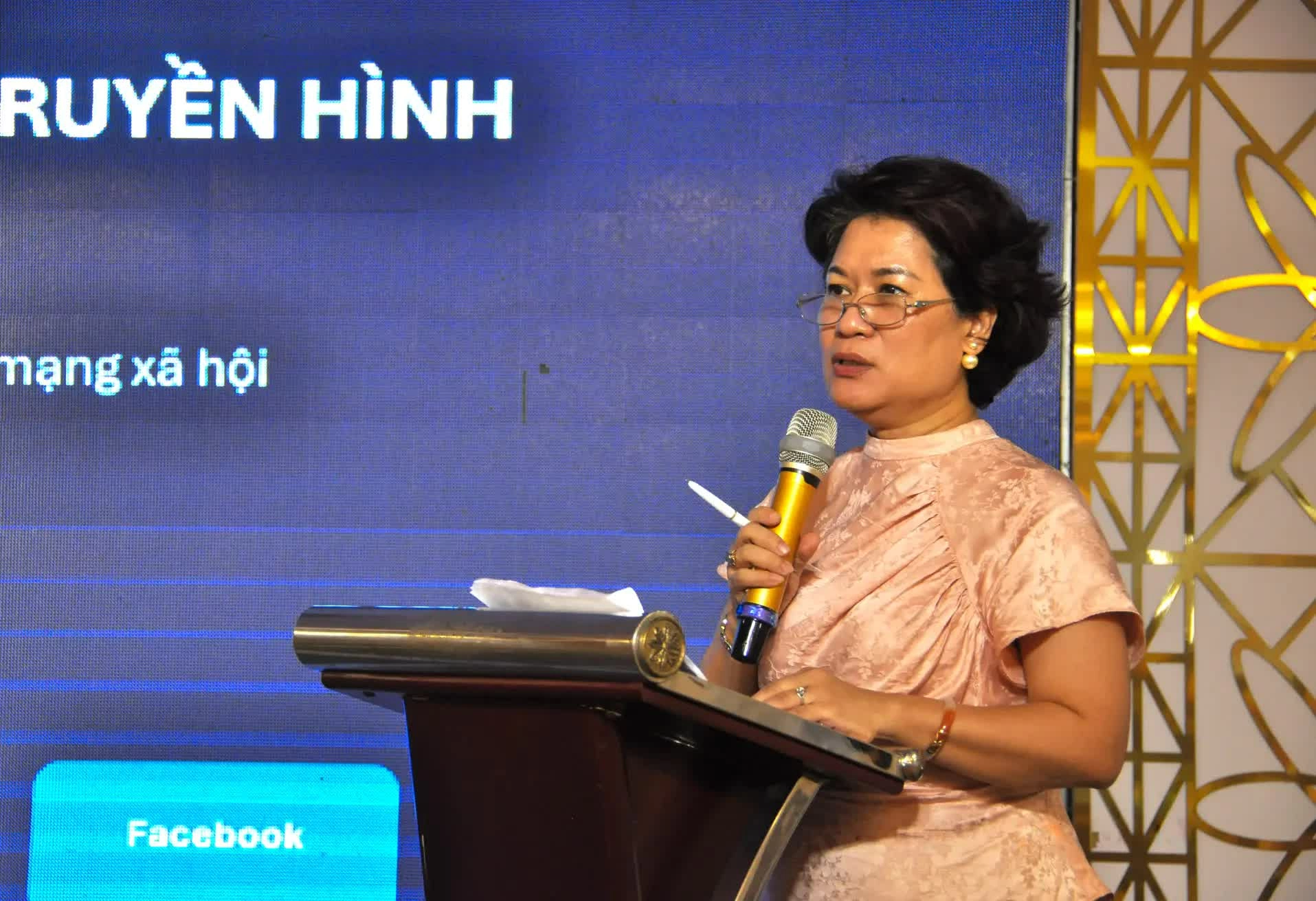 |
| Journalist and Dr. Nguyen Thu Ha, Head of the Special Programmes - Science and Education Department of Vietnam Television (VTV), presents her paper at the seminar. (Photo: Trung Anh) |
Presenting a paper at the seminar, journalist and Dr. Nguyen Thu Ha, Head of the Special Programmes - Science and Education Department, Vietnam Television, said the development of the digital environment is fundamentally transforming the ways television works are produced, distributed, and consumed.
| More from WVR |
 VTV urged to foster national value system of patriotism, creativity VTV urged to foster national value system of patriotism, creativity |
Quoting an article by General Secretary, President To Lam marking Vietnam Revolutionary Press Day on June 21, in which he emphasised that “digital journalism is not old journalism placed on a new platform, but a new way of organizing journalism in a new context”, Dr. Nguyen Thu Ha noted that a television work can now be distributed across multiple platforms in different versions, with variations in titles, thumbnails, subtitles, and duration.
Drawing on practical experience at VTV, Dr. Nguyen Thu Ha proposed that press agencies shift from a mindset centred primarily on content censorship toward a broader approach to content risk management, while establishing multi-platform publishing procedures with clearly defined responsibilities at every stage.
The VTV representative identified six major categories of risk that warrant particular attention when television works are re-edited and redistributed on digital platforms, namely loss of context, changes to headlines, risks associated with thumbnails, shortened video clips, algorithmic effects, and audience interaction and reuse of content.
Ms. Nguyen Thu Ha stressed that transferring a television work to digital platforms should itself be regarded as a journalistic editing process, with the person responsible for approving the original work continuing to oversee its digital versions to ensure that the information, context, and intended message remain accurate and intact.
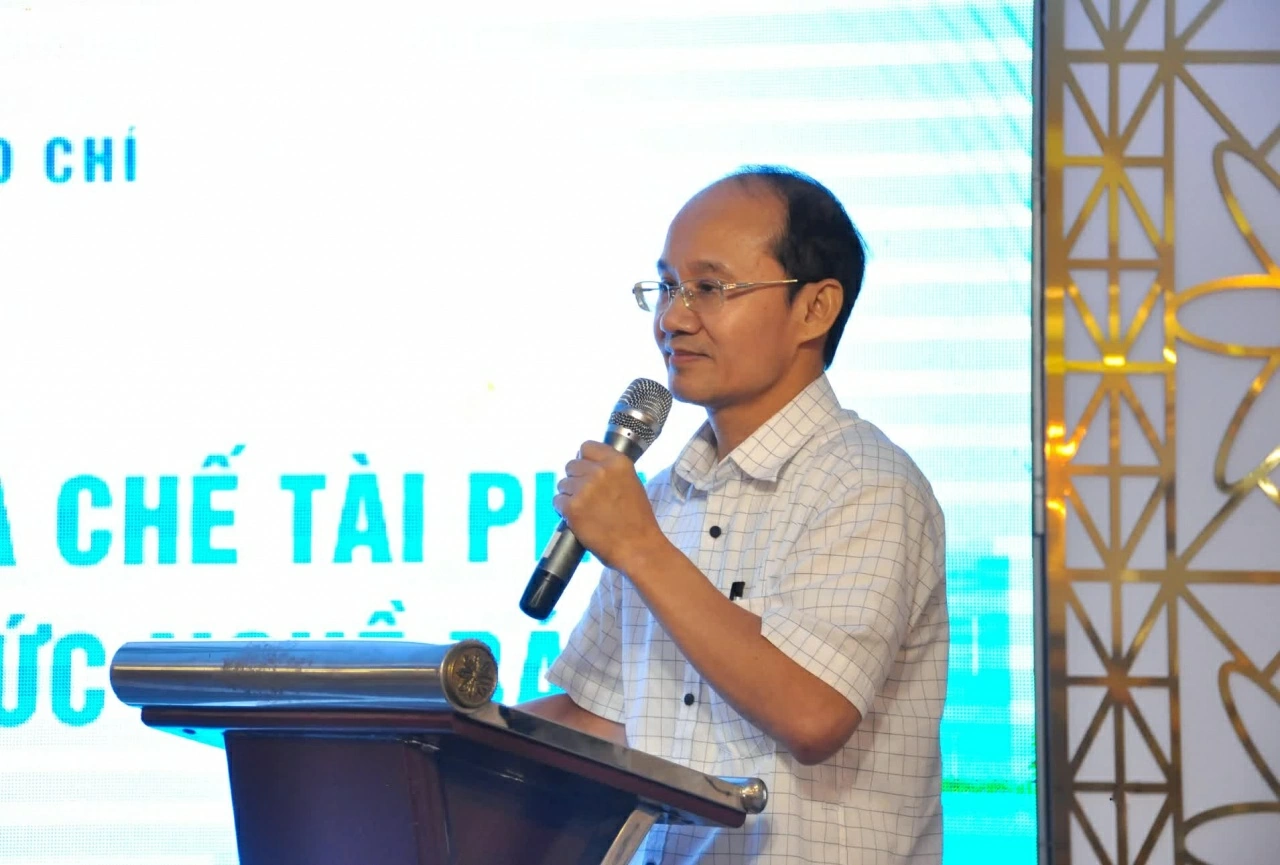 |
| Journalist Nguyen Quy Trong, Deputy Director of Hai Phong City Newspaper and Radio and Television, presents practical experience in journalism in the locality. (Photo: Trung Anh) |
Drawing on practical experience from local journalism, journalist Nguyen Quy Trong, Deputy Director of Hai Phong City Newspaper and Radio and Television, said the expansion of the digital environment is placing increasingly demanding requirements on journalists in their use of social media, as well as in receiving, verifying, and responding to information circulating online.
| More from WVR |
 National Press Festival 2026: Vietnamese journalism keeps pioneering flame in the new era National Press Festival 2026: Vietnamese journalism keeps pioneering flame in the new era |
According to Mr. Nguyen Quy Trong, professional responsibility must also be reflected in the way journalists participate in and share information on digital platforms, as posts made on social media can have a direct bearing on both individual credibility and the reputation of press agencies.
Against this backdrop, the Hai Phong media executive stressed the need for newsrooms to proactively establish clear awareness, principles, and standards governing journalists’ use of social media, while strengthening their ability to identify legal risks from the earliest stages of the journalistic process.
Practical experience shows that when mistakes arising from an incomplete understanding of legal requirements are discovered only after complaints or disputes emerge, the subsequent handling process can become considerably more complicated and may adversely affect the reputation of the press agency.
For that reason, professional training should connect legal provisions with concrete situations encountered in journalistic practice, enabling reporters and editors to develop the capacity to identify, assess, and address potential risks at an early stage rather than responding only after problems have already arisen.
Overall, across the three sessions of the seminar, delegates exchanged views and shared practical experience, focusing on legal issues and the requirements facing journalism as the profession adapts to a rapidly changing environment.
| Press Law No. 126/2025/QH15 was adopted by the 15th National Assembly on December 10, 2025, during its 10th session, and took effect on July 1, 2026. Among its notable new provisions are regulations concerning the position of revolutionary journalism, citizens’ right to request corrections, the expansion of journalistic activities in cyberspace, and new provisions on the press economy. For the first time, the law also establishes specific responsibilities for press agencies when using AI to collect, produce, edit, and distribute content, requiring them to verify information and review its accuracy and legality before publication. In addition, press cards are valid for five years from the date of issuance; from January 1, 2027, first-time recipients of press cards will be required to complete a journalism skills and professional ethics training course lasting at least five days, equivalent to 40 training hours. |
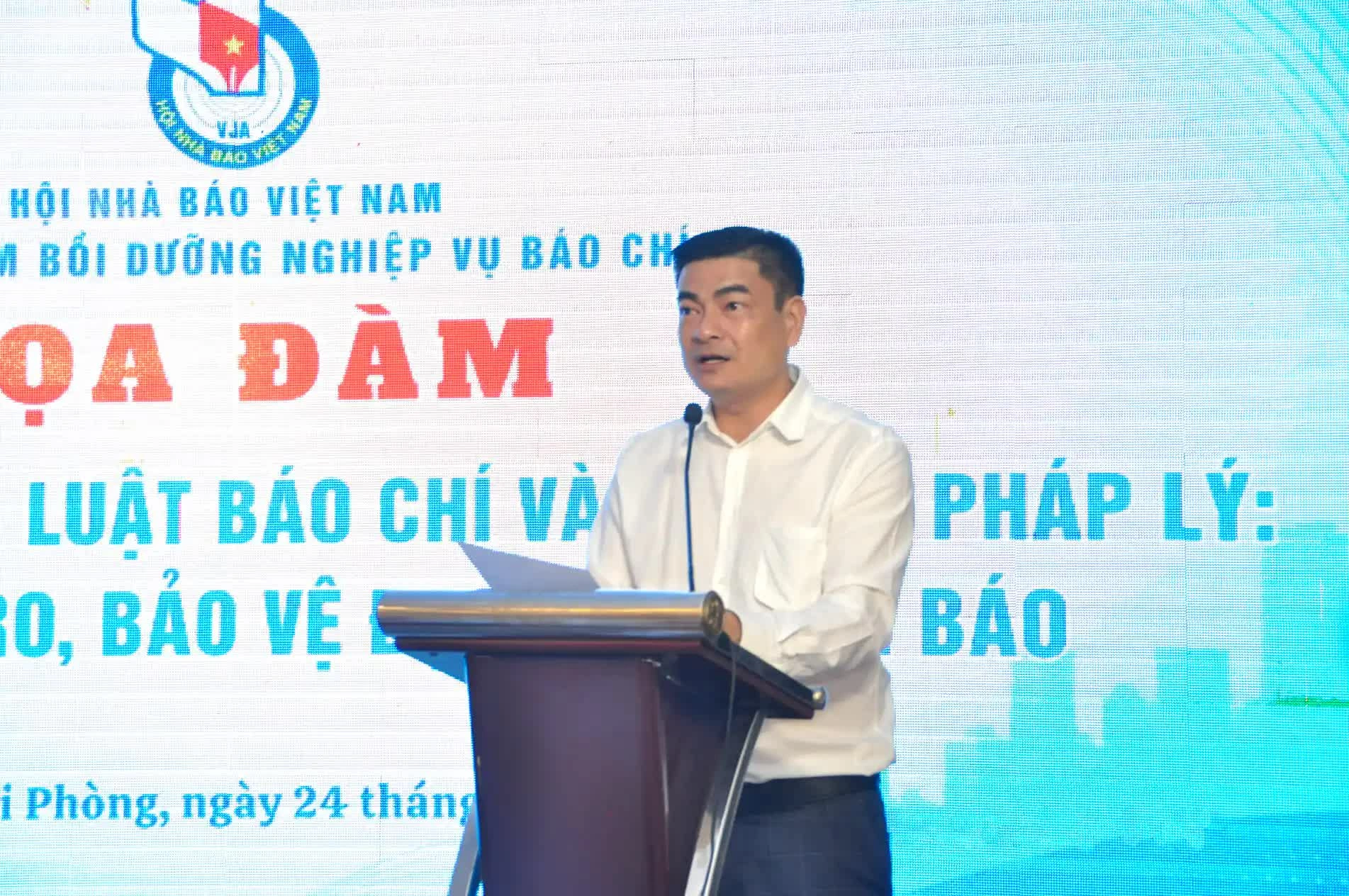
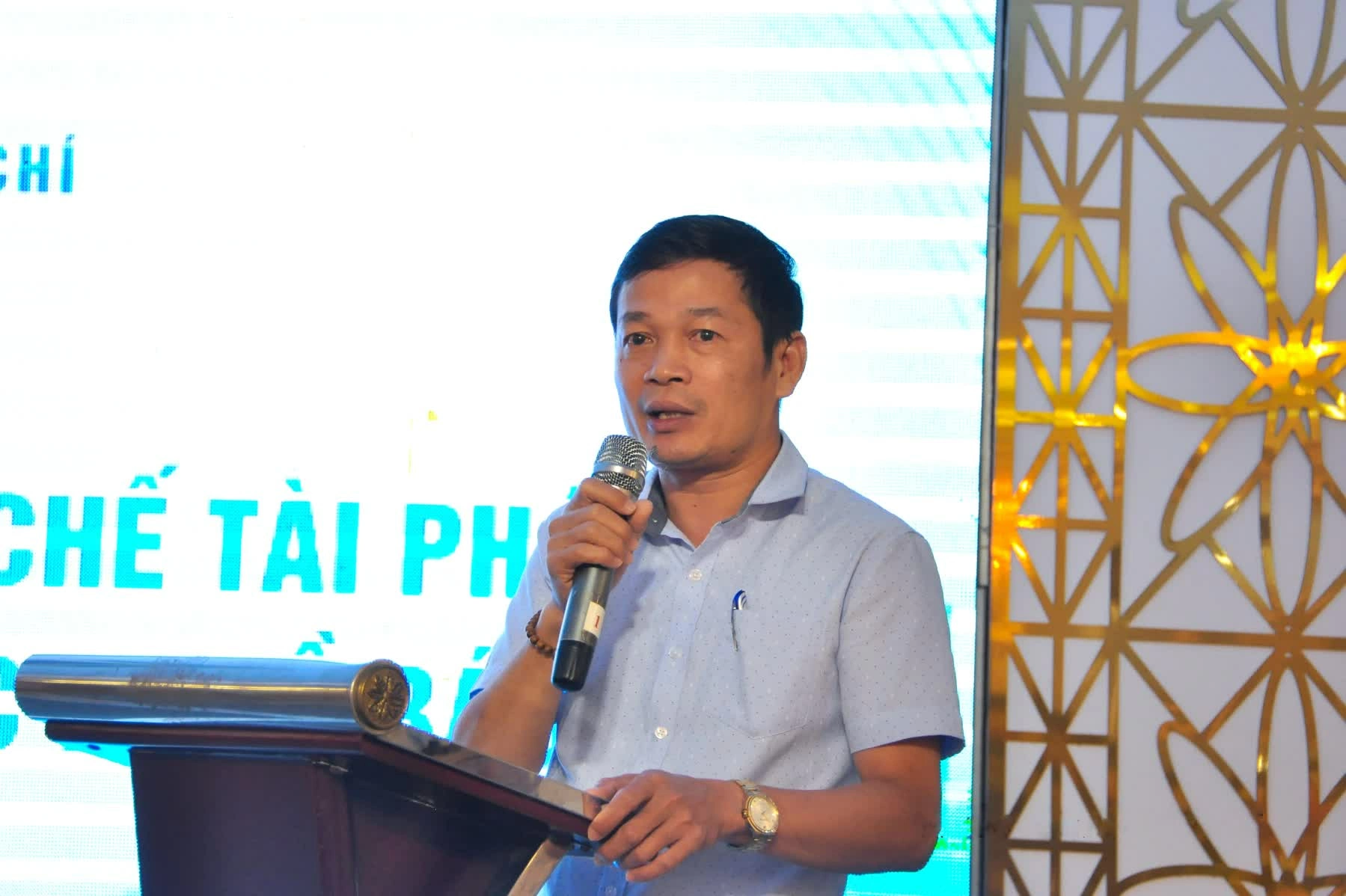
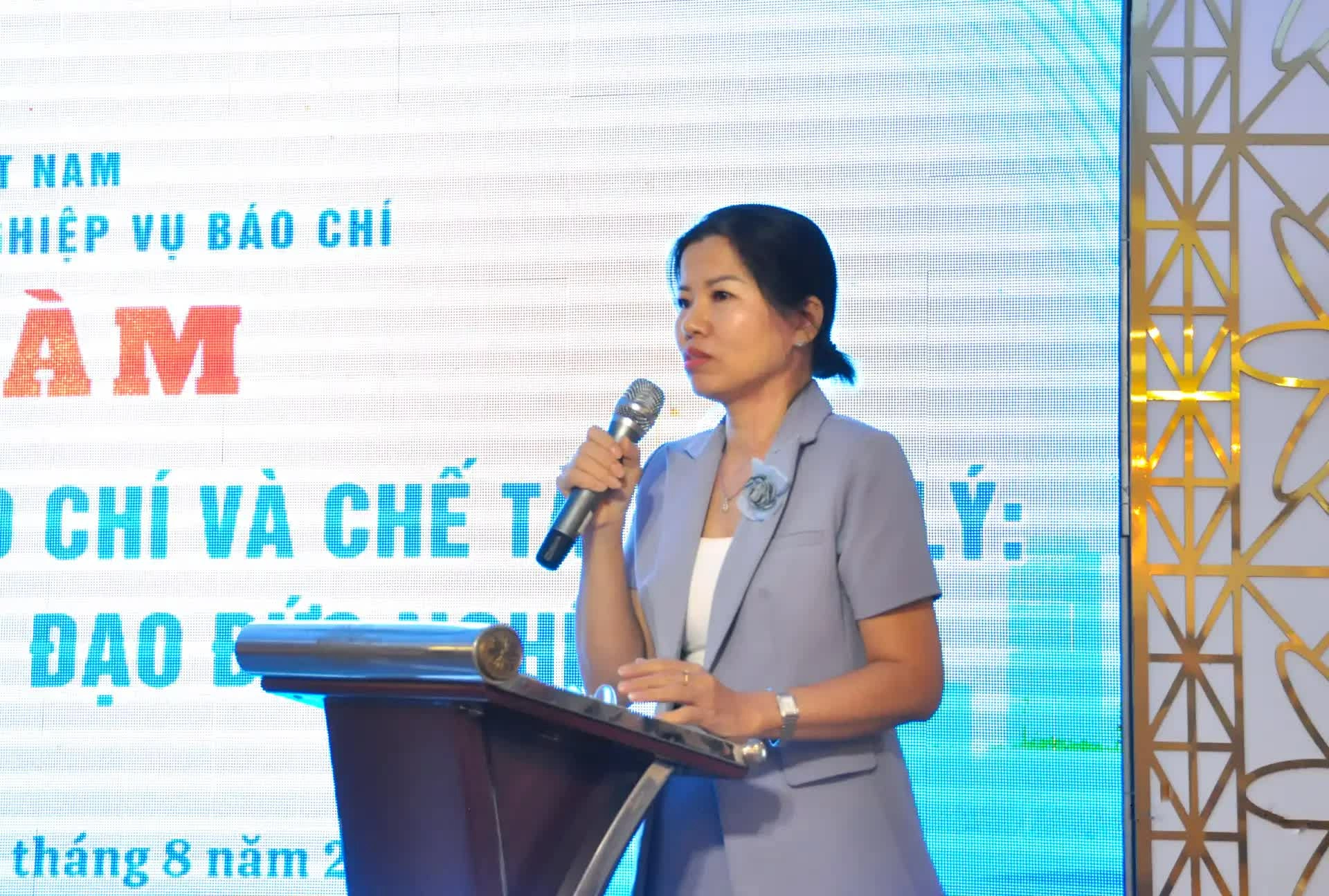
Some other images from the event:
 |
 |
 |
 |
 |

| National conference reviews journalism activities in 2022 A national journalism conference was held in Ho Chi Minh City on December 24 to review activities in 2022 and launch tasks for next year. |
| First national journalism award on gender equality started The 2024 national journalism award on gender equality, the first of its kind in Vietnam, was launched on the first day of November - the ... |
| Enhancing AI proficiency for journalism personnel It is necessary to complete a legal framework for AI in journalism, support the adoption of advanced technologies in newsrooms, and enhancing digital capacity among ... |

| External affairs Journalism: An elite force contributing to the building of a strong and prosperous Vietnam WVR - On the occasion of the 100th anniversary of Vietnam's Revolutionary Press, in her interview with the World and Vietnam Report, Deputy Minister of ... |

| The Academy of Journalism and Communication receives quality accreditation for 12 training programs On November 20, the Academy of Journalism and Communication held a ceremony to announce the decision and award quality accreditation certificates for 12 training programs ... |