





Vietnam-Alaska (USA): New cooperation directions from the North Pacific gateway
WVR - From September 21-24, Vietnamese Consul General in San Francisco (USA) Hoang Anh Tuan led a delegation from the Consulate General to visit and work in Alaska, one of the 11 western states of the USA under the jurisdiction of the Consulate General.
Latest
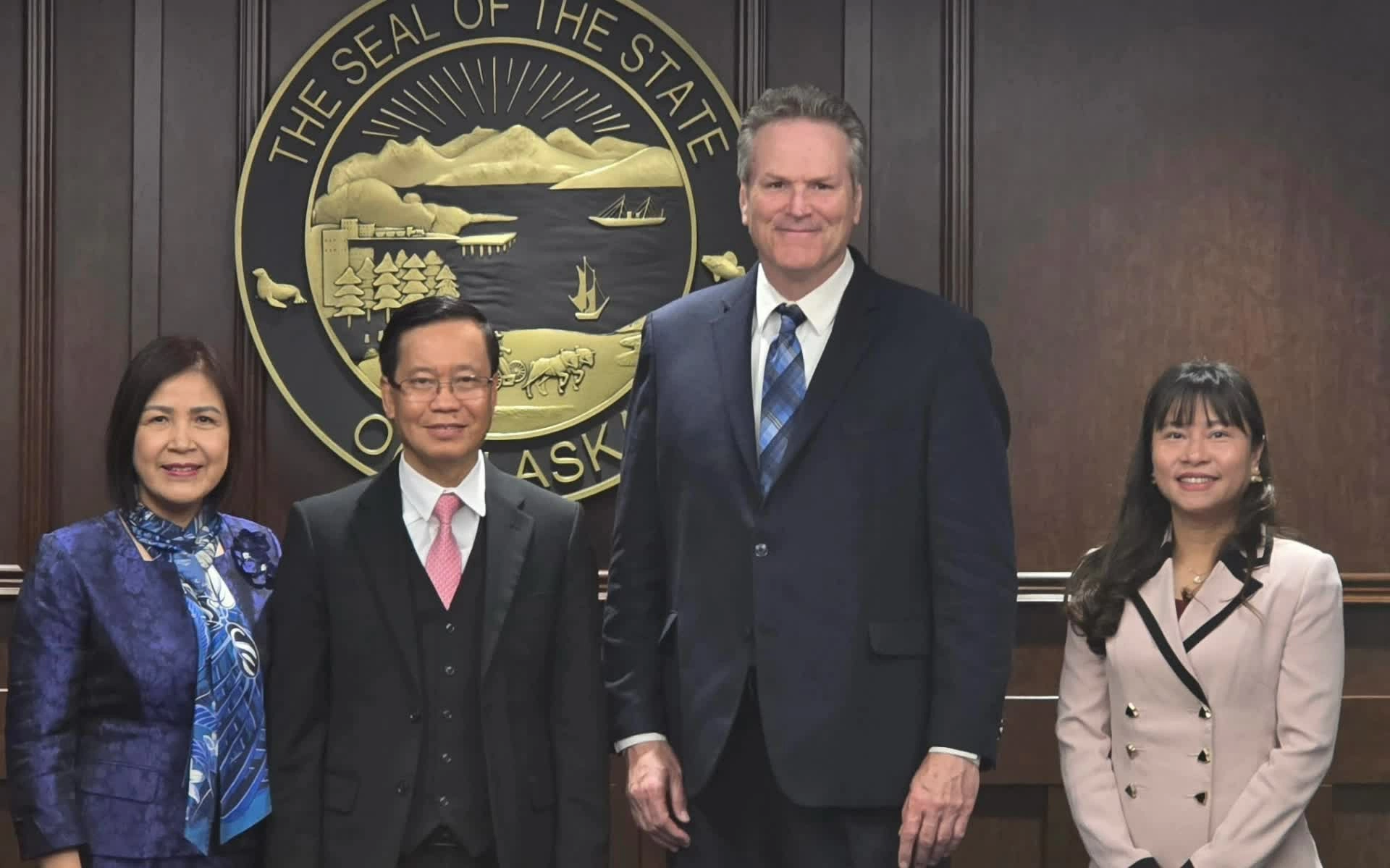 |
| Consul General Hoang Anh Tuan meets with Alaska Governor Mike Dunleavy, Anchorage, September 21. (Photo: Chu Van) |
Alaska and Vietnam: From Potential to Concrete Cooperation Directions
From the city of Anchorage to Matanuska-Susitna Valley, the trip opened up a space for potential cooperation, where Alaska's strengths in energy, resources, fisheries, education, and tourism can meet Vietnam's growing development needs, production capacity, and expanding market.
The official working program of the Consulate General's delegation began on the morning of September 21 with a meeting with Alaska Governor Mike Dunleavy in Anchorage. Both sides discussed areas that could add new content to the good Vietnam-Alaska relationship, primarily energy, fisheries, timber, and strategic minerals. A common theme in the discussions was complementarity: Alaska has abundant resources, while Vietnam has a significant demand for energy, raw materials, and a rapidly developing processing industry.
Energy is a top priority. Alaska is promoting the Alaska LNG project with an infrastructure investment of $44 billion to bring natural liquefied gas from Alaska's North Slope to the southern part of the state, serving domestic needs and aiming for export to global markets. For Vietnam, where energy demand continues to rise with industrialization, Alaska could be considered a long-term LNG supply source in the strategy to diversify import sources.
Governor Mike Dunleavy emphasized that Alaska possesses vast resources and is eager to expand relations with international partners, especially in the Asia-Pacific region.
Consul General Hoang Anh Tuan stated: “Alaska has energy, fisheries, timber, and minerals; Vietnam has a large market, increasing production and processing capacity, and a favorable position in Southeast Asia. The important thing is to connect the right businesses and needs so that these complementary strengths become specific projects and trade flows.”
Fisheries is an area that can be promoted soon. Alaska is famous for its premium cold-water seafood such as salmon, pollock, halibut, cod, king crab, and snow crab; Vietnam has a developed seafood processing industry and a wide export network with increasing domestic demand. Alaska's timber can also supplement raw materials for Vietnam's furniture and interior industry.
Governor Mike Dunleavy noted that Alaska is rich in mineral resources, with many large mining sites. The state is enhancing mining development – a major economic pillar playing a key role in the U.S.'s global strategic resource supply chain, especially in strategic mineral extraction. He believes Alaska's mining strengths are opening up directions for research and development of raw materials serving high-tech industries.
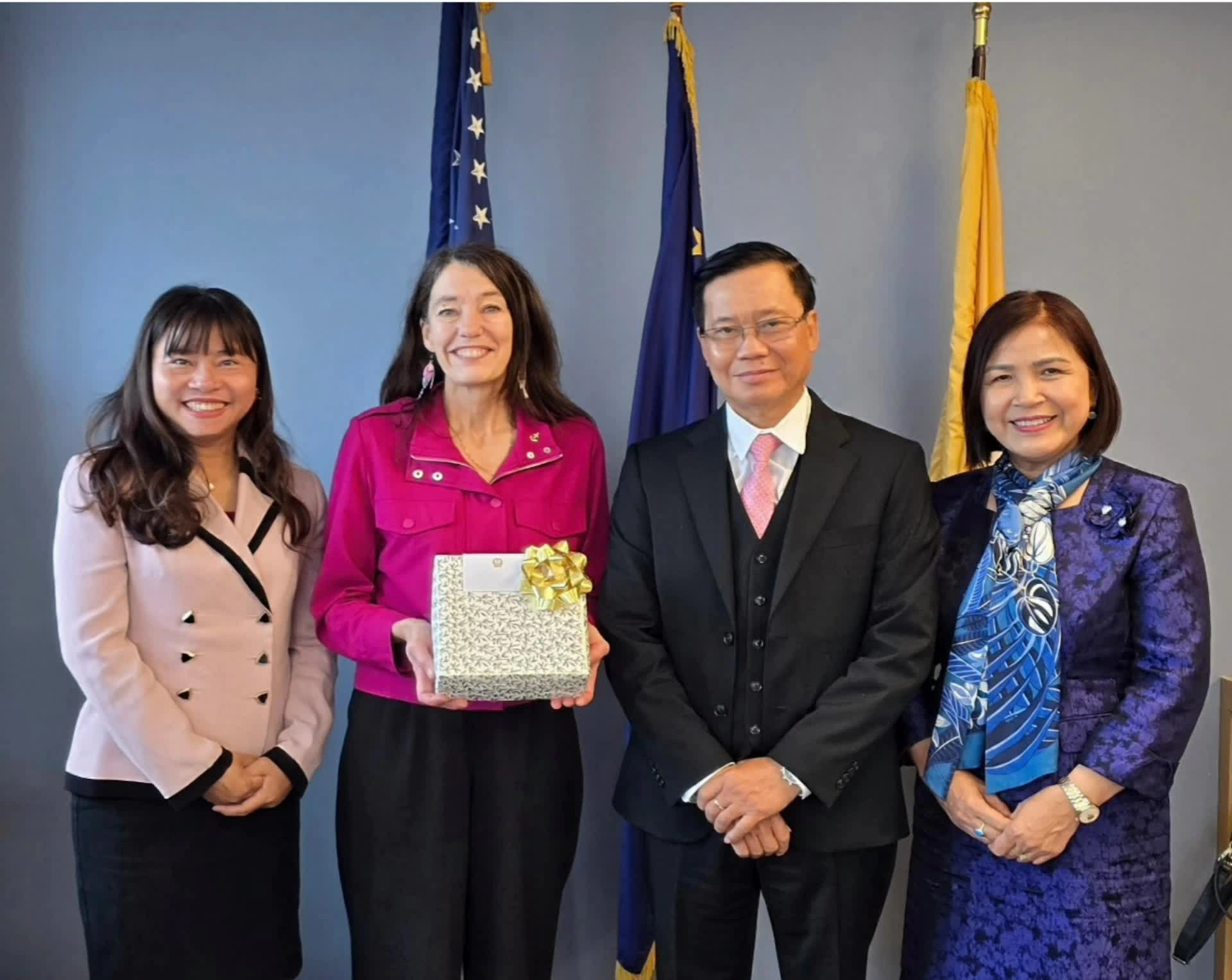 |
| Consul General Hoang Anh Tuan meets with Anchorage Mayor Suzanne LaFrance, Anchorage, September 21. (Photo: Chu Van) |
From Anchorage to Mat-Su: Connecting Localities, Businesses, and Supply Chains
In Anchorage, on September 21 and 22, the Consulate General's delegation in San Francisco also met with Anchorage Mayor Suzanne LaFrance; Jon Bittner, President and CEO of the Anchorage Economic Development Corporation (AEDC); Terry Umatum, Director of Alaska's Don Young Port, along with local business representatives. The discussions delved deeper into trade, investment, logistics, fisheries, energy, strategic mineral extraction, and the potential for Alaska businesses to access the Vietnamese and Southeast Asian markets.
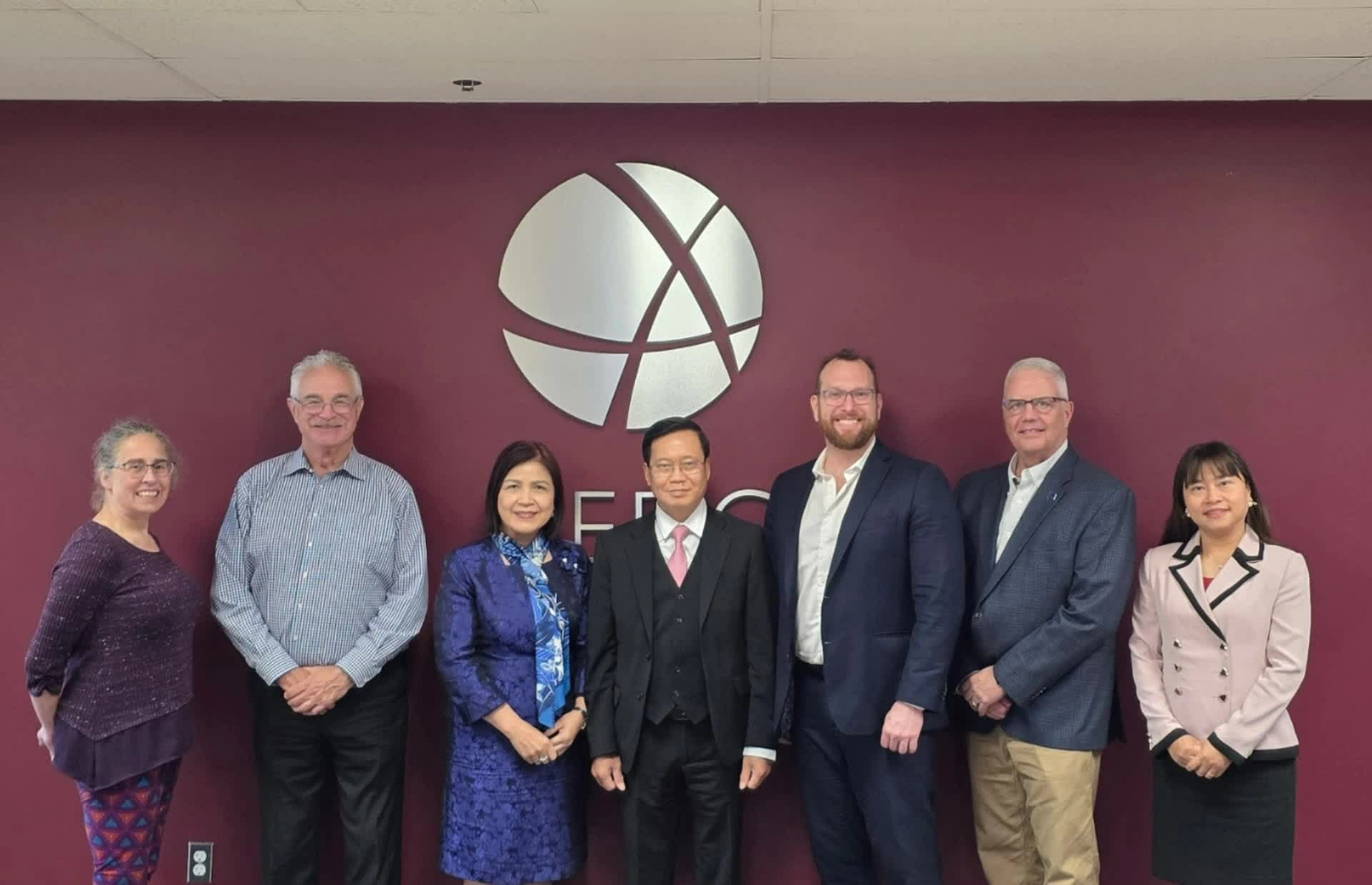 |
| The Consulate General's delegation in San Francisco meets with the leadership of the Alaska Economic Development Corporation and some businesses, Anchorage, September 21. (Photo: Chu Van) |
Anchorage serves as the “world's air crossroads” and a vital logistics hub connecting globally due to its unique geographical advantage on routes linking North America with Asia-Pacific. In a meeting with Alaska Air Cargo, the delegation discussed freight transport and Anchorage's role as a trans-Pacific air transport hub. At Alaska's Don Young Port, the delegation learned about the port's role in the state's economy, infrastructure modernization plans, and the potential to expand goods flows across the North Pacific. Port leaders noted that Alaska is importing cement from Vietnam, contributing to the state's construction projects. The discussions highlighted Anchorage's advantages in supporting seafood trade, raw materials, and goods requiring efficient logistics chains.
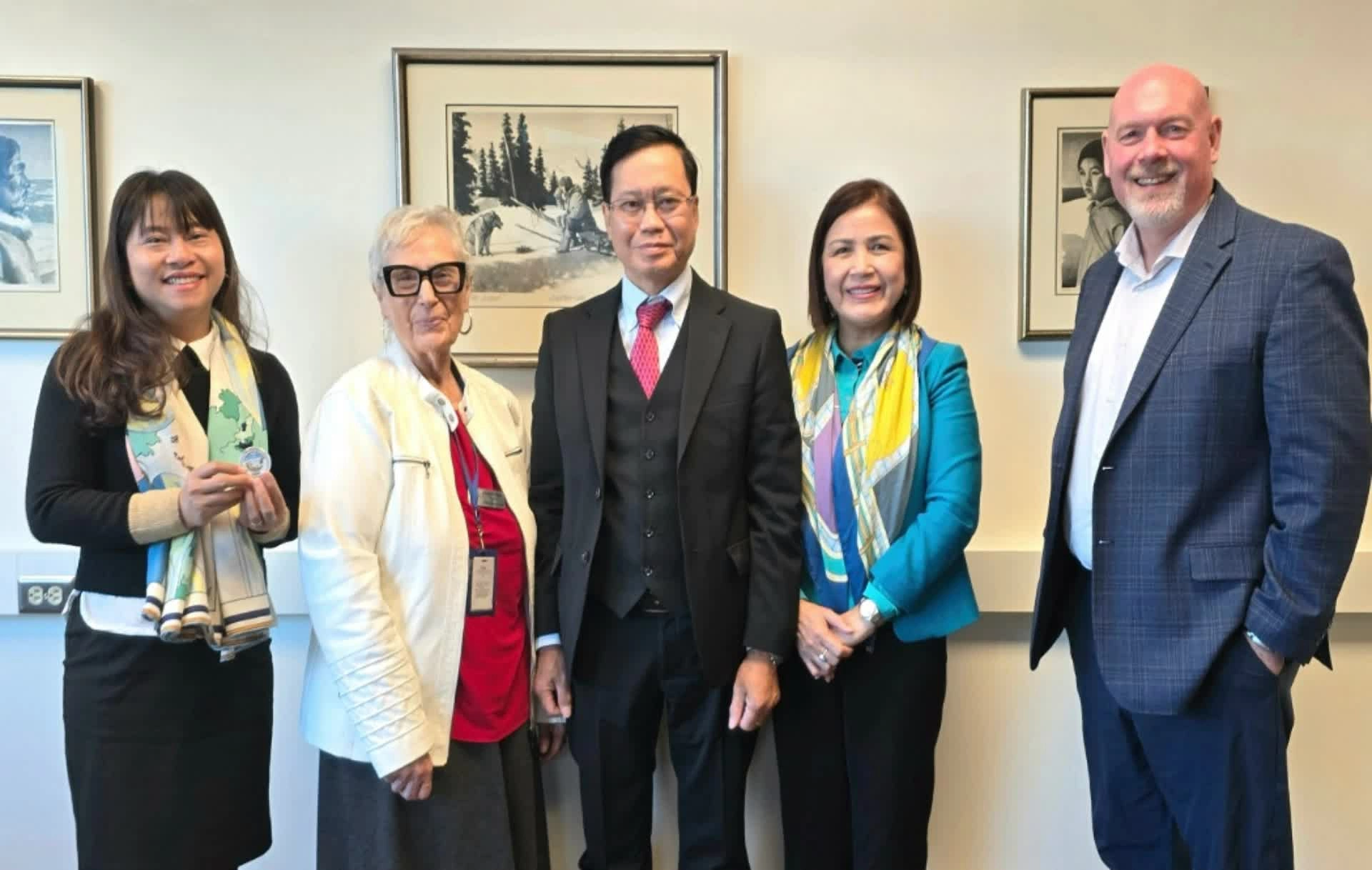 |
| The Consulate General's delegation meets with the leadership of Matanuska-Susitna Borough, Mat-Su Borough, September 23. (Photo: Chu Van) |
On September 23, the delegation visited Matanuska-Susitna Valley, working with the leadership of Matanuska-Susitna Borough (also known as Mat-Su Borough), Mat-Su College (part of the University of Alaska, Anchorage), the Chamber of Commerce of Palmer - Wasilla, and business representatives. Expanding the working program beyond Anchorage shows that cooperation is not only placed at the state level but also aimed at localities, businesses, and facilities capable of directly implementing projects.
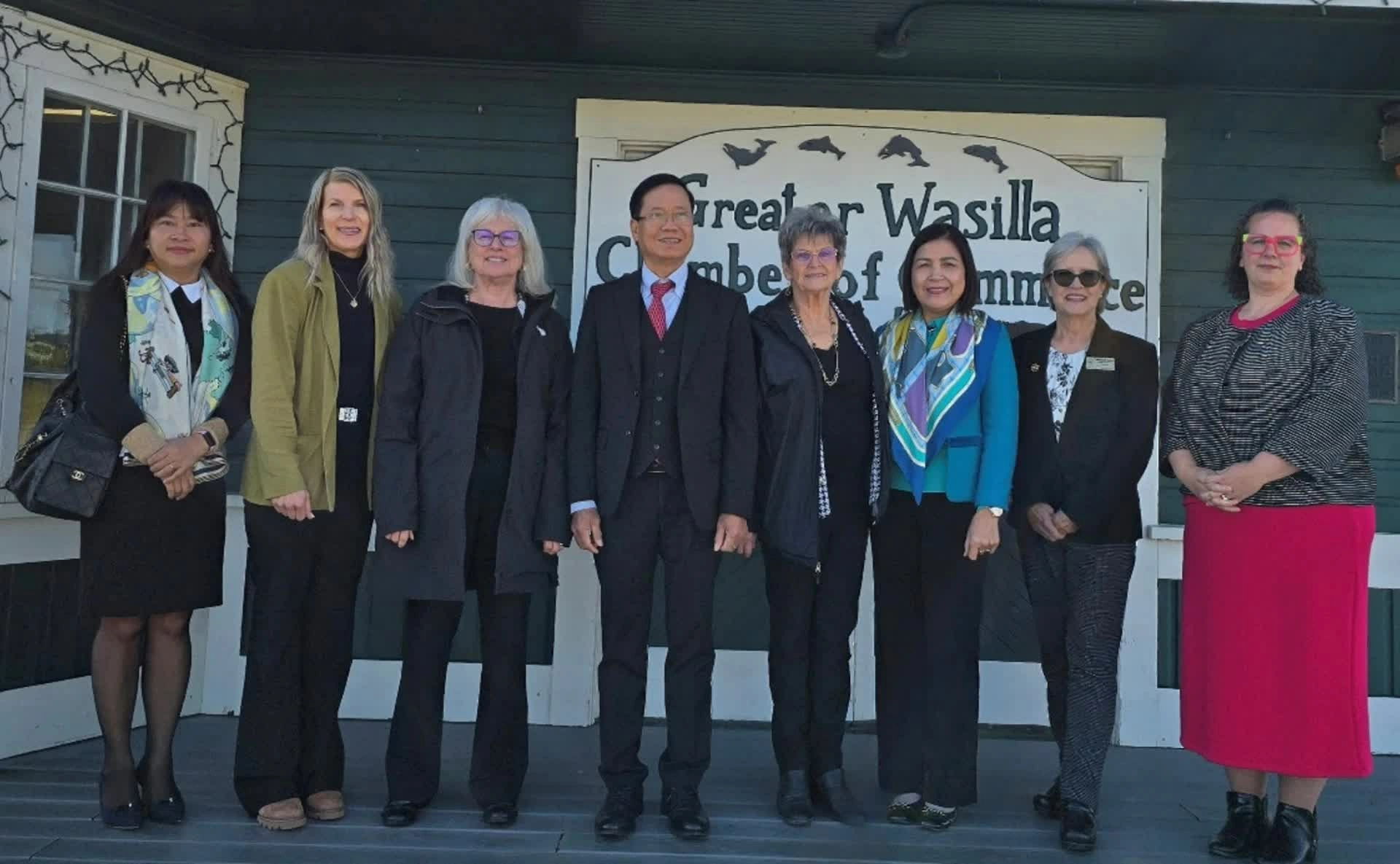 |
| Representatives of the Chamber of Commerce of Palmer - Wasilla meet and work with the delegation of the Vietnamese Consulate General, Wasilla, September 23. (Photo: Chu Van) |
According to Consul General Hoang Anh Tuan, “The measure of a local working trip is not the number of meetings, but the connections thereafter, how many businesses find each other, how many universities establish relationships, and how many opportunities can be turned into specific projects.” In that spirit, the Consulate General will continue to connect Alaska's focal points with Vietnamese partners, selecting fields with clear demand and potential for substantial results.
Vietnam-Alaska Education: Building Long-term Connections
Education and training are a focus of the trip. On September 22, Consul General Hoang Anh Tuan and the delegation worked with University of Alaska Anchorage (UAA) Chancellor Cheryl Siemers and school leaders, and Professor, Dr. Shannon Gramse, a Vietnamese language and history lecturer who has volunteered teaching at several universities in Vietnam. Both sides focused on the potential to establish direct cooperative relationships with Vietnamese universities.
UAA has strengths in mechanics, artificial intelligence, computer engineering, and electrical-electronics, fields where Vietnam has a great demand for high-quality human resources. According to information exchanged during the meeting, from the 2026-2027 academic year, international students will be charged tuition equivalent to Alaska students, with total tuition fees around $30,000-35,000 for four years, excluding accommodation and some additional costs. This is quite competitive compared to costs at many U.S. universities.
Chancellor Cheryl Siemers expressed readiness to promote cooperation with Vietnamese universities. A notable direction is the 2 2 model, where students study two years in Vietnam and two years at UAA, progressing to suitable joint degree programs. Both sides also discussed student and faculty exchanges, joint research, and connecting specialized departments.
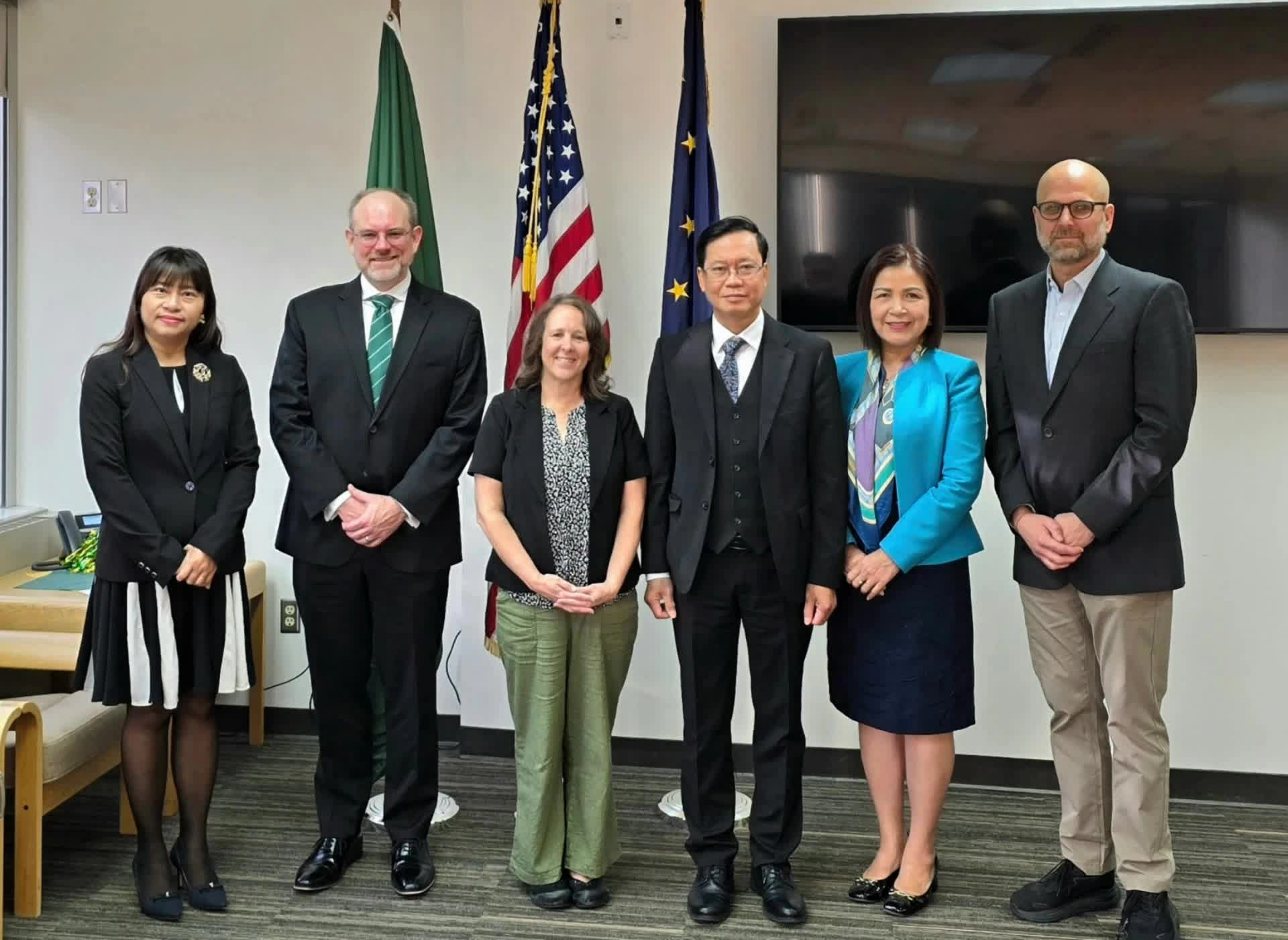 |
| Chancellor Cheryl Siemers and representatives of the University of Alaska, Anchorage (UAA) meet and discuss with the delegation of Consul General Hoang Anh Tuan, Anchorage, September 22. (Photo: Chu Van) |
The delegation also worked with Matthew Calhoun, Director of the Alaska Native Science and Engineering Program (ANSEP), and Mat-Su College Principal Marie Gardner, focusing on STEM, technical training, vocational training, and workforce development linked to business needs. Through discussions with ANSEP leaders and Professor Shannon Gramse, it was noted that UAA is very successful in developing education for indigenous communities in remote areas of Alaska. The Consulate General affirmed its readiness to connect UAA, ANSEP, and Mat-Su College with Vietnamese universities interested in cooperation.
“The value of educational cooperation is not just in a training program,” Consul General Hoang Anh Tuan emphasized. “It is also about creating generations of students, engineers, and scientists who understand each other, study and work together for many years. Therefore, education needs to become a long-term pillar of Vietnam-Alaska cooperation.”
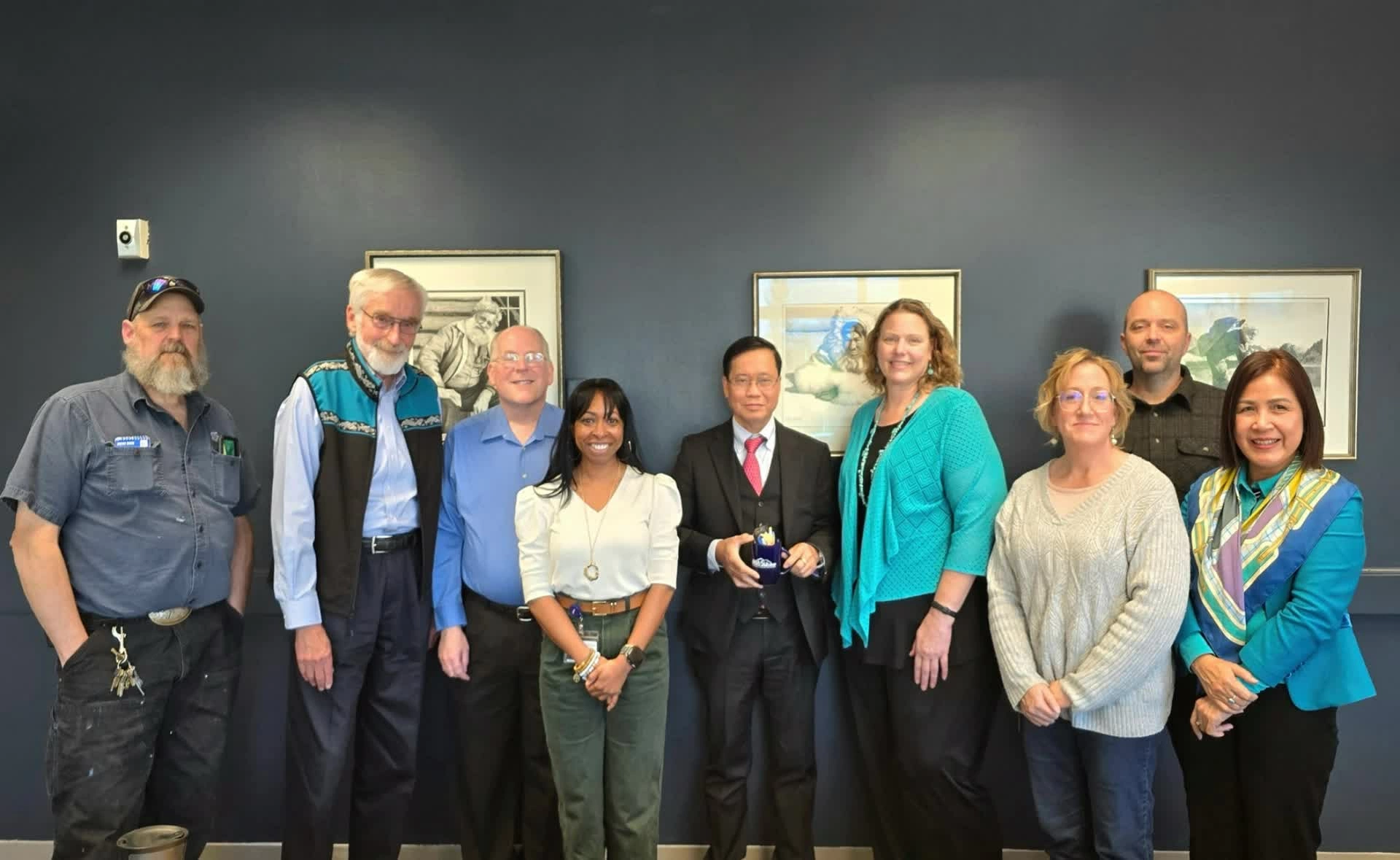 |
| Principal and representatives of Mat-Su College under UAA meet with Consul General Hoang Anh Tuan, Palmer, September 23. (Photo: Chu Van) |
Tourism and People-to-People Exchanges: Bridging Geographical Distances
Besides the economy and education, tourism is a promising area of cooperation. Alaska boasts unique landscapes with snowy mountains, glaciers, wildlife, indigenous culture, and the aurora borealis (Aurora/Northern Lights). Summer is suitable for nature journeys, ocean fishing, cruises, and road trips; winter offers snow experiences and aurora viewing. With the increasing demand for experiential tourism among Vietnamese people, Alaska could become a new and distinctive destination.
Conversely, Vietnam has many attractions for Alaskan tourists: warm climate, long coastline, culture, cuisine, and rich heritage system. Connecting travel companies, airlines, promotion agencies, and service businesses can create new tourism products while helping people learn more about each other's countries and people.
The visit to the Alaska Native Heritage Center on September 22 provided additional insights into how Alaska preserves the culture of indigenous peoples linked to educating the younger generation and developing tourism. This is also an area where experiences can be exchanged with Vietnam in preserving identity, promoting heritage values, and creating sustainable livelihoods for local communities.
Notably, the delegation also interacted and exchanged with Vietnamese students and some Vietnamese living and working in Anchorage, engaging in Vietnamese restaurant business and various fields.
Interactions during the trip also revealed an open and friendly Alaska. The state has a vast area, sparse population, and long distances between work points; many segments required the delegation to travel by car, a common practice among local officials and residents. Such direct experiences help increase understanding and provide a foundation for people-to-people exchanges.
Tourism and cultural exchanges may not immediately create large contracts but help deepen social relationships. As more Vietnamese learn about Alaska and more Alaskans learn about Vietnam, economic, educational, and investment connections also have more conditions to develop sustainably.
Leaving Alaska on September 24, the results of the Consulate General's delegation's work brought a clear follow-up program: implementing connections with partners on LNG, fisheries, timber, and minerals; promoting relations between UAA and Alaska's educational institutions with Vietnamese universities; exploring tourism cooperation; and maintaining communication channels with the state government, Anchorage, and Mat-Su cities.
Within the framework of the Vietnam-USA Comprehensive Strategic Partnership, the significance of local working trips lies in the ability to bring the strategic framework to specific addresses: a business, a port, a university, a project, or a student exchange program. Alaska and Vietnam are still geographically distant, but complementary benefits are creating new meeting points. The next task is to turn these meeting points into sustainable relationships and tangible results.