

Deepening the Vietnam-Belarus Strategic Partnership: Ambassador Nguyen Van Trung
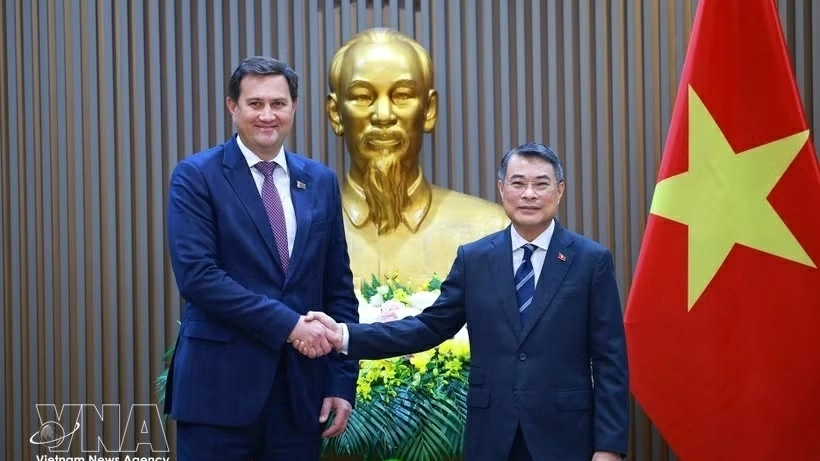
WVR - On the occasion of the official visit to Vietnam by the Minister of Foreign Affairs of the Republic of Belarus, Maxim Ryzhenkov (October 28-30), Vietnamese Ambassador to Belarus Nguyen Van Trung shared with The World and Vietnam Report about the key focuses of the visit and the prospects for bilateral cooperation in the new phase of development.
Latest
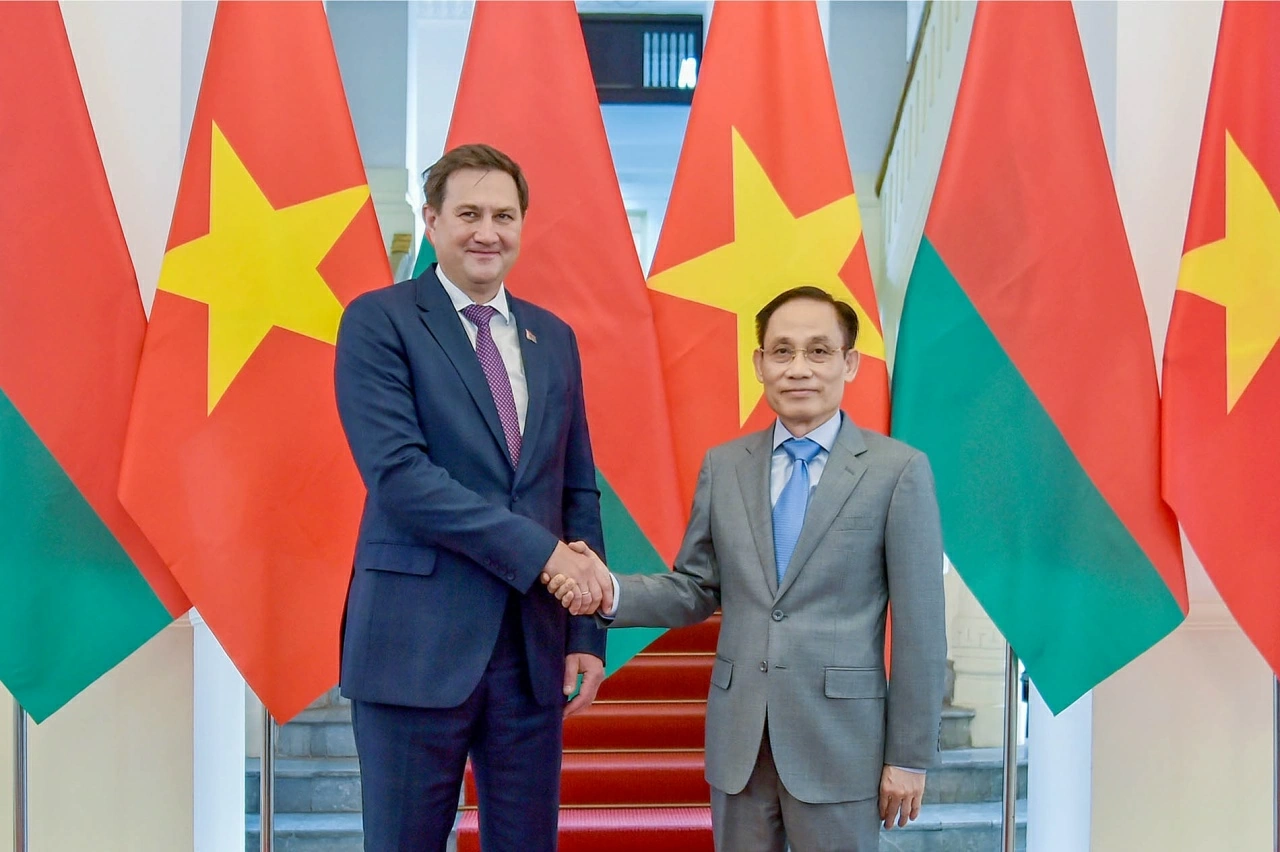 |
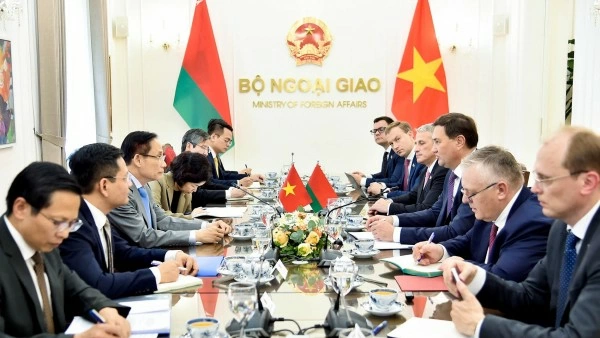
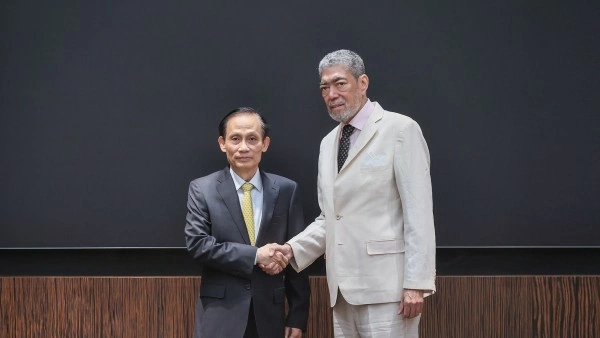
| Politburo Member and Minister of Foreign Affairs Le Hoai Trung welcomes Belarusian Foreign Minister Maxim Ryzhenkov on the morning of October 28, 2026. (Photo: Quang Hoa) |
Ambassador, could you elaborate on the significance and key focuses of the official visit to Vietnam by Belarusian Foreign Minister Maxim Ryzhenkov?
The official visit to Vietnam by Belarusian Foreign Minister Maxim Ryzhenkov holds great significance, taking place as both countries are implementing the Vietnam-Belarus Strategic Partnership framework, established during the state visit to Belarus by General Secretary and President To Lam in May 2025.
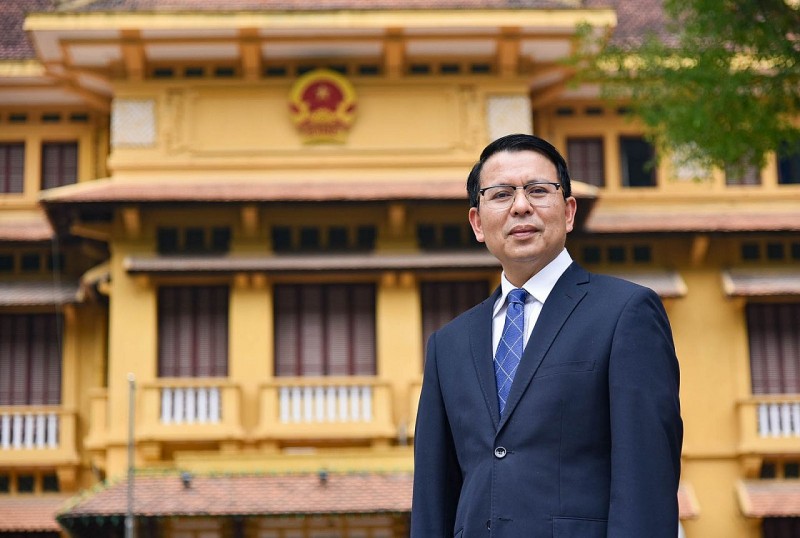 |
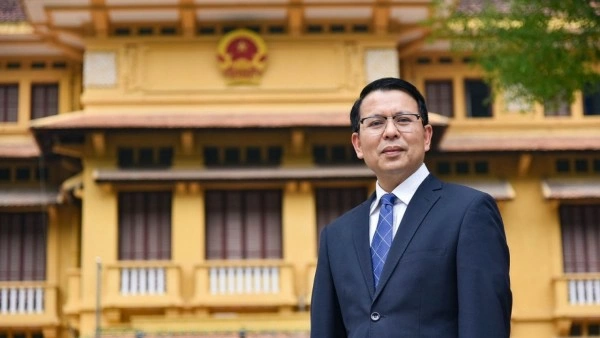
| Vietnamese Ambassador to Belarus Nguyen Van Trung. (Photo: Nguyen Hong) |
As the first visit to Vietnam by a Belarusian Foreign Minister since the upgrade of bilateral relations, this is an opportunity for the foreign affairs leaders of both countries to review the implementation of agreements between the high-level leaders of the two countries, as well as the Cooperation Agreement between the two Ministries of Foreign Affairs, thereby promoting bilateral relations to become deeper, more substantive, and effective.
The visit's key focuses also include measures to strengthen political trust, enhance delegation exchanges, especially high-level delegations, and promote cooperation through Party, parliamentary, security, defense, and people-to-people diplomacy channels.
Both sides can also discuss measures to overcome difficulties, expand and enhance the effectiveness of existing cooperation mechanisms, while seeking new growth drivers. Thus, the visit contributes to deepening the traditional friendship between the two countries, towards the 35th anniversary of diplomatic relations in 2027. The Foreign Ministers of the two countries will also exchange views on international and regional issues and diplomatic coordination efforts at multilateral forums.
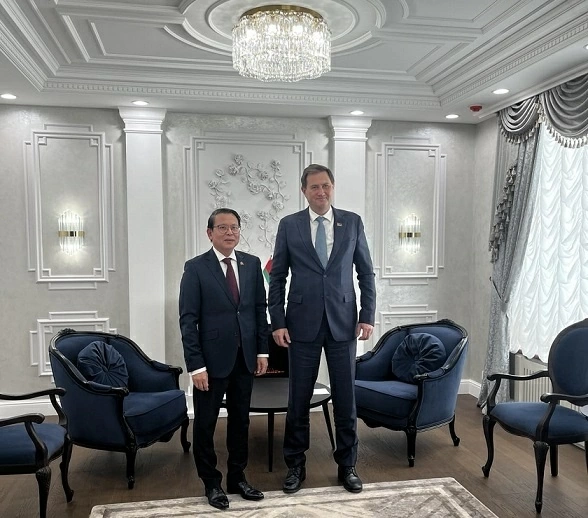 |
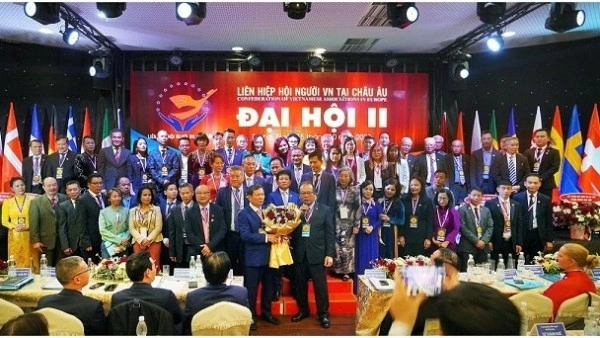
| Belarusian Foreign Minister Maxim Ryzhenkov meets Ambassador Nguyen Van Trung ahead of the visit to Vietnam. (Source: Vietnamese Embassy in Belarus) |
Ambassador, how do you assess the substantial changes in bilateral cooperation since the establishment of the Strategic Partnership in May 2025?
The year 2025 and the early months of 2026 can be considered a pivotal phase in the history of Vietnam-Belarus relations. The most significant event was the state visit to Belarus by General Secretary and President To Lam (then General Secretary) in May 2025. During the visit, the two countries decided to upgrade their relations to a Strategic Partnership, opening a new phase of development with a long-term strategic vision and broader cooperation in the 21st century.
Immediately after the visit, both sides actively implemented high-level agreements, developed and executed a roadmap for the development of the Strategic Partnership and a cooperation plan between the two Ministries of Foreign Affairs; at the same time, they increased delegation exchanges and contacts at various levels, from central to local.
In the fields of economy, trade, and investment, bilateral cooperation has shown clear signs of improvement. Both sides have organized numerous activities to promote economic cooperation. Some cooperative projects have made encouraging progress, including the project to produce and assemble Belarus-branded tractors in Vietnam, along with the opening of flight routes serving tourism from Minsk to Phu Quoc and the regular Minsk-Nha Trang route by Belavia Airlines.
Industrial cooperation continues to be a field with rich potential. Many Belarusian enterprises are increasing their presence in Vietnam. The MAZ automobile corporation is expanding its joint venture to assemble vehicles in Hung Yen, while also participating in Vietnam Expo to showcase new-generation transport vehicles, including electric vehicles that meet the needs and environmental standards of the Asian market.
Cooperation in science, technology, and innovation is particularly emphasized. The two countries have held the 12th session of the Joint Committee on Science and Technology Cooperation, approving the Cooperation Program for the 2027-2028 period with a list of projects and priority areas, especially in strategic technology fields.
In the areas of security, defense, education, cultural exchange, people-to-people exchanges, and activities to foster traditional friendship between the two peoples, bilateral cooperation has also seen positive changes.
I believe the most important outcome is not only in specific numbers or projects but also in the fact that the two countries have built a more solid foundation of political trust, creating new momentum for cooperation in all fields, thereby helping the Strategic Partnership framework increasingly bring practical benefits to the people and business communities.
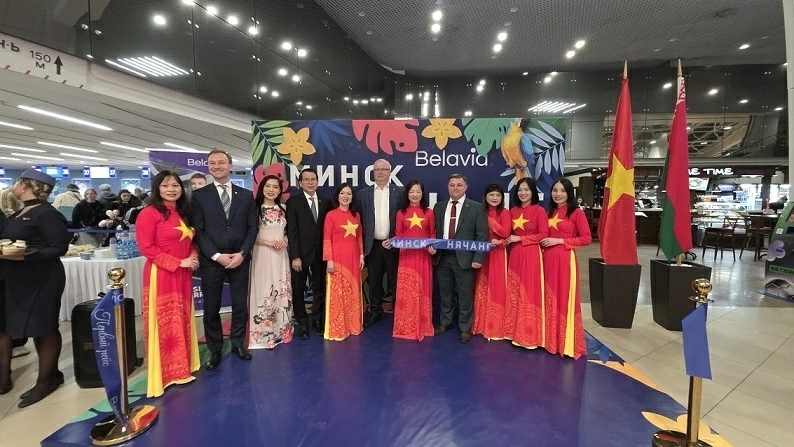 |
| Ambassador Nguyen Van Trung attends the inauguration of the direct flight route Minsk - Nha Trang. (Source: Vietnamese Embassy in Belarus) |
In the current new development context, Ambassador, what potential can the two countries unlock in new areas of cooperation?
In the new development context, Vietnam and Belarus have ample room to expand cooperation in an innovative direction, leveraging each other's complementary strengths and meeting the development needs of each country. First, both sides can focus more on areas such as digital transformation, information technology, artificial intelligence, cybersecurity, biotechnology, high-tech agriculture, pharmaceuticals, and high-tech industrial production.
In addition, cooperation in logistics, transportation, e-commerce, and supply chain connectivity can enhance market access for businesses in both countries. Vietnam and Belarus can also strengthen expert exchanges, human resource training, cooperation between universities and research institutions, and expand cultural, tourism, and people-to-people exchanges.
The important thing is for both sides to move from identifying “potential” areas to building a specific project list, with clear lead agencies, timelines, and coordination mechanisms. By effectively leveraging the roles of intergovernmental mechanisms, businesses, localities, and the Vietnamese community in Belarus, bilateral cooperation will gain additional momentum for deep, substantive, and sustainable development.
I believe the most crucial requirement now is to translate political determination into specific programs, projects, and benefits for businesses, localities, and the people of both countries, thereby creating additional momentum for the Vietnam-Belarus Strategic Partnership.