




Connecting the Mekong – From a shared river to a shared development space
WVR - Following the flow of the Mekong, one can see how the upstream water season and the rice season in the delta are intertwined, Foreign Minister Le Hoai Trung wrote. The World and Vietnam Report is pleased to introduce the Foreign Minister's article.
Latest
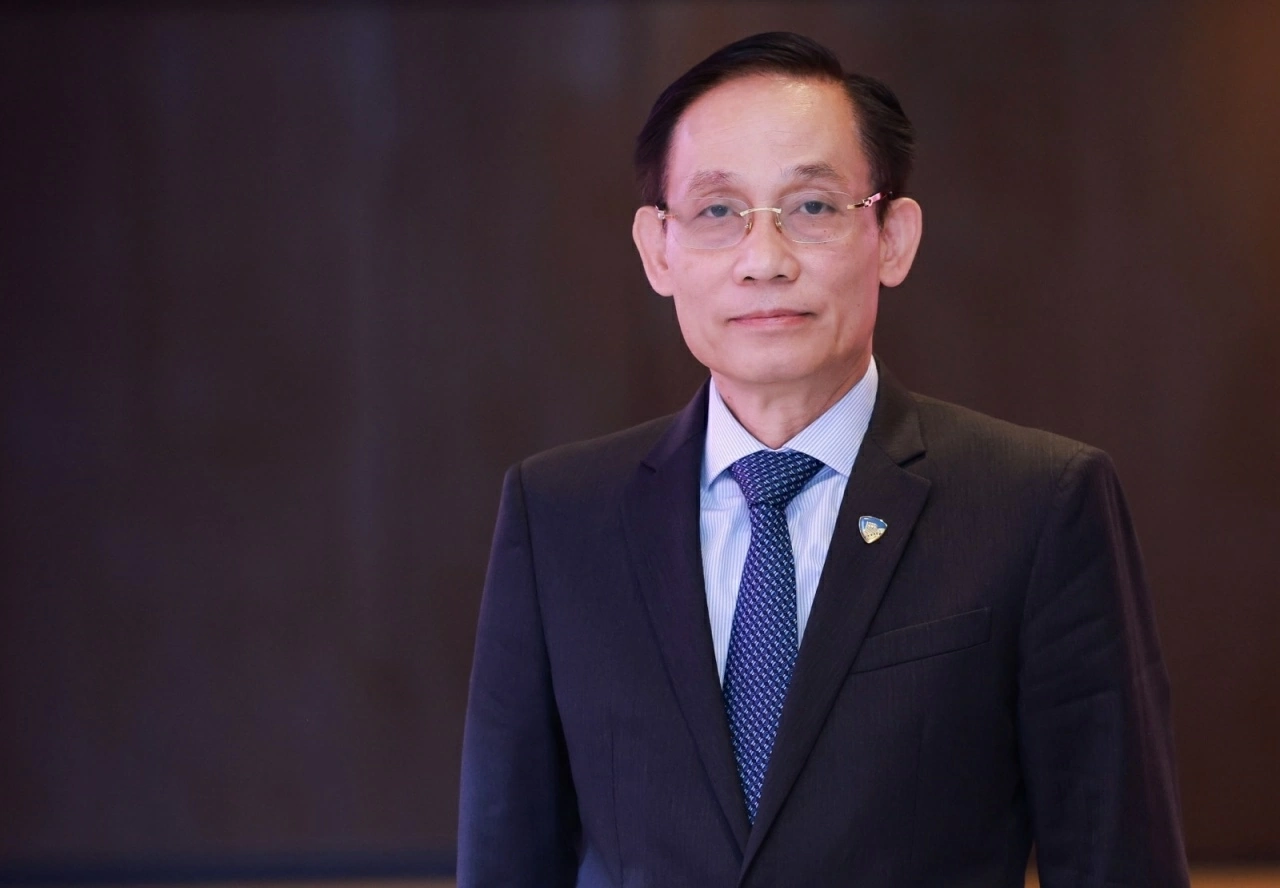 |
| Politburo Member, Minister of Foreign Affairs Le Hoai Trung, Head of the Organizing Committee for the 12th CLMV Summit and the 11th ACMECS Summit. (Photo: Bao Chi) |
Along economic corridors, open border gates or seamlessly connected river and sea ports can pave the way to markets for production areas hundreds of kilometers away, crossing national borders. Geographic proximity, historical depth, and cultural similarities have bonded the peoples of the Mekong sub-region for generations, linking the future of each country to the development of the entire sub-region.
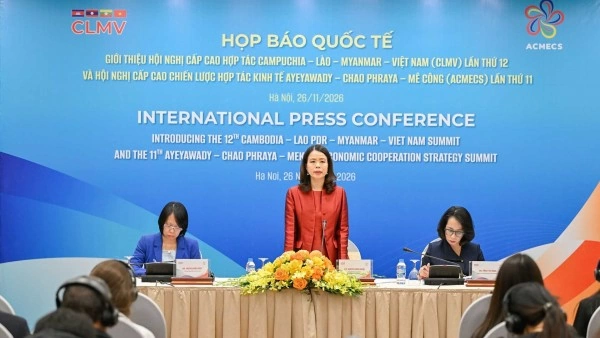
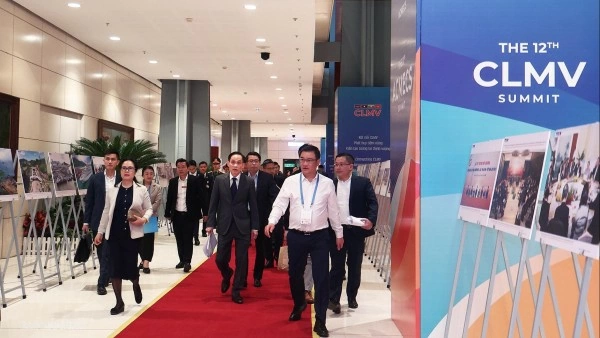
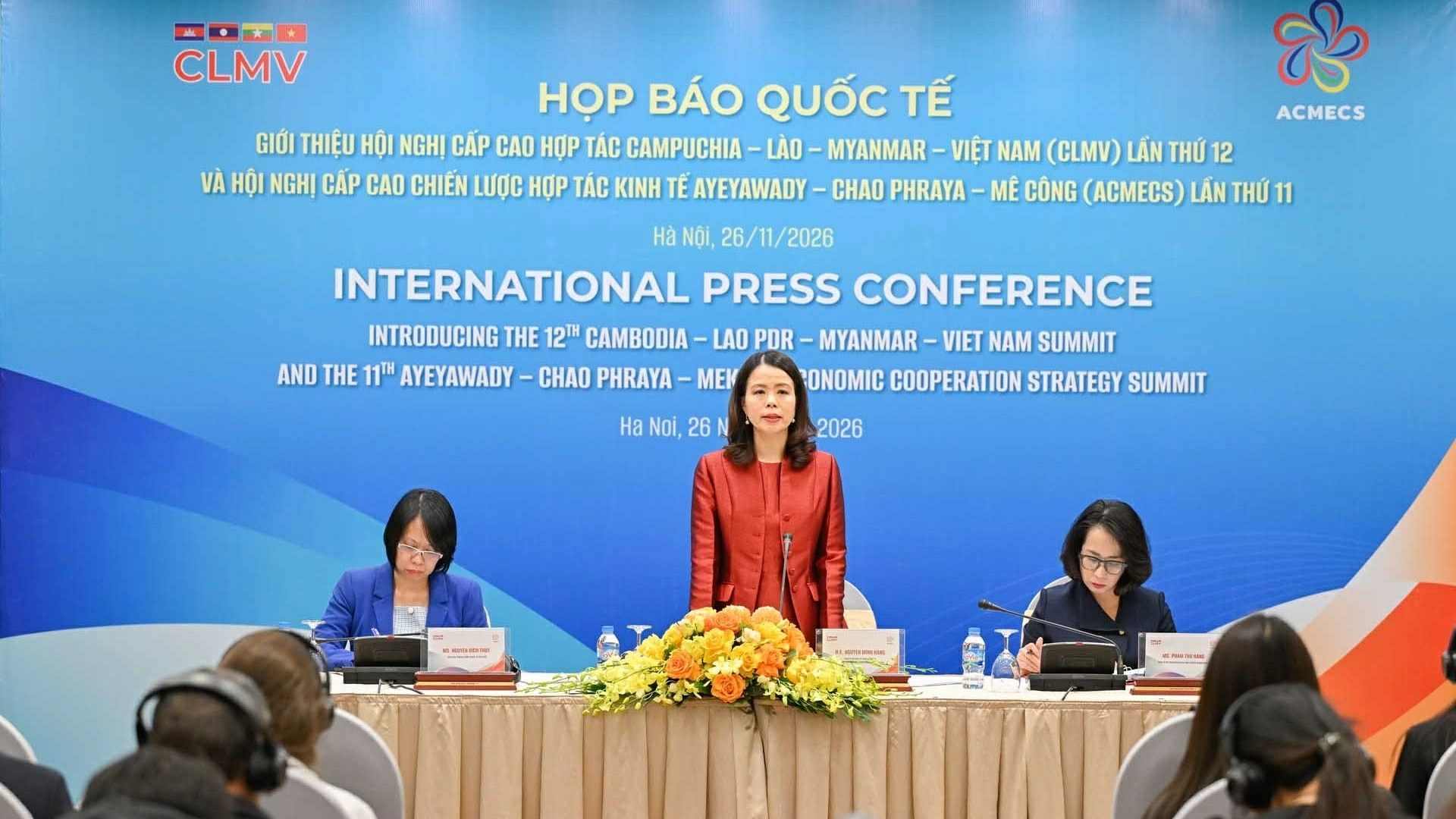
Transforming this closeness into a development advantage for each country and creating a collective strength for the entire Mekong sub-region is the spirit of cooperation that Vietnam wishes to promote with other countries at the 12th Cambodia-Laos-Myanmar-Vietnam (CLMV) Cooperation Summit and the 11th Ayeyawady-Chao Phraya-Mekong Economic Cooperation Strategy (ACMECS) Summit, to be held in Hanoi, Vietnam on November 28.
CLMV and the journey to narrow the development gap
The CLMV cooperation was established in 2004 in the context of four countries facing the need to accelerate development to keep pace with ASEAN integration. Over more than 20 years of operation, CLMV cooperation has achieved significant results, contributing to the promotion of trade, investment, transportation connectivity, and people-to-people exchanges among members, strengthening trust and cooperation among Mekong countries in addressing common challenges.
The CLMV Development Framework (2020) sets the goal of becoming high middle-income economies by 2030 and forming a competitive production and investment hub. From countries that joined ASEAN later, the four nations have collectively defined their desired position in the regional economy.
According to ASEAN Secretariat data, by 2025, the trade exchange of the four CLMV countries with the world is expected to reach approximately USD 1,040.7 billion, contributing 23.8% of ASEAN's total trade value with the world. The CLMV countries are becoming attractive destinations for foreign investment, with FDI expected to reach about USD 30.5 billion in 2025, an increase of 11.4% compared to 2024. Capacity-building programs have supported the CLMV countries in effectively implementing free trade agreements of which the four countries are members.
During the 2021-2025 period, the ASEAN Integration Initiative (IAI) implemented 120 projects supporting the CLMV countries in areas such as high-tech agriculture, trade facilitation, e-commerce, MSME support, vocational training, healthcare, and intellectual property.
These projects received support from Singapore and several development partners such as the Republic of Korea, Japan, Australia, Germany, the European Union (EU), and Switzerland, with a total contribution of approximately USD 26.41 million. Twenty-five projects are continuing in 2026.
Additionally, there are achievements with long-term significance beyond an economic cycle. Since 2009, Vietnam has annually provided scholarships for Cambodian, Lao, and Myanmar students within the CLMV framework.
In the CLMV Chairmanship year 2026, Vietnam and other countries approved a Joint Action Plan on Tourism Cooperation for the 2026–2028 period at the CLMV Ministerial Meeting in August 2026 in Ho Chi Minh City. The four countries have an additional mechanism to jointly promote heritage and involve heritage-preserving communities more deeply in promoting tourism as a growth driver.
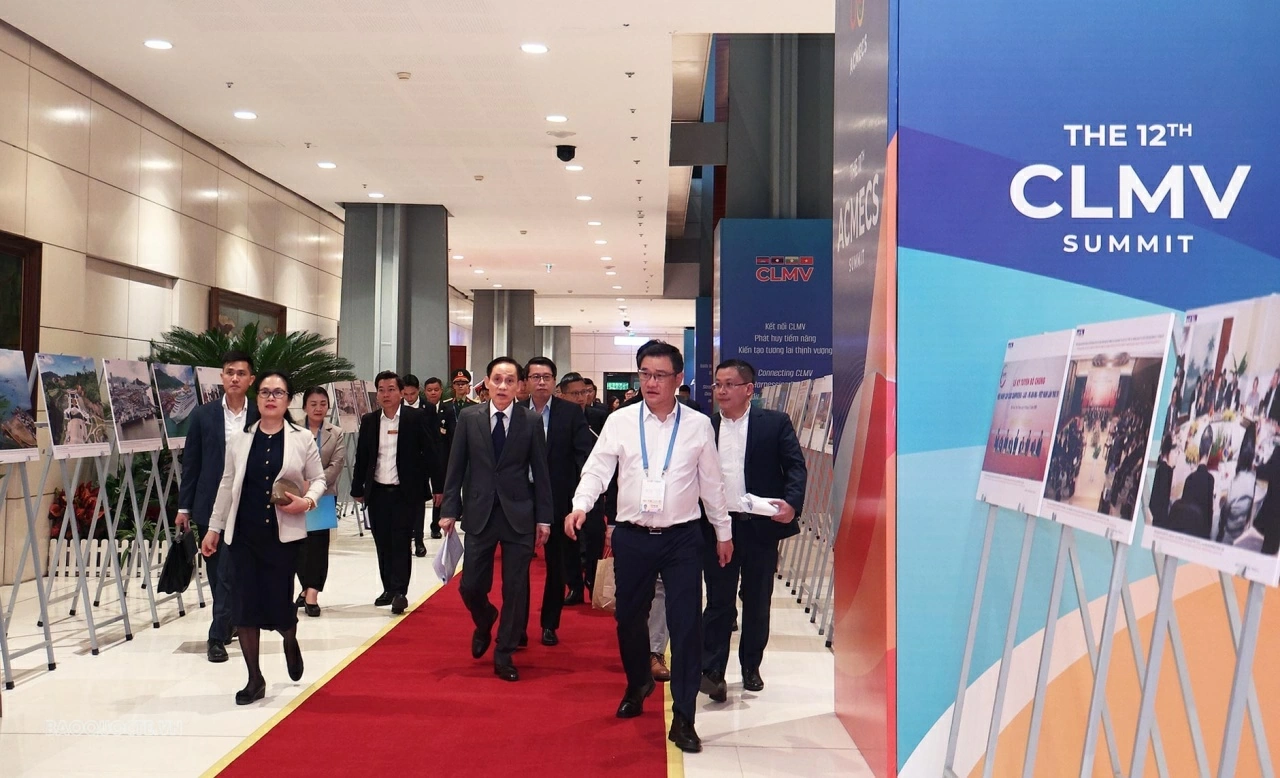 |
| Politburo Member, Minister of Foreign Affairs Le Hoai Trung, Head of the Organizing Committee for the 12th CLMV Summit and the 11th ACMECS Summit, rehearsing the organization of the Summit, afternoon of November 27. (Photo: Thanh Long) |
ACMECS and the unified voice of the five Mekong countries
ACMECS is the only intra-regional cooperation mechanism in the sub-region that fully gathers all five Mekong countries – Cambodia, Laos, Myanmar, Thailand, and Vietnam.
The strategic value of this mechanism lies in the autonomy of the five countries in determining common interests and choosing ways to cooperate with external partners. The ACMECS Master Plan for 2019-2023 clearly reflects this approach by placing infrastructure connectivity alongside economic policy coordination and smart, sustainable development.
A route only realizes its full value when goods can pass through border gates smoothly and businesses on both sides can engage in long-term trade.
In recent years, ACMECS members have achieved some successes in expanding partnerships and striving to attract international interest to mobilize resources for development, especially in areas such as renewable energy, water resource management, air pollution, digital economy, digital trade, and combating cybercrime. Japan supports projects to recover small and medium-sized enterprises post-Covid-19 pandemic.
The Republic of Korea supports projects to harmonize regulations to facilitate cross-border trade. The Mekong countries identify needs, while partners can provide resources and expertise where needed.
Connecting visions, seizing opportunities, and creating new growth drivers for the Mekong Sub-region
Ten years since Vietnam first hosted the 8th CLMV Summit, CLMV is at a turning point with many challenges intertwined with opportunities.
Supply chains are being reorganized, digital technology is changing how businesses access markets, and green transformation is setting new conditions for production and investment. For the Mekong, the great opportunity is to retain more value where products are made. CLMV has experience in workforce training and business connectivity.
ACMECS has the ability to gather all five countries for comprehensive coordination and mobilize partners to invest together. These two strengths converge in the goal of serving businesses and people, jointly promoting sustainable development in the Mekong sub-region.
This is the first official multilateral event Vietnam hosts after the 14th Party Congress, implementing the foreign policy of independence, self-reliance, resilience, peace, friendship, cooperation, and development, multilateralizing and diversifying foreign relations, being a responsible partner of the international community.
Vietnam's hosting of these two Summits is significant in affirming its proactive, active, and responsible contribution to Mekong sub-regional cooperation, helping to expand development space, enhance economic, trade, and investment connectivity; promoting friendly relations and cooperation with neighboring countries, as well as actively contributing to the realization of the ASEAN Community Vision 2045.
As the CLMV Chair in 2026, Prime Minister Le Minh Hung will chair the 12th Summit and discuss two closely related issues with other leaders. These are how to connect the four economies to leverage each country's strengths, synergize into a common strength, and create a development space for all four countries, and how to mobilize resources to implement priority projects.
Leaders will also discuss solutions to facilitate business investment and operations in the region. The Prime Minister and CLMV leaders are expected to adopt a Joint Declaration, setting cooperation directions for the upcoming period with significant shifts for joint cooperation and each country's development.
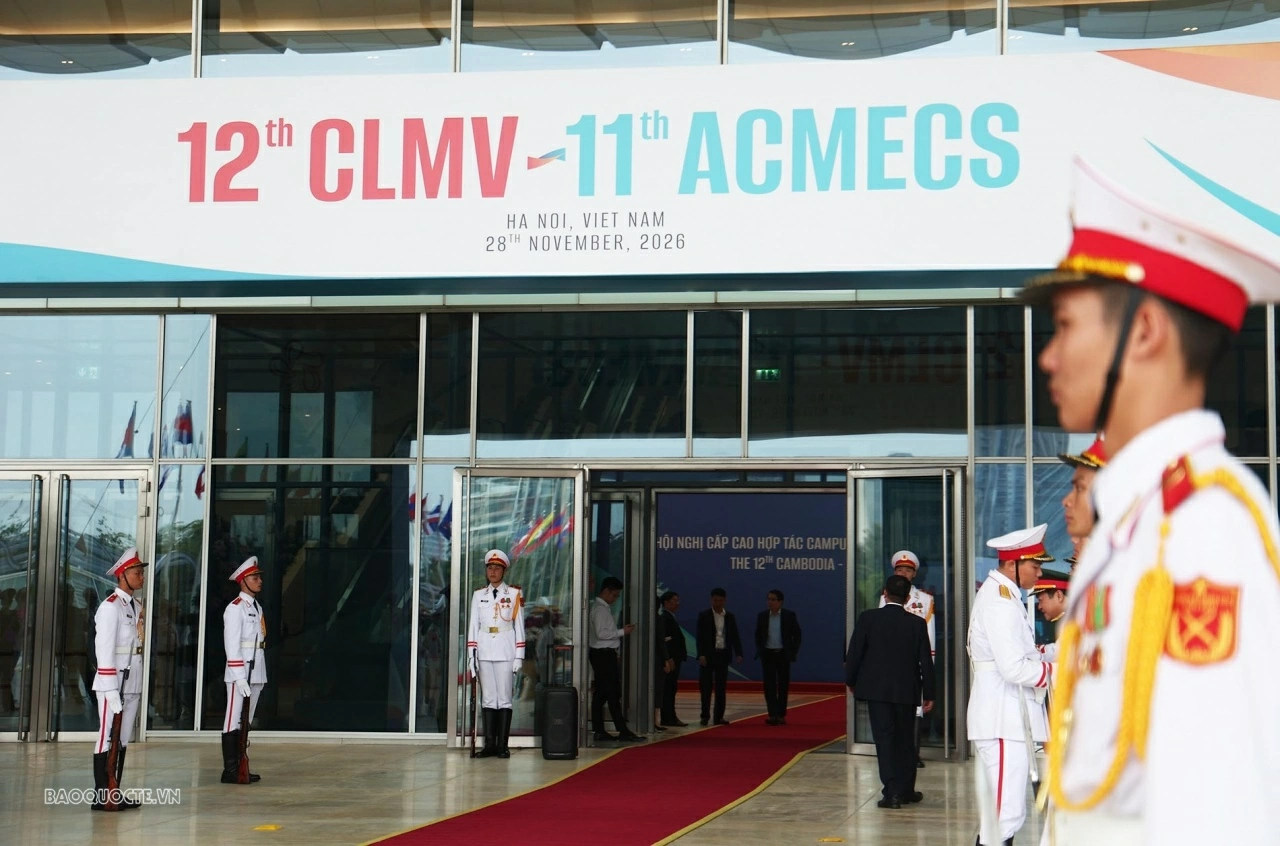 |
| On November 28, in Hanoi, Vietnam will host the 12th Cambodia-Laos-Myanmar-Vietnam (CLMV) Cooperation Summit with the theme “Connecting CLMV - Unleashing Potential - Creating a Prosperous Future”, as the Chair of the CLMV cooperation mechanism in 2026. (Photo: Thanh Long) |
At the 11th ACMECS Summit chaired by Myanmar, the Prime Minister will discuss the common priorities of the five countries with other leaders. As the host country, Vietnam wishes to work more closely with member countries, contributing to the ASEAN Community building process, expanding cooperation with development partners, so that cooperation achievements reach the people and businesses of each country.
The discussions and outcomes of the meetings between member country leaders in Hanoi are significant for the cooperation of the two mechanisms, contributing to strengthening political trust, especially at the high level.
The Summit will also provide a basis for countries to link their development with that of neighboring countries and the entire sub-region, jointly building a shared development space and coordinating actions for a peaceful, prosperous, and sustainable Mekong sub-region. This is the common mission of CLMV and ACMECS member countries, and also the sincere contribution of host country Vietnam.