


AMM 59: Opening ceremony and meetings advance ASEAN unity, resilience, and connectivity
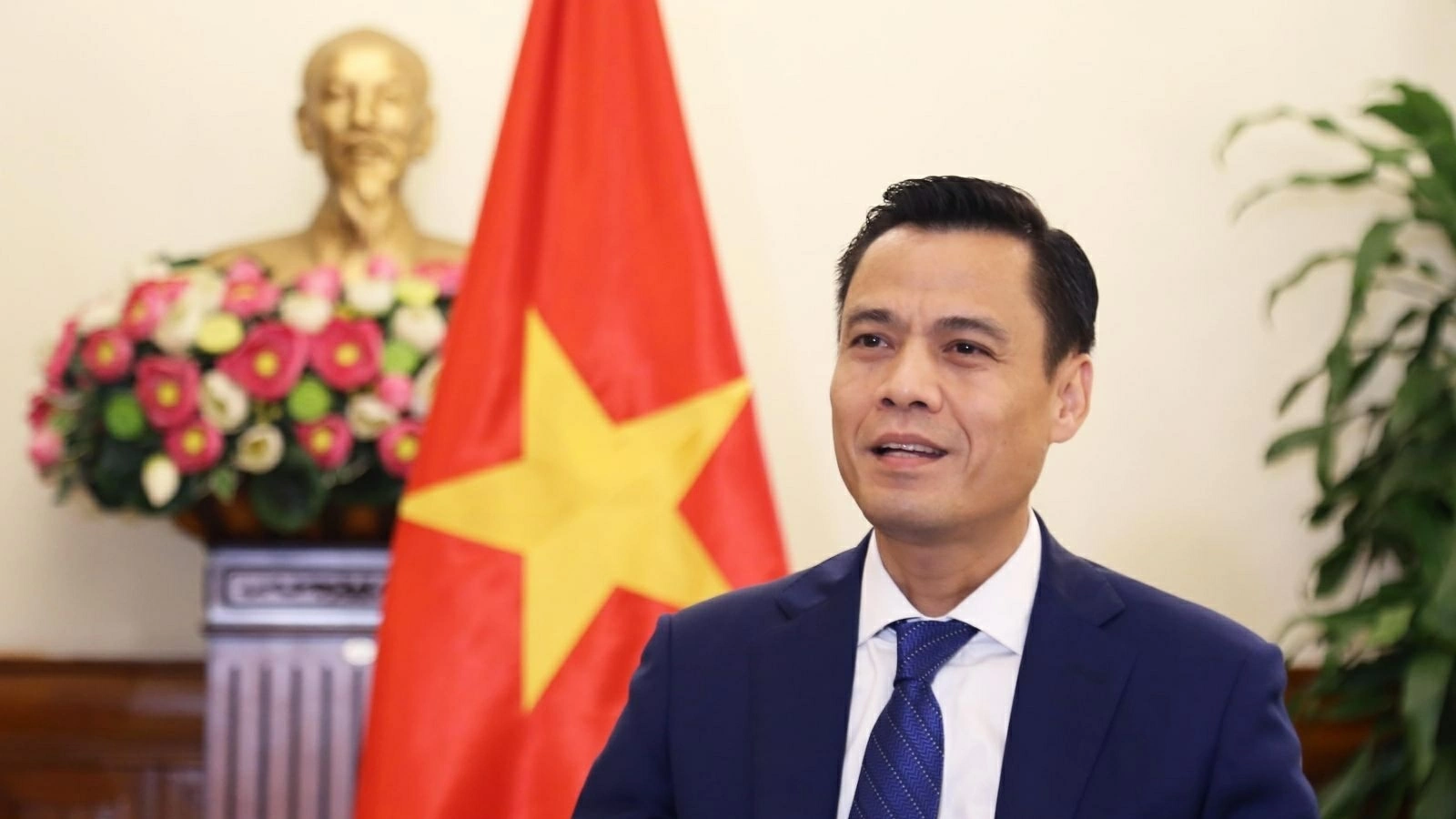
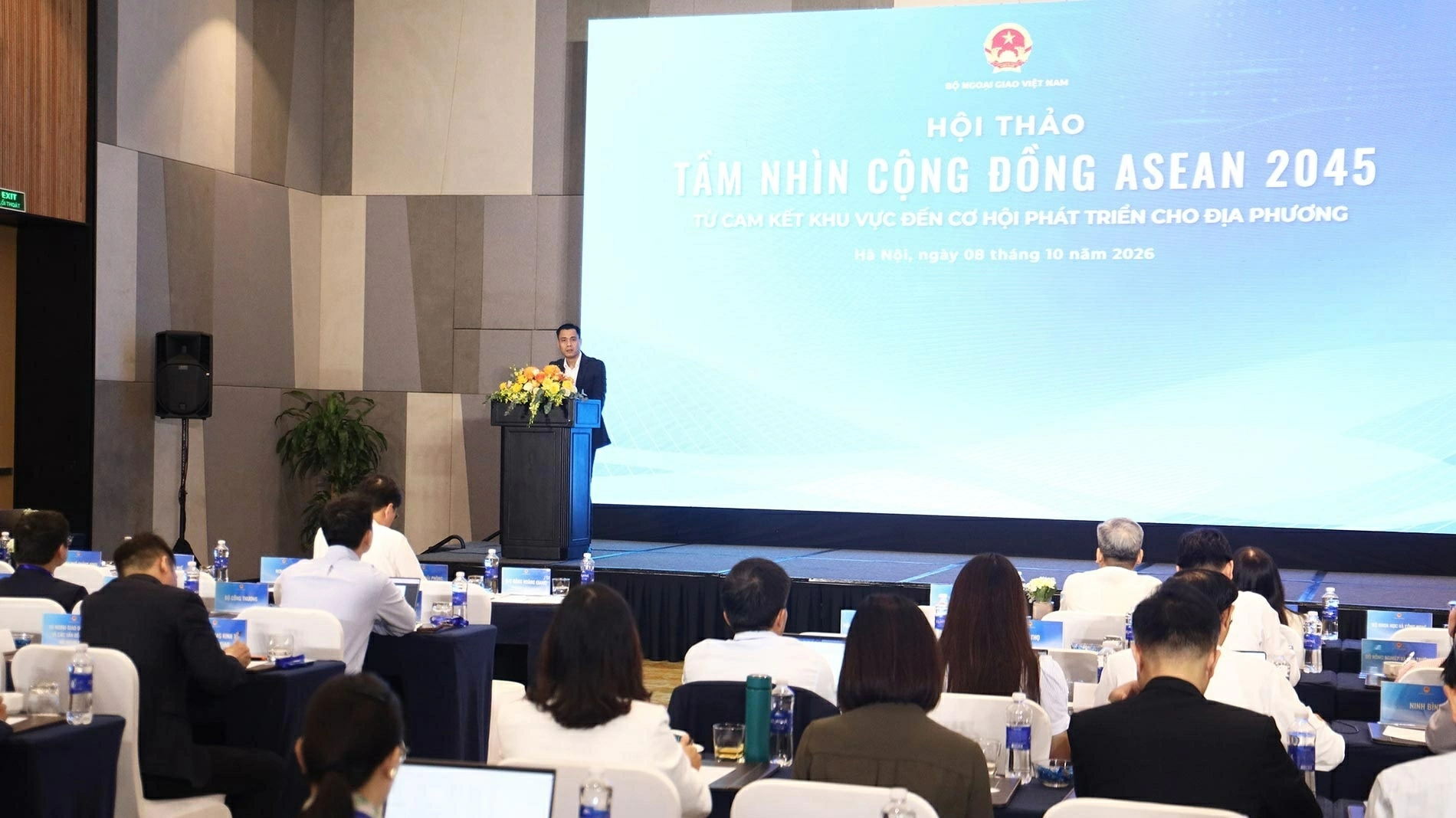
WVR - On the morning of July 21, the 59th ASEAN Foreign Ministers' Meeting (AMM-59) officially commenced at the Philippine International Convention Centre. On behalf of Foreign Minister Le Hoai Trung, Deputy Minister Dang Hoang Giang, Head of SOM ASEAN Vietnam, led the Vietnamese delegation to attend the Opening Ceremony and meetings.
Latest
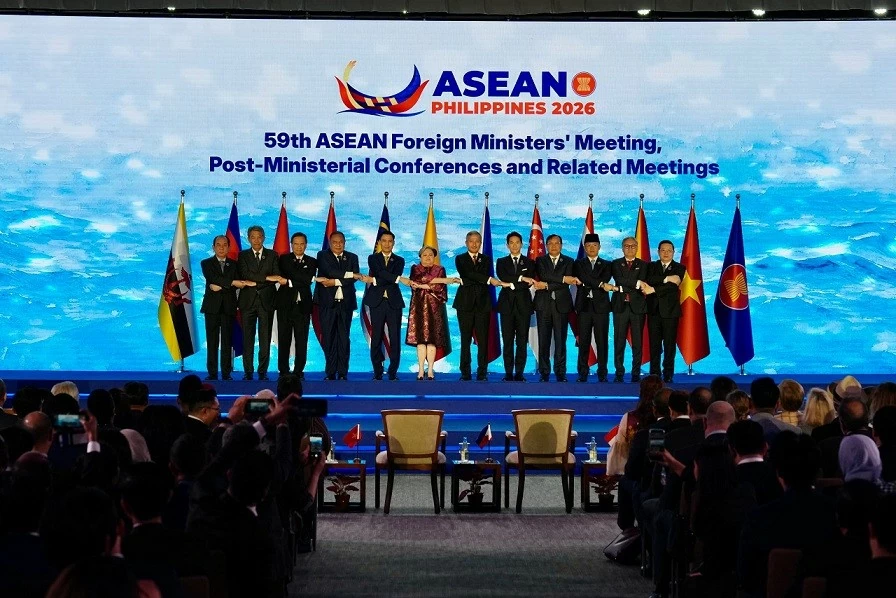 |
| The Opening Ceremony of the 59th ASEAN Foreign Ministers' Meeting (AMM 59). (Photo: Bao Chi) |
In her opening remarks, Philippine Secretary for Foreign Affairs Ma. Theresa P. Lazaro emphasised the significance of the Meeting, especially amid the current uncertain, unstable, and unpredictable international situation. The decisions made at these Meetings will contribute to shaping the region's future. To “Navigating Our Future, Together,” ASEAN must not only anticipate trends to proactively chart its course but also join hands to navigate through turbulent waters. The Philippine Secretary for Foreign Affairs stressed that ASEAN member states need to continue upholding ASEAN's fundamental principles based on the Treaty of Amity and Cooperation (TAC), enhancing ASEAN's collective strength and resilience, turning it into a robust shield against external pressures and an anchor for peace and stability in the region.
Immediately following the Opening Ceremony, the ASEAN Foreign Ministers entered the Plenary Session. The Ministers shared positive assessments of the ASEAN cooperation results achieved in the first seven months of the year and affirmed their continued focus on implementing the commitments of the 48th ASEAN Summit, accelerating the development of the ASEAN Community Vision, and realizing the priorities of the ASEAN Chairmanship Year 2026.
Notably, the ASEAN Foreign Ministers affirmed that the top priority now is to ensure ASEAN's unity, resilience, and effective central role in an increasingly substantive and open partnership network. ASEAN needs to enhance the effective implementation of plans and cooperation programs, initially by comprehensively implementing the High-Level Leaders' Declaration on responding to the Middle East crisis across all three pillars, ensuring energy security, food security, supply chain stability, and effectively supporting the people. The Ministers also committed to continuing to support Timor-Leste in strengthening its ASEAN integration. Regarding the future direction of ASEAN's external relations, the Ministers emphasized the need to deepen relations with existing partners and expand relations with potential partners. Accordingly, the Ministers agreed to accept Turkey as ASEAN's 12th dialogue partner.
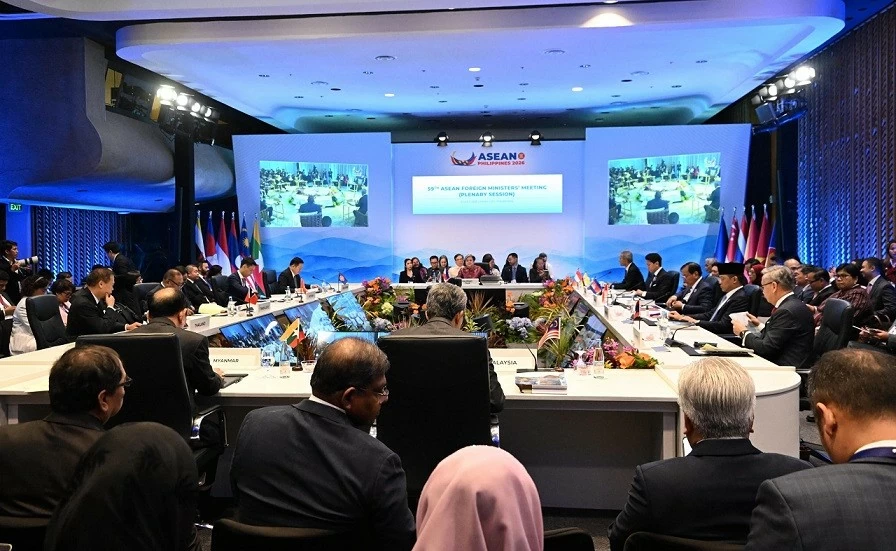 |
| The Plenary Session of the 59th ASEAN Foreign Ministers' Meeting (AMM 59). (Photo: Bao Chi) |
Speaking at the session, Deputy Minister Dang Hoang Giang shared ASEAN's assessments and priorities for the coming period. He also presented four proposals from Vietnam to strengthen ASEAN's unity, resilience, and connectivity. First, ASEAN principles should continue to be upheld, enhancing dialogue and cooperation to jointly address common challenges. Second, ASEAN should promote deeper economic integration, resilience, and competitiveness through the ASEAN Economic Security Framework to bolster regional resilience against future fluctuations. Third, a people-centered ASEAN should be developed, leveraging the strength of "unity in diversity" and enhancing mutual understanding among the region's people. Finally, strategic autonomy and ASEAN's central role should be reinforced, especially amid increasingly intense and complex major power competition.
On the afternoon of July 21, the Ministers participated in closed-door sessions and an expanded informal consultation on Myanmar. Discussing global and regional situations, the Meeting noted that the world is undergoing profound changes due to geopolitical and geo-economic fragmentation, restructuring of supply chains, and the emergence of non-traditional security challenges, posing numerous risks to regional and international peace and security, challenging countries' resilience. The Ministers emphasized the importance of international law, the United Nations Charter, and multilateral mechanisms, highlighting ASEAN's role and ASEAN-led mechanisms in promoting dialogue, resolving differences, building trust, and addressing common challenges.
Regarding the East Sea, many ASEAN countries emphasized the importance of freedom of navigation and overflight in the East Sea, respecting international law, particularly the United Nations Convention on the Law of the Sea (UNCLOS 1982). Amid worrying developments of escalating conflicts in the Middle East, the Ministers issued a Joint Statement, calling on parties to exercise restraint, strive for peaceful solutions, protect civilians and civilian infrastructure, and restore freedom and security, and safety of navigation through the Strait of Hormuz.
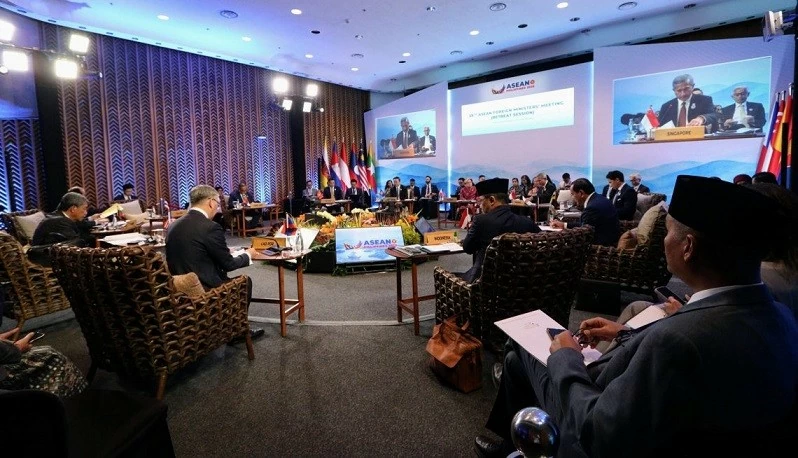 |
| The Closed-Door Session of the 59th ASEAN Foreign Ministers' Meeting (AMM 59). (Photo: Bao Chi) |
On the issue of Myanmar, the Ministers reaffirmed that Myanmar remains an inseparable part of ASEAN, emphasizing that the Five-Point Consensus continues to be the main guiding framework for ASEAN's efforts. The Meeting acknowledged positive developments in Myanmar and the outcomes of the informal meeting between ASEAN Foreign Ministers and Myanmar on July 12, expressing hope that Myanmar will continue its efforts and make concrete, substantive progress on the ground.
Speaking at the sessions, Deputy Minister Dang Hoang Giang emphasized that ASEAN needs to be flexible, adaptive, and proactive in shaping regional changes. Vietnam supports ASEAN adopting a more flexible approach to Myanmar to enhance engagement, promote reconciliation, inclusive dialogue, and support Myanmar in overcoming current economic and social challenges.
The Deputy Minister highlighted the importance of peace, security, and stability, affirming that ASEAN must adhere to its principled stance on the East Sea, stressing the necessity of complying with international law, resolving disputes peacefully based on international law, particularly UNCLOS 1982. Vietnam is committed to working with ASEAN countries to continue fully and effectively implementing the Declaration on the Conduct of Parties in the East Sea (DOC) and with China to strive for the early completion of an effective, substantive, and legally binding Code of Conduct in the East Sea (COC) in accordance with international law, especially UNCLOS 1982.
* On July 22, 2026, the ASEAN Foreign Ministers will enter the third working day, focusing on 11 meetings with Dialogue Partners (India, the United States, Canada, Russia, China, Republic of Korea, Japan, Australia, New Zealand, the United Kingdom, EU). Foreign Minister Le Hoai Trung will attend these meetings.