



Vietnamese cultural bridges connecting Vietnam with the world
WVR - Living far from my homeland for many years, I deeply appreciate the bonds that every Vietnamese person holds dear, which are not easily forgotten: the mother tongue, family traditions, Tet customs, family ties, and hometown memories.
Latest
These simple things create a resilient identity, helping Vietnamese abroad maintain a connection with their homeland and pass on the love for their roots to the next generation.
From community identity to Vietnam's image
Preserving identity is just one part. Vietnamese abroad can also bring Vietnamese culture closer to international friends, helping the world better understand Vietnam and its people. From the perspective of someone who has lived abroad for 30 years, including nearly 20 years in journalism in Germany, I believe this is a practical contribution from the overseas Vietnamese community.
Culture is present through Vietnamese language classes, hometown association activities, Tet programs, or family meals. When expanding connections with Germans and international friends, these activities become even more meaningful. Exploring Tet customs, enjoying cuisine, and listening to stories about family and regions are ways for Vietnamese culture to become a meeting point between people.
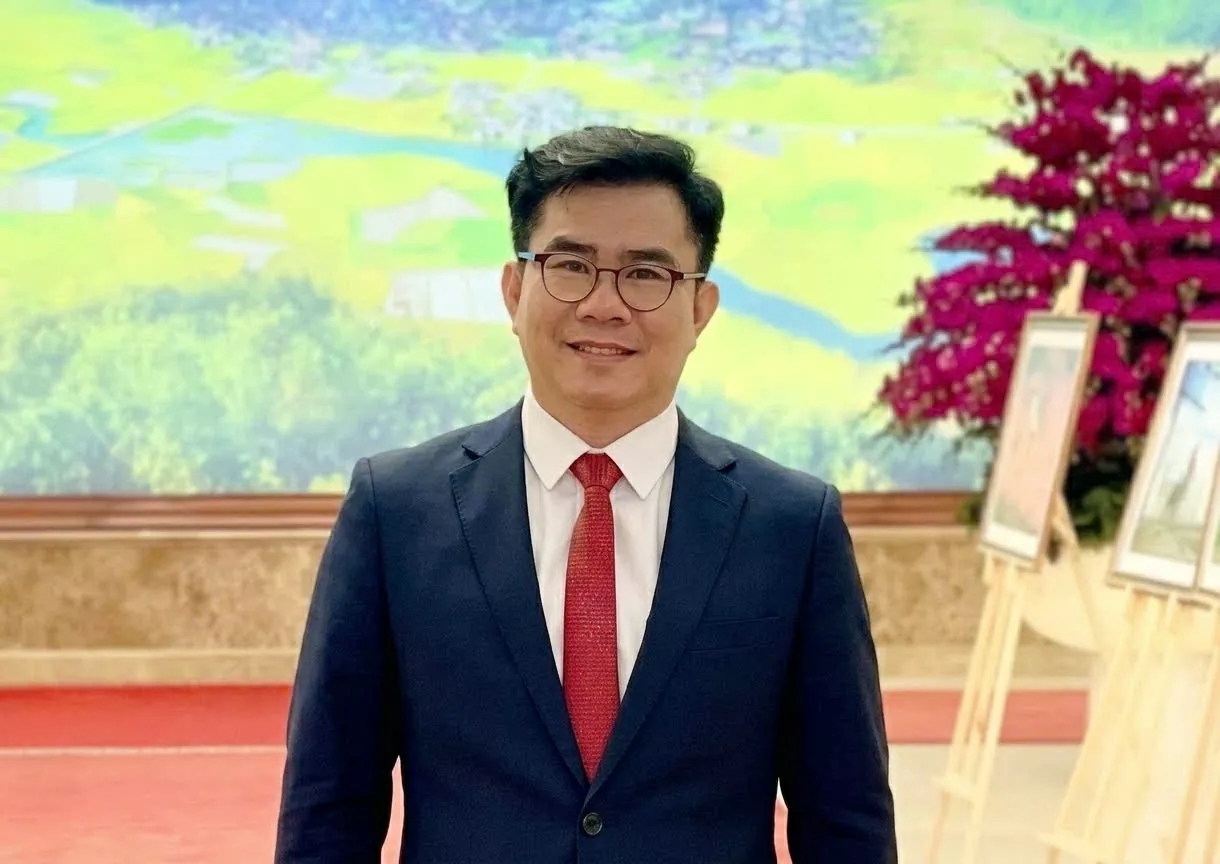 |
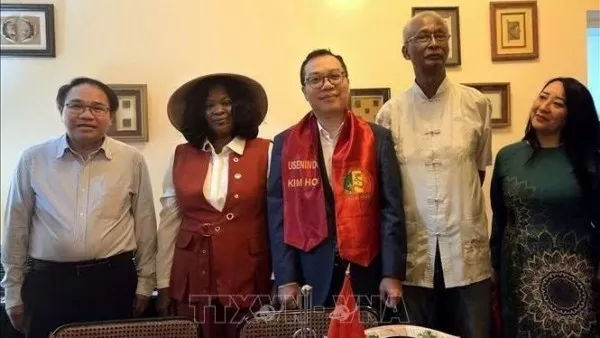
| Mr. Pham Khanh Nam, Editor-in-Chief of Huong Viet Magazine, Germany. (Photo courtesy by author) |
The role of “cultural ambassador, representing Vietnam and its people” doesn't necessarily have to start with large activities. A Vietnamese person working diligently, respecting the law, living responsibly, and willing to help others also contributes to building a positive image. The strength of culture lies in sincerity and action.
Returning to nurture affection for the Homeland
During my years in journalism in Germany, I have always been interested in activities connecting overseas Vietnamese with the homeland. Through the Conference for Vietnamese Abroad, delegations attending the 50th Anniversary of the Liberation of the South and National Reunification, the 80th National Day, and visits to Truong Sa, I clearly felt the affection of overseas compatriots for the homeland.
Each activity brings its own feelings. “Xuan Que Huong” creates a reunion atmosphere; the Conference for Vietnamese Abroad is an opportunity for meetings, exchanges, and contributions. Visits to Truong Sa help overseas Vietnamese understand life at the forefront, while also fostering responsibility for the homeland's islands and seas.
For young people born abroad, the Vietnam Summer Camp is an opportunity to learn about history, culture, meet friends with the same roots, and explore the country their parents and grandparents always talk about.
What I ponder is how to continue to develop these experiences. The trip will have long-lasting value if emotions are transformed into articles, talks, cultural activities, or exchange projects where overseas Vietnamese live. For journalists, it is an opportunity to tell authentic stories about Vietnam's life and development aspirations.
Implementing policies with concrete actions
Resolution No. 36-NQ/TW in 2004 on work related to overseas Vietnamese lays the foundation for strengthening the relationship between overseas Vietnamese and the homeland. In the new phase, the Party's policy continues to aim at promoting community resources, consolidating the great national unity bloc, and creating conditions for overseas Vietnamese to contribute to the country.
This orientation is linked to the policy of developing Vietnamese culture and people, including Resolution No. 80-NQ/TW on developing Vietnamese culture and the directions at the XIV Party Congress. Culture is both a heritage to be preserved and a resource for development, a foundation for social cohesion, and an element in relations between Vietnam and other countries.
Resolution No. 23-NQ/TW on work related to overseas Vietnamese sets the requirement to promote the resources and role of overseas Vietnamese.
From the reality in Germany, I believe it is necessary to create conditions for the community to actively participate. Associations, artists, teachers, intellectuals, and journalists with experience in organizing activities, understanding community needs, and local social characteristics; if connected, they can build effective cultural programs.
The overseas Vietnamese community is diverse in generations, professions, and circumstances. Therefore, a one-size-fits-all model should not be applied, but rather listening, respecting differences, and encouraging initiatives suitable to reality. The bond with the homeland is more sustainable when each person's contribution is appreciated.
Telling convincing stories
With nearly 20 years in journalism within the Vietnamese community in Germany, I realize that Vietnamese-language journalism abroad holds a unique position: helping compatriots update information about the homeland and their place of residence, maintaining Vietnamese language, connecting generations, and reflecting community contributions.
Community journalism can be an information bridge between Vietnam and the host society. Stories about successful Vietnamese in research, business, arts, social activities; Vietnam-Germany cooperation programs, and initiatives by Vietnamese youth are materials to introduce a close and profound Vietnam.
Domestic and community journalism should enhance cooperation through data exchange, thematic coordination, professional exchanges, and content development suitable for multilingual audiences. Activities should be maintained regularly, based on professional trust.
Long-term concerns
Many Vietnamese families in Germany are concerned about preserving the Vietnamese language for their children. Children born and raised in Germany often use German in study, communication, and daily life. Without a suitable Vietnamese environment, the language gap between generations may widen.
Support is needed for community Vietnamese classes, building appropriate learning materials, and encouraging active learning methods. Learning can be linked with folk tales, history, music, cuisine, films, and family stories; book clubs, theaters, or storytelling contests also help make Vietnamese more accessible to the youth.
The important thing is to help them understand that preserving Vietnamese identity does not mean standing outside the society they live in. Young people can be proud of their Vietnamese origins, proficiently use the local language, study and work well, while contributing to both countries. Those who understand and connect the two cultures will be bridges in the future.
Persistent activities
From community practice, I would like to propose three recommendations:
Firstly, create conditions for cultural initiatives initiated by overseas Vietnamese. Associations, Vietnamese language teaching facilities, artists, and community media should have access to information, materials, and partners in Vietnam. Support should be transparent, flexible, and encouraging to ensure the program's long-term maintenance.
Secondly, pay attention to the Vietnamese language and the younger generation. Besides supporting teachers and learning materials, youth exchanges and history and culture exploration programs should be expanded to meet the needs of young people in each country.
Thirdly, strengthen connections with journalists, intellectuals, artists, and community workers abroad. A cooperative network helps share experiences, coordinate events, develop multilingual content, and connect with local cultural and educational institutions. Vietnamese Representative Missions can support connections while respecting the autonomy of each community.
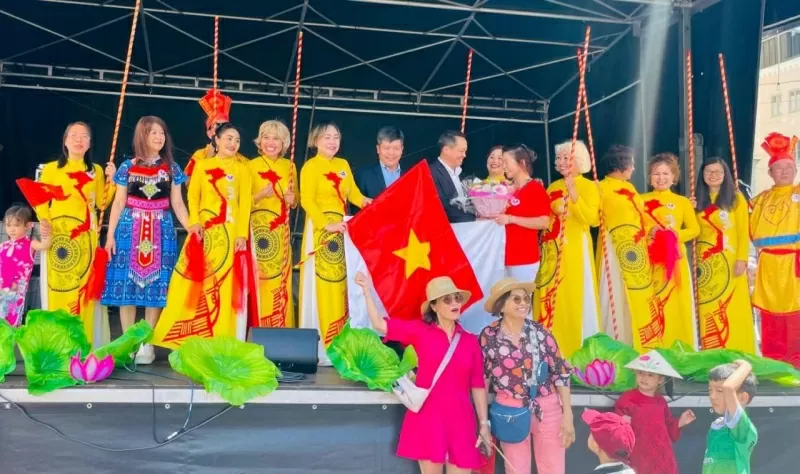 |
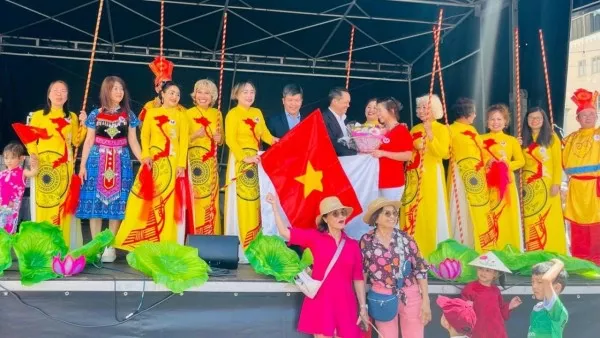
| Activities of the Vietnamese community in Germany. (Photo courtesy by author) |
From my experience in Germany, I believe the strength of these bridges lies in sincerity and persistence. To help international friends understand Vietnam, conditions must be created for them to meet Vietnamese people, hear authentic stories, and participate in meaningful activities. To bond the younger generation with the homeland, they need opportunities to explore and experience.
Promoting the role of “cultural ambassador, representing Vietnam and its people” should not just be a slogan but should be concretized into actions in community life.
When culture helps people understand each other better, trust is built. With respect, responsibility, and practical cooperation, overseas Vietnamese continue to be bridges connecting Vietnam with the world, contributing to strengthening the great national unity bloc, enhancing soft power, and national prestige through small daily actions.
Tags: