



External Information in the New Era: Leveraging the 'Ever-Changing' to serve the 'Unchanging'
WVR - Speaking about external information work in the new era, Director General of the Department of Press and Information and Spokesperson of the Ministry of Foreign Affairs Pham Thu Hang affirmed that external information and communication work, having already undergone changes, must change even further; having already made breakthroughs, it must make even greater breakthroughs. To achieve this, the first and foremost requirement is to change and renew our thinking.
Latest
In the current context, it can be affirmed that the boundary between internal and external information has been blurred. At the same time, many people believe that external information work, therefore, also needs a shift in mindset. How do you perceive this issue?
I always view information from the perspective of someone involved in both external and internal information. Information is a continuous flow, constantly moving, spreading widely, crossing all borders, and having a significant impact on the world and our country in various fields and at different levels.
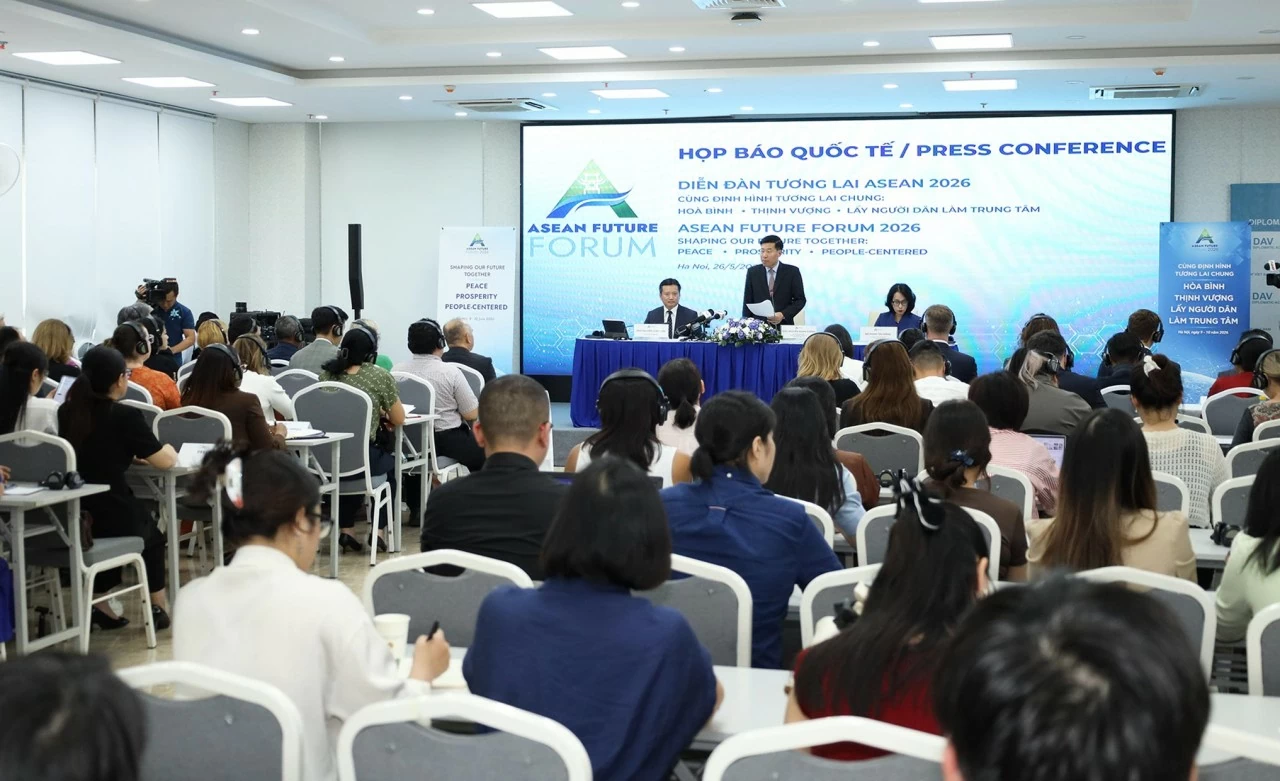 |
| Overview of the international press conference introducing the ASEAN Future Forum 2026, on May 26, 2026. (Photo: Thanh Long) |
You mentioned that currently, the boundary between internal and external information has been blurred, but I see that there always exists a "flexible boundary" or "soft boundary" between them. At specific times and circumstances, this boundary can be distinct depending on management goals and communication purposes, but often, internal and external information form a unified whole. Once we determine the purpose, we will know when to blur or not blur that boundary.
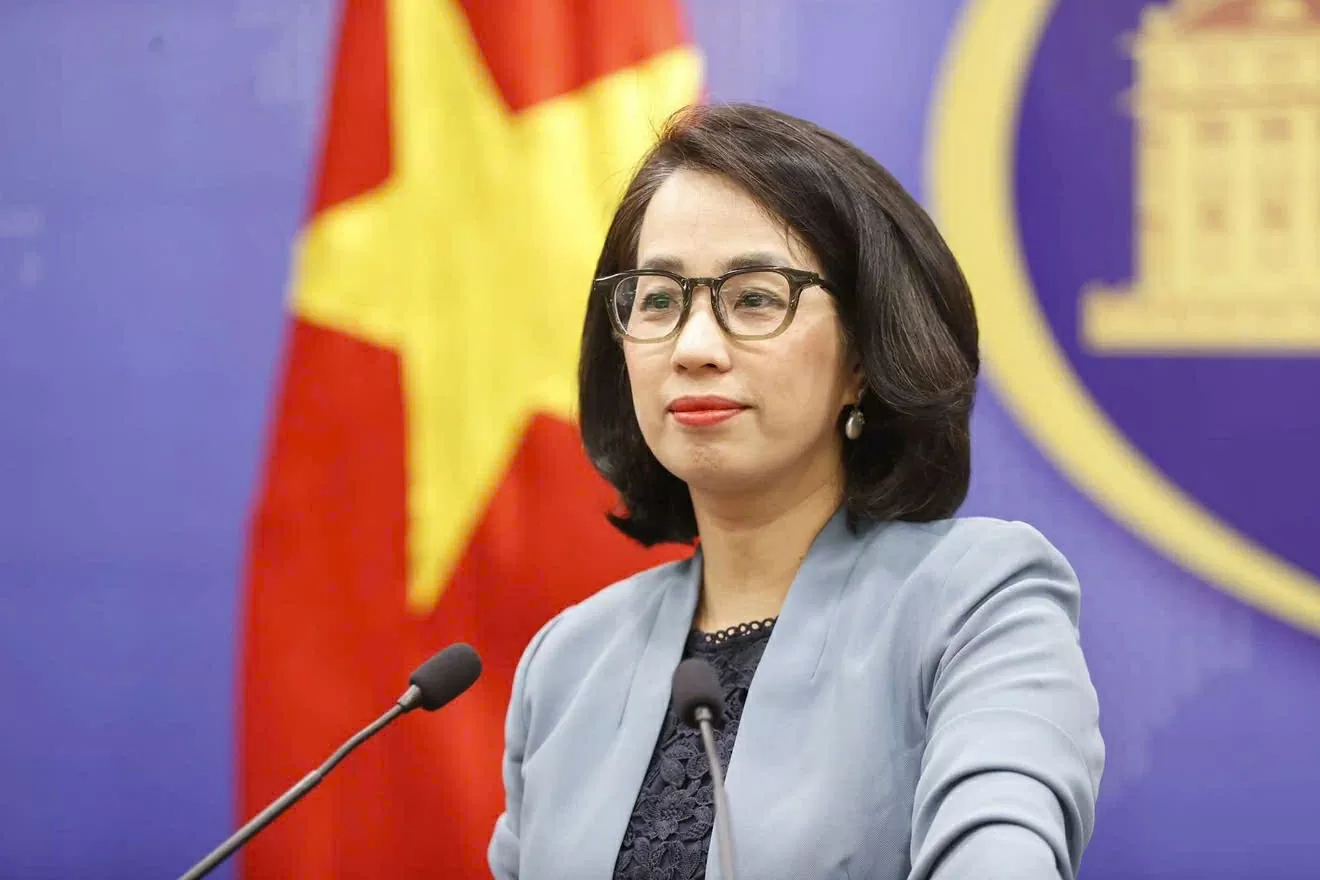 |
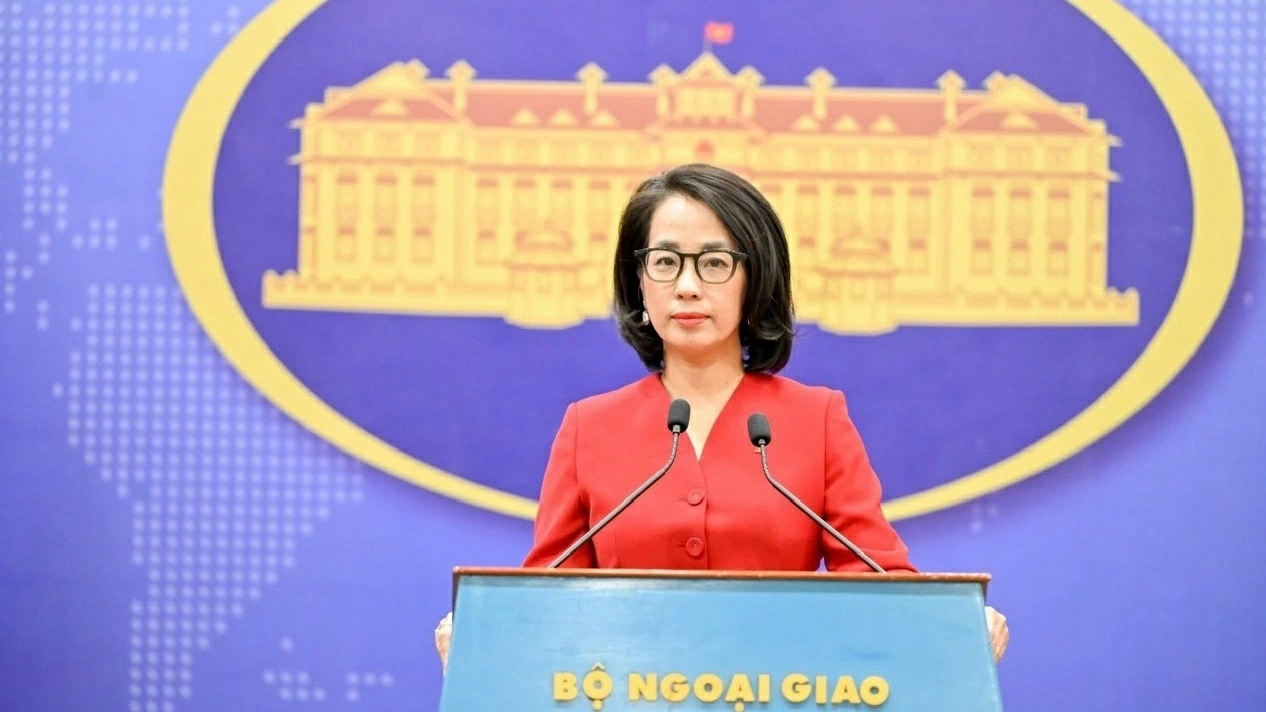
| Spokesperson of the Ministry of Foreign Affairs Pham Thu Hang. (Photo: Nguyen Hong) |
The country is entering a new development phase, with new requirements in the context of significant global and regional political and economic changes. These evolving trends are having multidimensional, intertwined impacts on the external information and communication work of the country and the Ministry of Foreign Affairs.
Therefore, external information and communication work has changed and must change even more, has broken through and must break through even more. To achieve this, the first step is to change and innovate our mindset. Innovation is not just about changing tools or communication platforms, but first and foremost about changing the way we view, approach, and handle information.
Only when our mindset changes can we shift from being reactive to proactive, from responding to leading, from conveying information to guiding public opinion, mastering the information front.
Vietnam now not only speaks what it wants to say but also addresses what the world cares about; not only provides information but also contributes to shaping a correct perception of Vietnam. In fact, external information work has been undergoing significant shifts, both in mindset and approach.
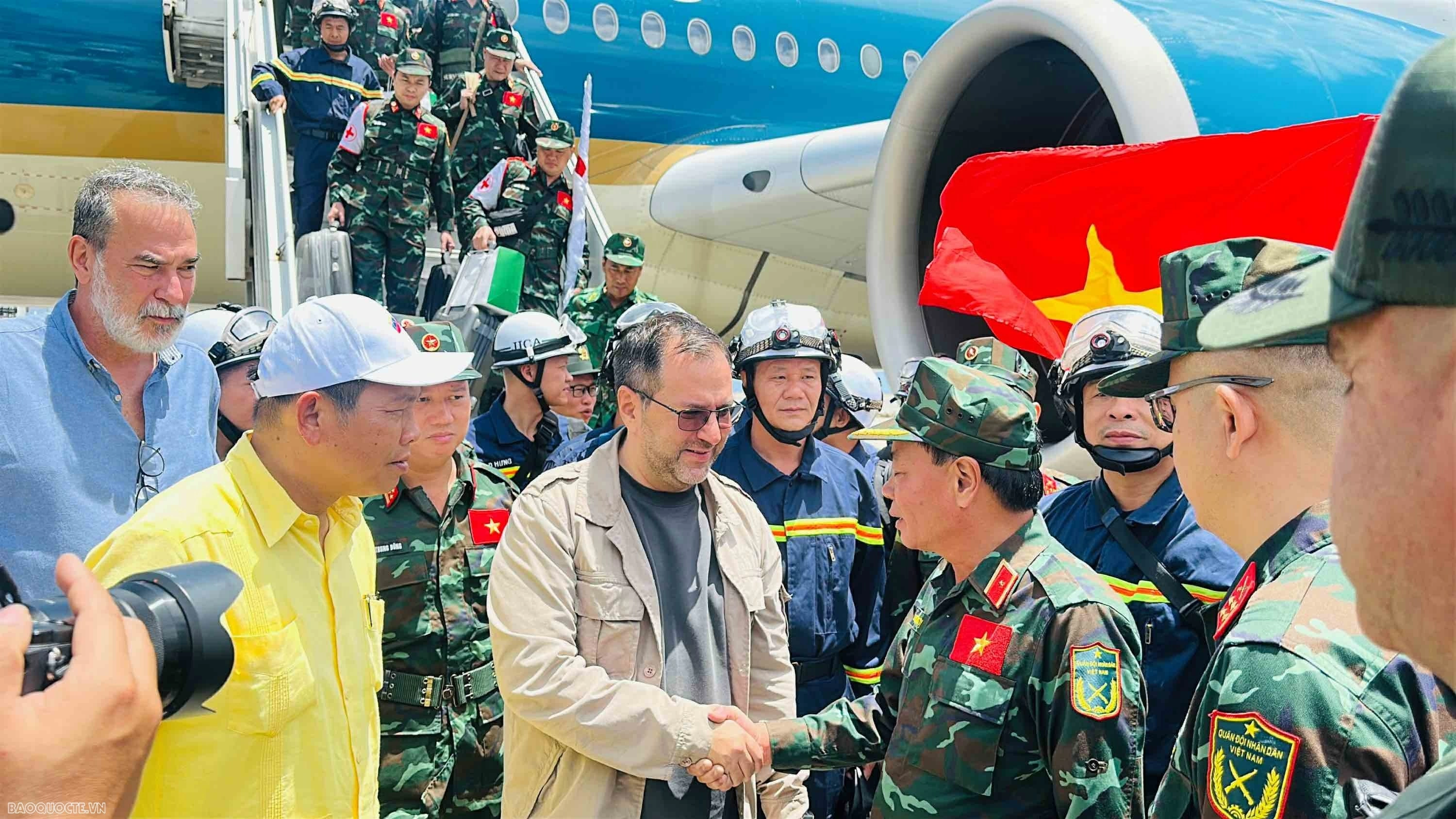
The Ministry of Foreign Affairs has implemented various new communication forms, expanded media channels, and proactively engaged on digital platforms and social networks to reach the public more quickly and diversely. Additionally, we increasingly value listening to the public, studying media trends, and proactively identifying issues of international concern to convey them appropriately, timely, and effectively.
And most importantly, while technology and platforms may change, the goals of external information remain consistent. We leverage the "ever-changing" media trends to serve the "unchanging" national interests, the people's trust, and the country's prestige and position on the international stage.
Currently, messages can only resonate deeply and lastingly with the public if they not only meet criteria such as speed, accuracy, and appeal but also touch emotions. In your opinion, what should we do in external information and communication work to stay on the right track?
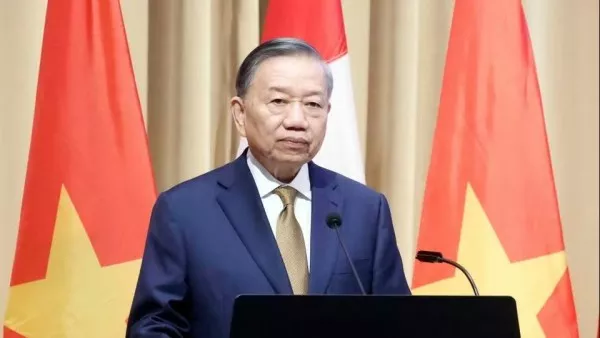
When it comes to external information, we often use the phrase "fast, accurate, relevant, sufficient". But we need more than that; the information and messages must be persuasive, appealing, and memorable to the public. At the National Communication Conference in 2025, General Secretary To Lam shared and advised journalists and communicators to stay close to reality, "accurately grasp the pulse, understand every heartbeat of the people's lives and social opinion"; truly "listen with ears, understand with heart, persuade with reason, lead with emotion".
This is very true for external information and communication. Once we grasp the "pulse" of public opinion, every story told with real experiences, genuine emotions, and positive values will always have a spreading power, regardless of language or cultural differences. The important thing is to make each message persuasive and relatable. External communication not only aims to create goodwill but, more profoundly, to build understanding and garner international friends' support for Vietnam. When we tell Vietnam's story with sincerity, with the country's identity and values, that story will have lasting vitality and natural spread.
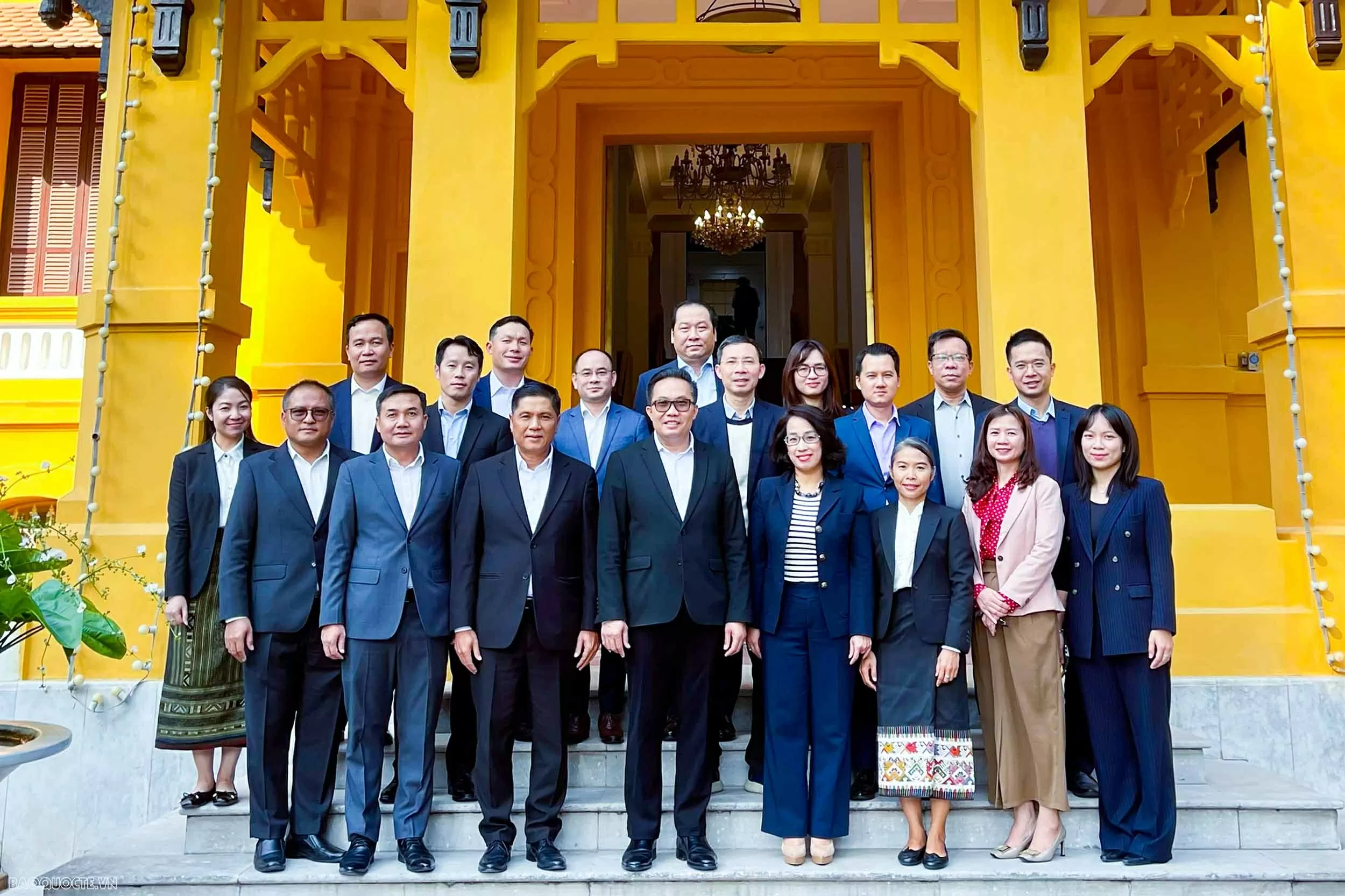 |
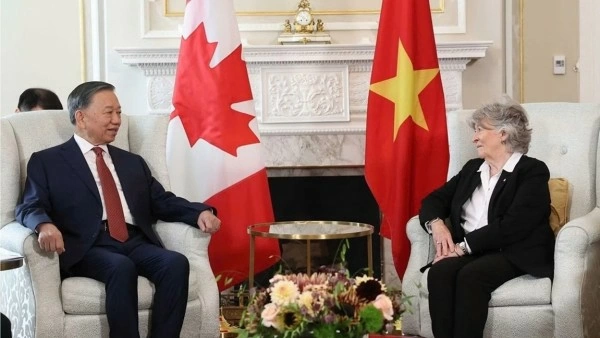
| The Press Department delegation, Ministry of Foreign Affairs of Laos, visiting and working with the Press and Information Department, Ministry of Foreign Affairs in December 2025. (Photo: Chu Van) |
General Secretary, President To Lam emphasised that foreign affairs need to play a pioneering role and a crucial, regular task to contribute to building a Vietnam of development, independence, self-reliance and resilience in the new era. How does external information work position itself to become an "arm" among the "pioneering arms" of the Foreign Affairs sector?
The 14th National Party Congress affirmed the importance of promoting foreign affairs, international integration, along with strengthening national defence and security as "crucial, regular" tasks. This is a pride for the foreign affairs sector as all three pillars of Party diplomacy, state diplomacy, and people-to-people diplomacy, along with all areas of external affairs work, are being implemented at a new level.
In this context, the external information work of the Ministry of Foreign Affairs faces the requirement to comprehensively innovate, break through, transforming the "pioneering" role and "crucial, regular" tasks of foreign affairs into advantages in Vietnam's national position and voice on the international stage, meeting the tasks of the foreign affairs sector and the era, affirming its role as "soft power" in the protection, construction, and development of the country, contributing to the successful implementation of the 14th Party Congress's guidelines.
Therefore, external information work is one of the top tasks and is always closely linked with other pillars of foreign affairs work; it is the pioneering, vanguard force in foreign affairs, forecasting, anticipating, proactively occupying, guiding information, establishing a positive, favorable public opinion front for foreign affairs activities, while continuously creating and maintaining a positive image of the country in international public opinion, promptly countering and refuting negative information.
In the future, external information work needs to shift from a "reflective" mindset to a "creative", "directive" mindset. This is also how external information can make a practical contribution to building the image of a renewed, dynamic, reliable Vietnam actively participating in the common work of the international community.
So, in your opinion, what specific title should be given to Vietnam's external communication in the future?
Personally, I believe that a single title or slogan for "the Vietnam story" is never enough. "The Vietnam story" is being told in various ways and by various subjects. Each of us will choose the best, most appealing, most persuasive, most emotional, and most sincere way to tell our story.
Telling the story of Vietnam is essentially telling the values of the Vietnamese nation, land, and people. That story can be told by us or by international friends and in various forms. It can be anything that reflects or creates our values. It can be stories of war and peace, daily changes, the country's strong transformation, the creativity and dynamism of the Vietnamese people; it can also be a trip to Vietnam "with its picturesque landscapes", a film, a play, an exhibition, a song; it can be cuisine, fashion, gifts…
Resolution 80-NQ/TW of the Politburo on cultural development emphasises maximizing the value and strength of Vietnamese culture and people in the new era; recognizing and effectively handling the intrinsic relationships of culture: between "building" and "fighting"; tradition and modernity; national and international; preservation and development; popular and scholarly; real life and digital space; open data and ensuring cultural security and sovereignty... And external information will contribute to telling stories about Vietnam in that spirit.