






Japanese Ambassador Ito Naoki: Three major expectations for General Secretary, President To Lam's visit to Japan
WVR - Ahead of the official visit to Japan by General Secretary, President To Lam and his spouse (November 8-11), Japanese Ambassador to Vietnam Ito Naoki shared with The World&Vietnam Report the significance of the visit, key cooperation directions between the two countries, and prospects for expanding collaboration in advanced technology, energy, trade, and investment.
Latest
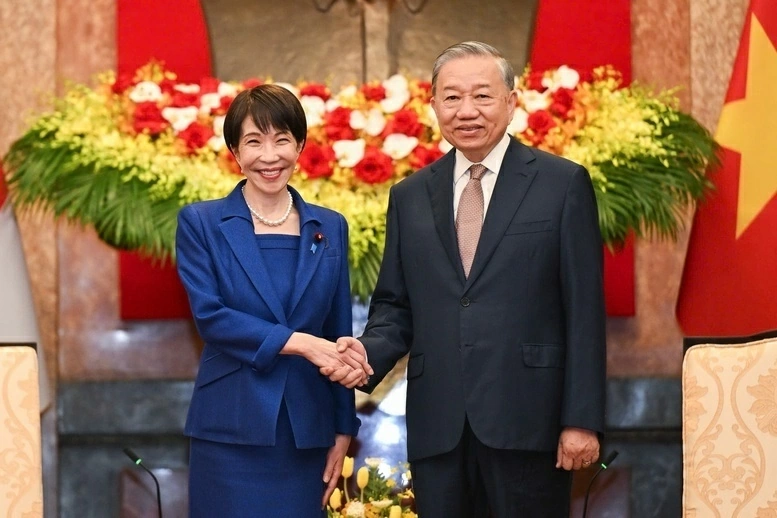 |
| General Secretary, President To Lam meets with the President of the Liberal Democratic Party, Prime Minister of Japan Takaichi Sanae in May 2026. (Source: VGP) |
Opportunities to reach new heights
Ambassador Ito Naoki expressed his delight at the official visit to Japan by General Secretary, President To Lam and his spouse, emphasising that this is a significant event contributing to the promotion of friendship and cooperation between the two countries within the framework of the Comprehensive Strategic Partnership for Peace and Prosperity in Asia and the World (CSP).
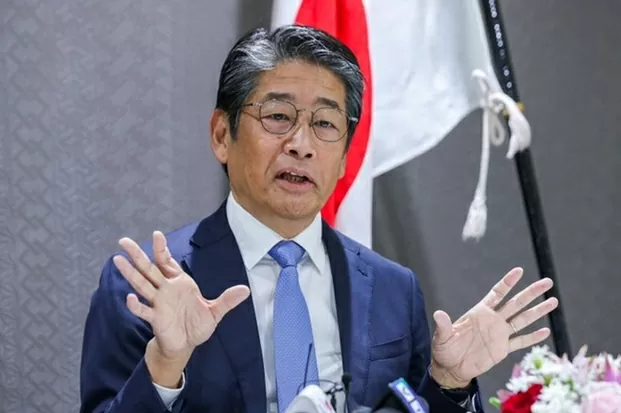 |
| Japanese Ambassador to Vietnam Ito Naoki. (Photo: Minh Anh) |
According to the Ambassador, this is the first visit to Japan by the General Secretary of the Communist Party of Vietnam since General Secretary Nguyen Phu Trong's visit in 2015, and it marks the fifth visit by a General Secretary of the Communist Party of Vietnam to Japan.
Japan places special importance on this visit. The fact that General Secretary, President To Lam visits Japan in the first year of his term after being elected General Secretary at the 14th National Party Congress this year shows that the Communist Party of Vietnam highly values its relationship with Japan.
The Ambassador stated that Japan wishes to closely coordinate with Vietnam to ensure the visit yields substantive results and is a great success.
The visit follows the visit to Vietnam by Japanese Prime Minister Takaichi Sanae in May this year. According to the Ambassador, the high-level visits and bilateral exchanges between the two countries within the same year will create opportunities to elevate the Vietnam-Japan Comprehensive Strategic Partnership to new heights.
Ambassador Ito Naoki noted that Japan places particular emphasis on three major areas of cooperation during the visit. Firstly, in the context of increasingly complex international situations and challenges to the international order, the two countries need to strengthen cooperation to contribute to maintaining regional peace and stability.
Secondly, cooperation in economic security, supply chain consolidation, and innovation is crucial. These are areas that were agreed upon as priorities during Prime Minister Takaichi Sanae's visit to Vietnam in May.
The leaders of the two countries have also identified priority areas for the future, including artificial intelligence (AI), semiconductors, digital transformation (DX), green transformation (GX), critical minerals, food security, and agriculture. Japan aims to continue concretizing and implementing cooperative activities to realize these goals.
Thirdly, people-to-people and cultural exchanges are essential. The Ambassador noted that the number of Japanese visitors to Vietnam and Vietnamese visitors to Japan is increasing. It is expected that the number of Vietnamese visitors to Japan will exceed 700,000 for the year, while Japanese visitors to Vietnam could reach nearly 900,000. Japan aims to continue expanding people-to-people exchanges, enhancing connections, and fostering cooperation between localities in both countries. These topics will also be discussed by the high-level leaders during the visit.
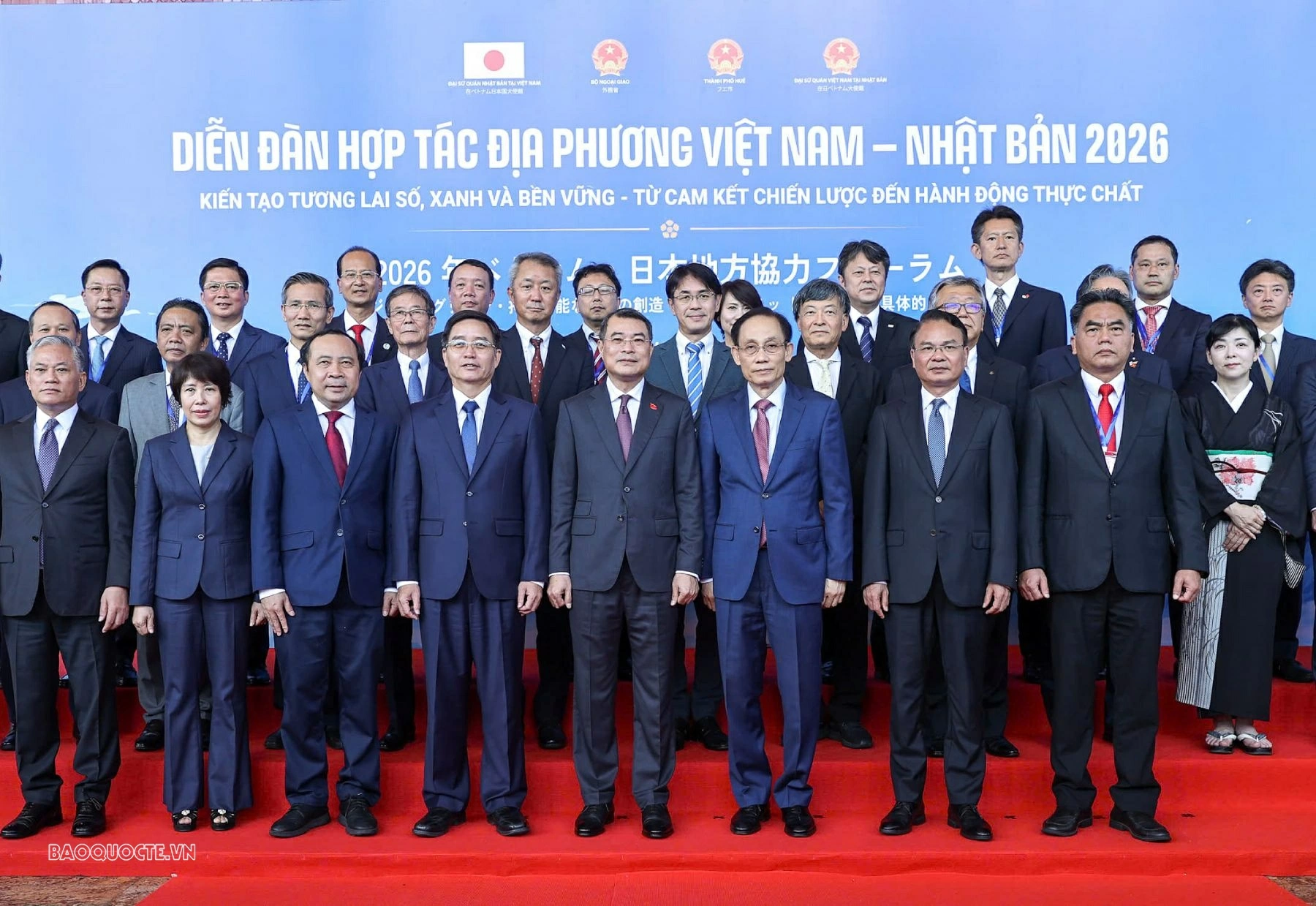 |
| Prime Minister Le Minh Hung meets with Vietnamese and Japanese businesses at the Vietnam-Japan Local Cooperation Forum 2026. (Photo: Thanh Long) |
Expanding cooperation in advanced technology and energy
Regarding cooperation in semiconductors, AI, digital transformation, and green transformation, Ambassador Ito Naoki stated that Japan is particularly focused on collaborating with Vietnam in training high-quality human resources.
In the semiconductor sector, the two countries are implementing cooperative projects between five pairs of universities, including joint research and training of Vietnamese doctoral students in Japan. During this visit, the two sides are expected to announce six new joint research projects. Japan aims to train a total of 250 Vietnamese personnel in the semiconductor field through doctoral programs in Japan.
Additionally, Vietnam has expressed a desire to cooperate in training doctoral students in the AI field. Under the NEXUS program for developing semiconductor human resources, Japan is considering expanding to include AI personnel training.
On the occasion of General Secretary, President To Lam's visit, Japan seeks to further promote joint research programs and train Vietnamese doctoral students in both the semiconductor and AI fields.
The Ambassador stressed that Japan plans to implement a loan through the Japan International Cooperation Agency (JICA) for Vietnam to improve policies and mechanisms related to AI. For the Vietnam Japan University, Japan aims to develop it into a research-oriented higher education institution, promoting innovation and training human resources with practical applications.
The construction of the university campus using Japan's ODA loans will be implemented in the near future. Currently, 200 students are enrolled in semiconductor training programs at the university. Japan will work with the Vietnamese government to continue improving the learning environment, enhancing facilities, and research equipment.
In the energy sector, Japan aims to promote cooperation between the government and private enterprises to ensure supply meets Vietnam's growing demand. Under the Asia Zero Emission Community (AZEC) initiative, Japanese companies are considering building LNG power plants in Vietnam.
The Ambassador welcomed the ongoing amendments to Vietnam's Electricity Law by the National Assembly and expressed hope that the challenges faced by foreign enterprises will be gradually resolved.
According to the Ambassador, promoting linkages between the government, businesses, and academia in Vietnam will create a favorable environment for cooperation with Japanese agencies, universities, and enterprises. This is crucial not only in the energy sector but also for semiconductors, AI, digital transformation, and green transformation.
The Ambassador also emphasized the practicality of establishing a dialogue framework between government agencies, universities, research institutes, and businesses from both countries to discuss innovation and promote specific cooperative activities.
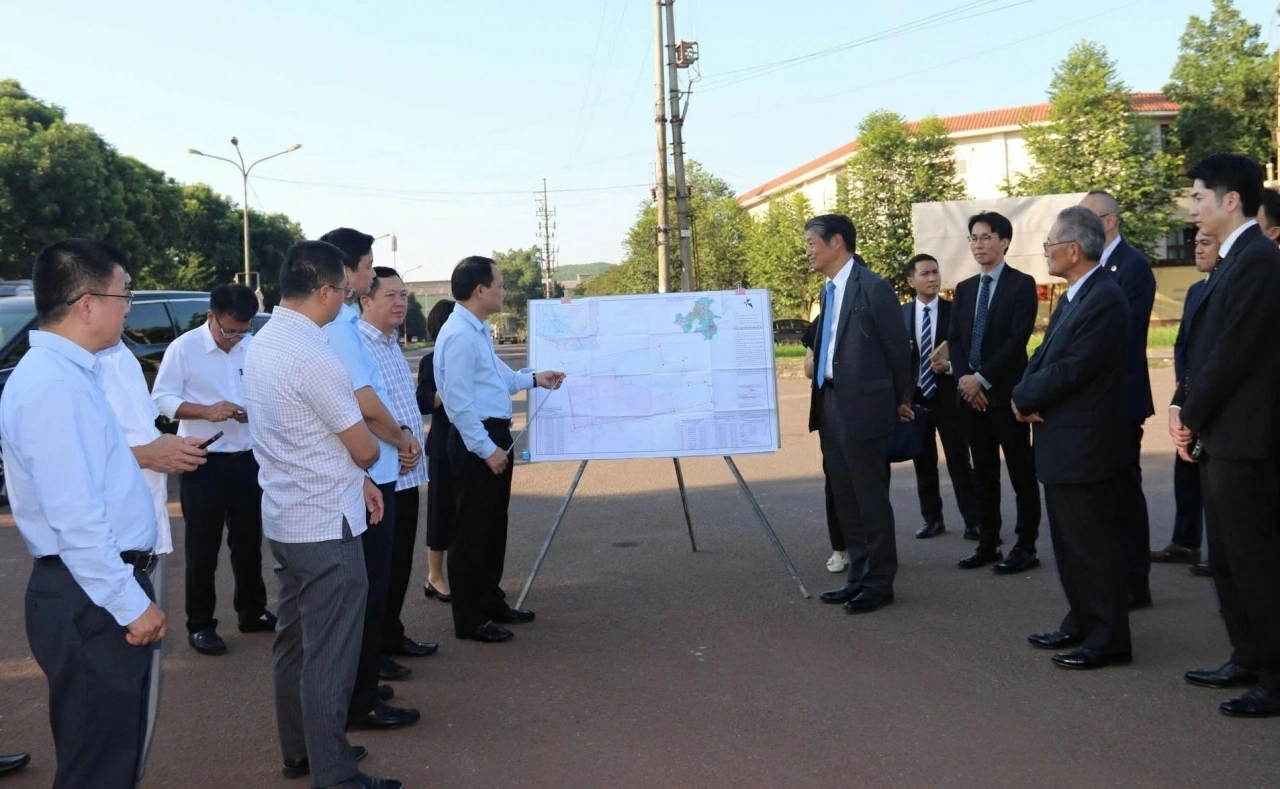 |
| The Japanese investment promotion delegation, led by Ambassador Ito Naoki, visits Tuyen Quang province in October 2026. (Source: Japanese Embassy in Vietnam) |
Towards 75 billion USD by 2030
Assessing the trade prospects between Vietnam and Japan, Ambassador Ito Naoki noted that bilateral trade turnover in the first nine months of this year increased by 15%, reaching 43.7 billion USD. At the current growth rate, the annual turnover is expected to reach approximately 58 billion USD. Over the past decade, the trade scale between the two countries has increased 1.8 times. Based on this growth momentum, the Ambassador predicts that bilateral trade turnover could reach 75 billion USD by 2030.
According to the Ambassador, Vietnam is positioned as a highly potential production hub in Asia. As bilateral trade continues to expand, electrical equipment, electronic components, and automotive parts will remain promising product groups.
In the agricultural sector, the two countries plan to open markets for several new products, specifically Japanese grapes and Vietnamese pomelos. The Ambassador believes this will be one of the outcomes of the upcoming high-level talks and assesses that agriculture is a sector with significant potential for export growth.
With increasing incomes and an expanding middle class in Vietnam, consumer demand is becoming more diverse. Therefore, Japan expects exports of products such as sake and Wagyu beef to Vietnam to increase.
The Ambassador also noted that Japanese enterprises are intensifying investments in the electrical and electronics sectors, including the production of semiconductor wafer materials, processing, and testing of polarizing films for displays. If investments continue to expand in related fields, the demand for importing components and parts for production from Japan will also increase, thereby boosting bilateral trade.
Ambassador Ito Naoki expressed hope that the development of Vietnam-Japan trade will facilitate the attraction of high-quality foreign direct investment (FDI), contributing positively to the construction of a new economic growth model for Vietnam.


