
From "self-reliance to survive" amidst bombs and blockades, Vietnam steps into an era of "self-reliance with new strength and position", with a more solid development foundation, higher international standing, and a longer-term vision.
Everyone, be the shining star of the "pioneering army"
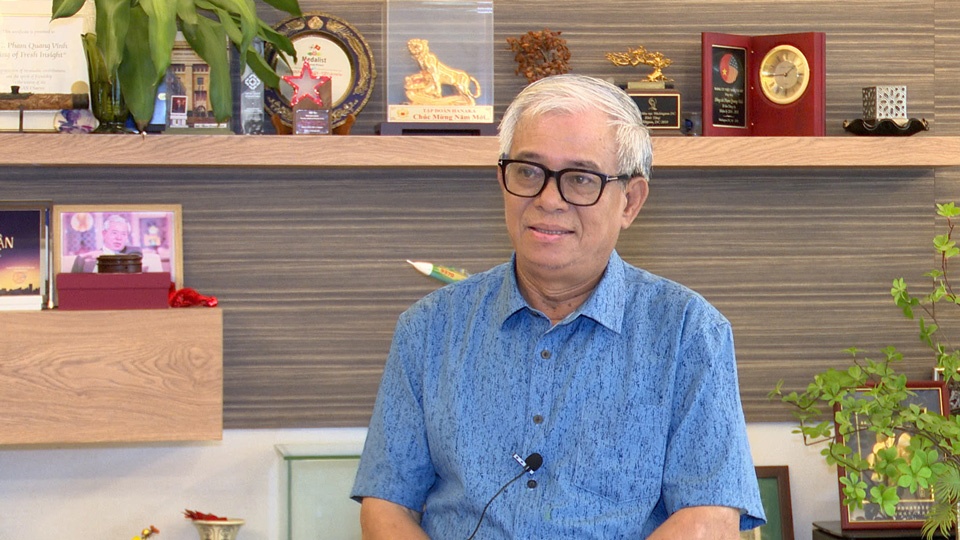
What excites me most about the 14th Congress is the awareness across sectors and levels of the particularly important role of foreign affairs in the current period, in the nation's era of rising. This is an extremely important force.
In my opinion, the close combination of diplomacy, defense, and security is an inevitable and mandatory requirement. Practice shows a very high level of unity and coordination among these three pillars, sharing the common goal of finding effective solutions to promote Vietnam's relations with other countries.
Foreign affairs activities are now much more favorable than in my time. Of course, there are also many difficulties and challenges, especially in the current world context, which is volatile and reversing, with many very complex developments. However, I still believe that our diplomacy is strong enough to adapt.
With the leadership of the Party and an increasingly comprehensive understanding of the position of foreign affairs in the country's development career, Vietnamese diplomacy has a solid foundation to advance.
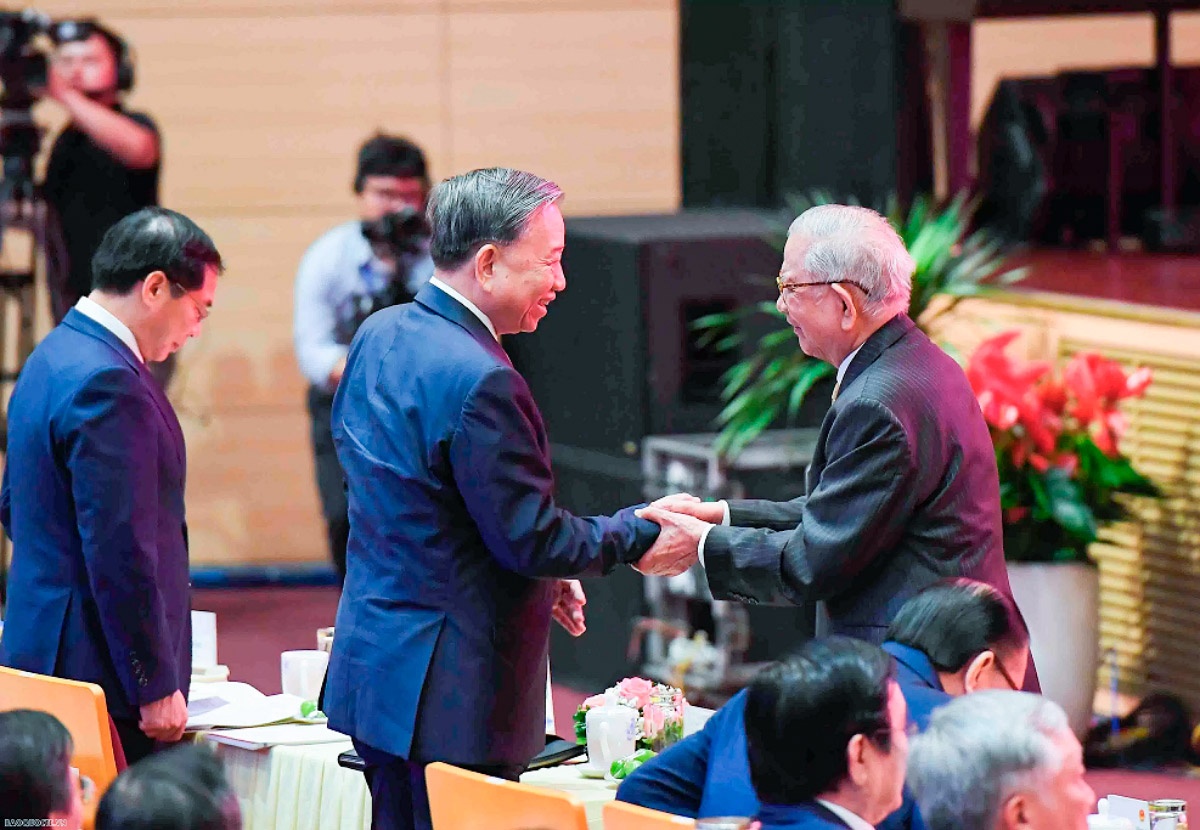
I believe that diplomacy must be the "soldier" at the forefront, paving the way. This has been clearly demonstrated from the wise leadership direction of President Ho Chi Minh.
Why was Uncle Ho the first Minister of Foreign Affairs of Vietnam? Because he understood very clearly that, in the circumstances at that time, diplomacy had to lead. Therefore, he flexibly maintained relations with many different "subjects", such as the US and France, creating favorable conditions to sustain the revolutionary movement and the struggle for national liberation.
In peacetime, the role of foreign affairs is even more important. Practical work shows that in relations with other countries, political decision is the core factor, and diplomacy can create such decisions, with a broad impact, directly affecting the economy, science - technology, culture, development, tourism, and many other fields.
The highlights in the 14th Congress Documents of the Party regarding foreign affairs show that this work has been placed at the right level, commensurate with its current role and position.
Foreign affairs must make the world see that Vietnam values friends, cooperation, and external support, but at the same time, can contribute, support, and actively participate in the common cause of building and developing the world. We are both a reliable partner and a responsible entity for peace and the development of humanity.
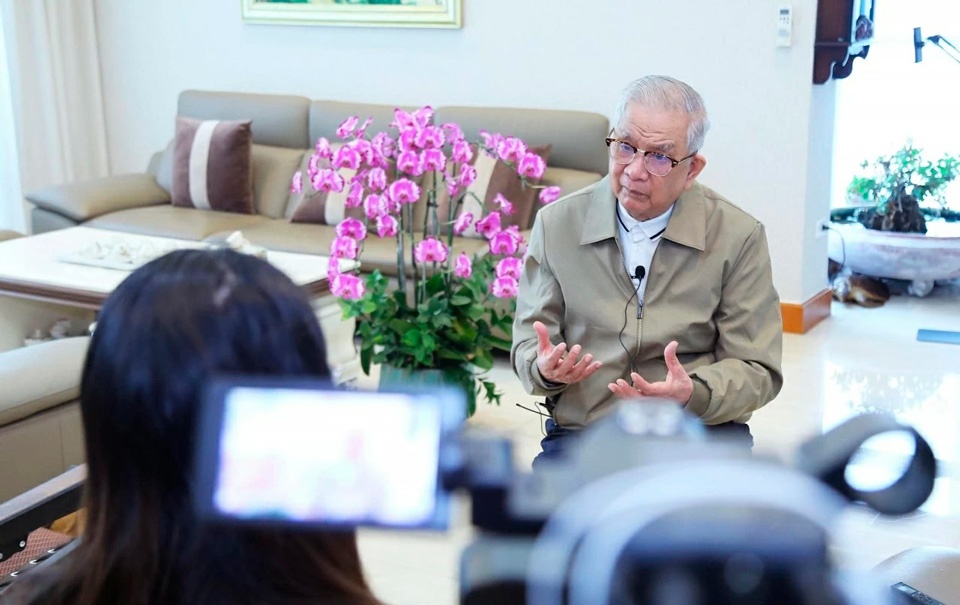
I follow each step of the development of Vietnam's foreign affairs, and each step forward makes me very happy and content. The development of the Foreign Affairs sector is like a "tonic" that helps me live joyfully. At the age of 92, every day I feel happy and peaceful as the country continues to develop and foreign affairs are also advancing strongly.
Diplomacy - A Driving Force for Development
In the context of profound global changes, Vietnamese diplomacy faces very fundamental renewal requirements.
First, it is about renewing strategic thinking on national development, including thinking about foreign affairs and international integration. Development orientations to 2030 and vision to 2045 have clearly defined the goal of building a prosperous and powerful Vietnam based on a new growth model, driven by science, technology, innovation, digital transformation, and green transformation. This is the foundation to determine the development direction of foreign affairs in the new phase.
Alongside this, foreign affairs must contribute to creating a favorable strategic environment for peace, stability, and security of the country, while enhancing Vietnam's position in the process of international integration.
After four decades of international integration, Vietnam has formed a tightly linked economic system and supply chain with the country's development. Along with that is the increasingly elevated position through active participation in international mechanisms and activities. These are very important foundations for foreign affairs to continue being elevated.
Foreign affairs must keep pace with the renewal and development thinking of the country. Vietnam must not only continue to integrate but must integrate at a higher level.
This requires continuing to consolidate the development space and supply chains that Vietnam has participated in; at the same time, expanding new cooperation spaces. Recent advances in relations with the Middle East, Africa, and Latin America show that Vietnam's cooperation potential is still very large.
More importantly, Vietnam needs to participate in higher value-added segments in global supply chains. Signing many free trade agreements is a great advantage, but the current issue is how to exploit these FTAs at higher development levels.
Besides, the transfer of science and technology must become a focal point of foreign affairs in the new phase. Only by accessing advanced technologies can Vietnam create new growth drivers and improve development quality.
Another extremely important requirement is ensuring the sustainability and resilience of supply chains against strategic competition, geopolitical shifts, or shocks from the global economy. Recent experiences in dealing with crises, especially related to energy and supply chains in the Middle East, show that this is a long-term lesson for Vietnam.
To meet these requirements, the team of foreign affairs officials also needs a strong transformation:
First, they need to grasp the new strategic thinking on Vietnam's foreign affairs within the overall national development strategy to 2030 and vision to 2045.
Second, they need to clearly understand that today's foreign affairs not only perform traditional foreign functions but have become a part of creating growth and development drivers, as well as creating a favorable security environment for the country. This requires foreign affairs personnel to directly contribute to realizing these development goals.
Third, the team of foreign affairs officials must proactively approach science, technology, and innovation to create new development drivers. Today's foreign affairs personnel not only need to master international issues but also deeply understand specialized fields related to development.
Foreign affairs are being placed in a new position. Recent Party resolutions have defined foreign affairs not only as a pioneering field but also as a critical, regular one. This is a very important change in thinking.
Pioneering means that foreign affairs must lead in many areas, from forecasting international situations, advising policies with partners, early identifying risks that could impact the security and development environment of the country, to promoting the connection between diplomacy and economic development, especially in leveraging science, technology, and innovation.
At the same time, with its role as a critical, regular field, foreign affairs cannot be separated from defense, security, or economy. Foreign affairs personnel need to have enough knowledge, ability to connect, and coordinate to advise not only in the field of foreign affairs but also in defense, security, and economy within the overall national development strategy.
A new requirement is that diplomacy must adapt to the modern international environment. Diplomacy based on science, technology, AI applications, digital technology, and the internet is not just an innovation in means but more importantly, an innovation in thinking and action methods.
Finally, Vietnam's foreign affairs are built on three pillars: Party diplomacy, State diplomacy, and people-to-people diplomacy; while closely combining central and local foreign affairs. In the new phase, it is necessary to promote the combined strength of all these pillars, especially to more effectively support the business community to participate more deeply in global supply chains, thereby directly contributing to the country's economic development.
The Power to Elevate Vietnam on the Global Stage
After 81 years of independence, Vietnam has not only established an increasingly solid position on the international stage but has also become a trusted partner of many countries. Behind this journey is a steadfast foreign policy, national solidarity, and an approach based on trust and sincerity in international relations.
It can be said that Vietnam is gradually becoming a model for turning "enemies" into "friends". Today, our country is not only part of an ever-changing world but also a positive factor contributing to shaping the future with a courageous spirit and responsibility for the common interests of the international community, demonstrating a strong commitment to promoting global peace and stability.
Many questions have been raised as to why Vietnam, a country once deeply scarred by war, poverty, and embargoes, not only did not collapse but also proudly and resiliently rose, becoming a symbol of tolerance, openness, loyalty, and solidarity in a world with a complex, unstable, and suspicious geopolitical context. What is Vietnam's secret?
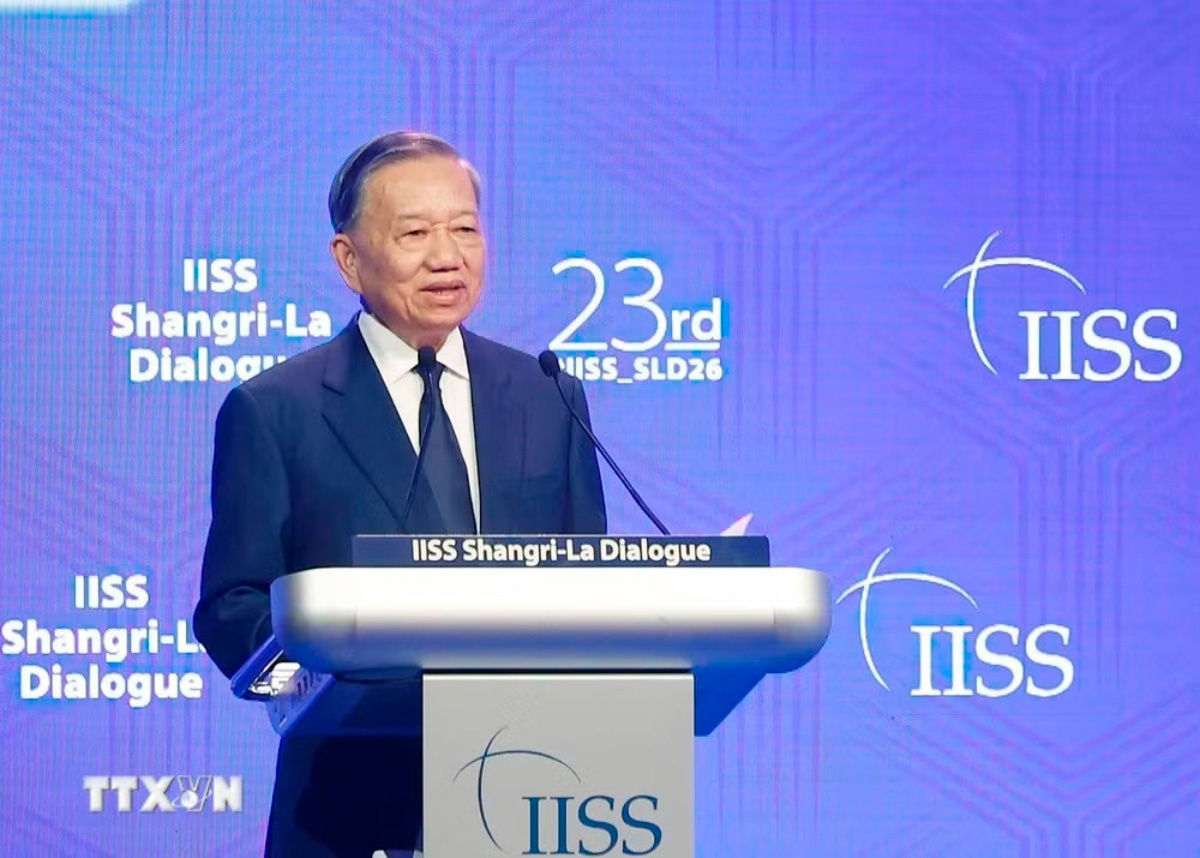
Looking back at the history of international relations, few nations have endured as much sacrifice and loss due to war and division as the Vietnamese people. More than anyone else, we Vietnamese cherish and value every moment of peace as well as the values of cooperation, solidarity, and development. At the same time, we also understand that for a country to rise strongly, have a bright future, and bring prosperity and happiness to its people, it must first have political stability, economic development, and maintain balance in international relations.
Therefore, for the past 81 years, under the leadership of the Party, Vietnam has persistently pursued a correct, consistent, independent, self-reliant, diversified, and multilateral foreign policy with strategic vision. The skillful and flexible application of Ho Chi Minh's diplomatic ideology, style, and art, following the motto "Dĩ bất biến, ứng vạn biến" (unchanging to adapt to changes), along with the art of "ngũ tri" (knowing oneself, knowing others, knowing the times, knowing when to stop, and knowing how to change) has helped Vietnamese diplomacy remain steadfast, proactive, creative, and sensitive in both adhering to principles to protect the nation's supreme interests and handling delicate and complex international relations to serve the country.
The Vietnamese people have tirelessly strived, suppressing their pain to "put the past behind, overcome differences, promote similarities, and look to the future", turning foes into friends, converting confrontation into dialogue, cooperating while struggling, and transforming adversaries into partners. This is also one of the elements that create the spiritual strength for Vietnam to overcome the past and garner support from both adversaries and friends.
The main perspective in promoting Vietnam's international relations is "trust, sincerity, and solidarity", because "trust erases hatred and differences; trust is a prerequisite to ensuring all cooperation relationships are strong, effective, and substantial". At the same time, sincerity helps parties enhance sharing, empathy, and consolidate hope and trust. Besides, "domestic solidarity creates the strength of each nation, people, and the entire populace", while "international solidarity, upholding multilateralism, will create global strength".
The secret to Vietnam's strength lies in the great national unity bloc and the consensus of the entire political system under the Party's leadership. Within this overall strength, Vietnamese foreign affairs are always closely linked with national defense, security, economy, and culture to fulfill the task of national development while contributing to enhancing the national position. Through flexible and creative strategies, Vietnamese diplomacy has contributed to maintaining independence and self-reliance, preventing the country from falling into a passive or dependent position amidst competition among major powers.
In summary, today, Vietnam is not only an active member of the international community but also an important bridge for peace and sustainable development. One of the factors contributing to this success is the trust the world places in Vietnam's sincerity. This trust will continue to be nurtured on the universal values of humanity along with the fine traditions of the Vietnamese people: solidarity, loyalty, and benevolence.
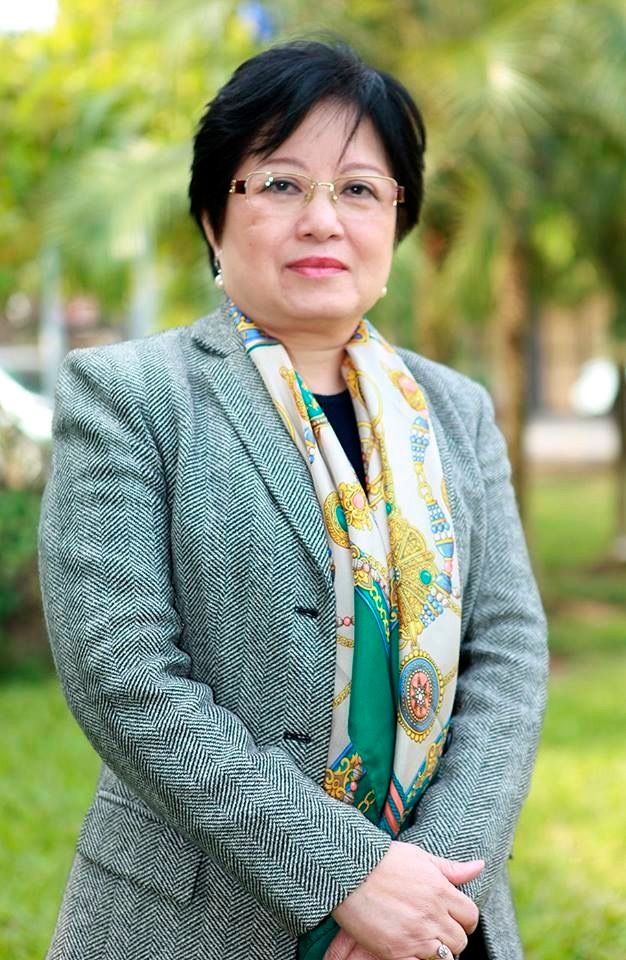
The Calm Storyteller
Vietnam, once associated with images of war and poverty, now emerges as a dynamic economy, a crucial link in the global supply chain, and an increasingly valued partner in regional strategic calculations. From "self-reliance to survive" amidst bombs and blockades, Vietnam steps into an era of "self-reliance with new strength and position", with a more solid development foundation, higher international standing, and a longer-term vision.
In this journey, Vietnamese diplomacy plays an extremely important role, not only contributing to protecting national sovereignty and interests but also participating in shaping and conveying the story of a self-reliant and self-sufficient Vietnam, flexible yet consistent, turning challenges into opportunities for cooperation and development. And then, amidst the fast-paced rhythm of today's world, the words "Vietnam" appear more frequently in dialogues, high-level visits, and multilateral forums where nations discuss the future. There, diplomacy emerges as a calm storyteller through handshakes and agreements, connecting the past and present, using the language of dialogue and cooperation to recount the country's self-reliance journey, about a Vietnam that will go further on its development path.
Diplomacy tells the story of self-reliance with "new strength" through persistently expanding and deepening the network of relationships. The established partnership frameworks and elevated levels of cooperation over time are not only milestones in bilateral relations but also highlights that show Vietnam has become a more important partner in the strategic calculations of many countries. In each step, diplomacy strives to maintain harmony, diversifying relations while ensuring that each relationship is based on mutual respect and shared interests. The story of self-reliance here is that the more partnerships are expanded, the more national identity and interests must be preserved.
Vietnam's "new strength" is also clearly demonstrated in international organizations. At forums from ASEAN to the United Nations, Vietnam is no longer a member that goes unnoticed but a voice consistently associated with values such as respect for international law, resolving disputes by peaceful means, and emphasizing the role of medium and small countries in a rules-based order. The responsibilities undertaken, from being a non-permanent member of the Security Council to chairing many international conferences, have provided opportunities for Vietnam to showcase the "new strength" of a nation participating in shaping the rules of the game, rather than just adapting to rules set by others.
In this aspect, the story "Vietnam's self-reliance with new strength" that diplomacy tells the world is about a country with an increasingly stable position, a wider network of relationships, a voice with increasing weight, yet still maintaining moderation, consistency, and the ability to say "no" to pressures that go against national interests. It is not a story of seeking a high ground to stand alone, but a story of finding a suitable position within the common structure, enough for Vietnam to confidently choose its development path.
If "new strength" shows where Vietnam stands in international life, then "new power" answers the question of what Vietnam has in hand to confidently move forward. Here, diplomacy not only speaks of position but also tells of the inner vitality of a country transforming in economic strength, social resilience, human intelligence, and development aspirations. These stories help international friends understand that Vietnam's self-reliance today is no longer self-reliance in scarcity but self-reliance in creating the future.
First, diplomacy tells the story of an economy self-creating "new power" for itself. From macroeconomic stability policies, market diversification, promoting innovation, digital transformation, green transformation... to improving human resource quality, enhancing regional connectivity, all create a consistent development story, emphasizing that Vietnam not only desires to grow in scale but also aims for sustainability in quality, so each step forward is a step that further consolidates self-reliance.
An important part of "new power" is the soft power of culture, values, and conduct. Cultural diplomacy, people-to-people diplomacy, academic, artistic, and sports exchange programs... are channels for Vietnam to introduce the identity of a culture with a rich history yet very modern, a society that values harmony, kindness, respects rules, efficiency, and transparency.
Diplomacy also tells the story of self-reliance with "new power" through Vietnam's aspiration to become a developed, high-income country, building a green, inclusive economy, and developing based on knowledge. Diplomacy contributes to bringing these aspirations to the world, not to boast ambitions, but to find common ground between Vietnam's aspirations and the common interests and responsibilities of the international community, while sending the message that we want to go further, and on that path, we want to share experiences, resources, and responsibilities with friends.
In the perception of many, Vietnam's journey is like a river that has traversed many bends but still persistently finds its way to the open sea. Today, that flow carries "new strength" - a clearer position in international life, and "new power" - vitality nurtured from the economy, society, culture, and people. In that flow, diplomacy acts as a calm storyteller, building bridges of connection, commitments towards stability and development. Using the language of peace and cooperation, diplomacy weaves the story of Vietnam's self-reliance, with new strength and power to journey further with friends on the path towards a peaceful, prosperous future.
Content: Ha Phuong; design: Lim Dim; Image sources: TGVN, TTXVN, VGP…