
 |
Administrative reform is profoundly reshaping Vietnam's urban system, while posing major challenges to cities that were once recognized by UNESCO as official members of the Global Network of Learning Cities (GNLC). Furthermore, as the number of cities is reduced through this restructuring process, Vietnam faces the risk of diminished capacity to participate in GNLC in the future.
This article reflects on the more than decade-long journey of Vietnamese cities striving to join GNLC, and proposes strategic adjustments to ensure that no learning community is left behind amidst sweeping administrative transitions.
 |
Vietnam is undergoing an unprecedented restructuring of its modern administrative system, aimed at streamlining the apparatus, optimizing resources, and improving the effectiveness of local governance. In this process, urban areas—from provincial capitals to satellite towns—are being reorganized, merged, and renamed to form new administrative units that are more modern, efficient, and adaptable.
Along with these structural changes comes a critical question, particularly for localities that have been officially recognized by UNESCO within the GNLC:
Will the values accumulated over the years, from lifelong learning policies to knowledge infrastructure, still be maintained, expanded, and replicated if these localities no longer carry the title of “city”?
Or perhaps this moment of transformation is an opportunity for Vietnam to redefine the mission of lifelong learning in a new direction—more flexible, inclusive, and aligned with the country’s evolving development context.
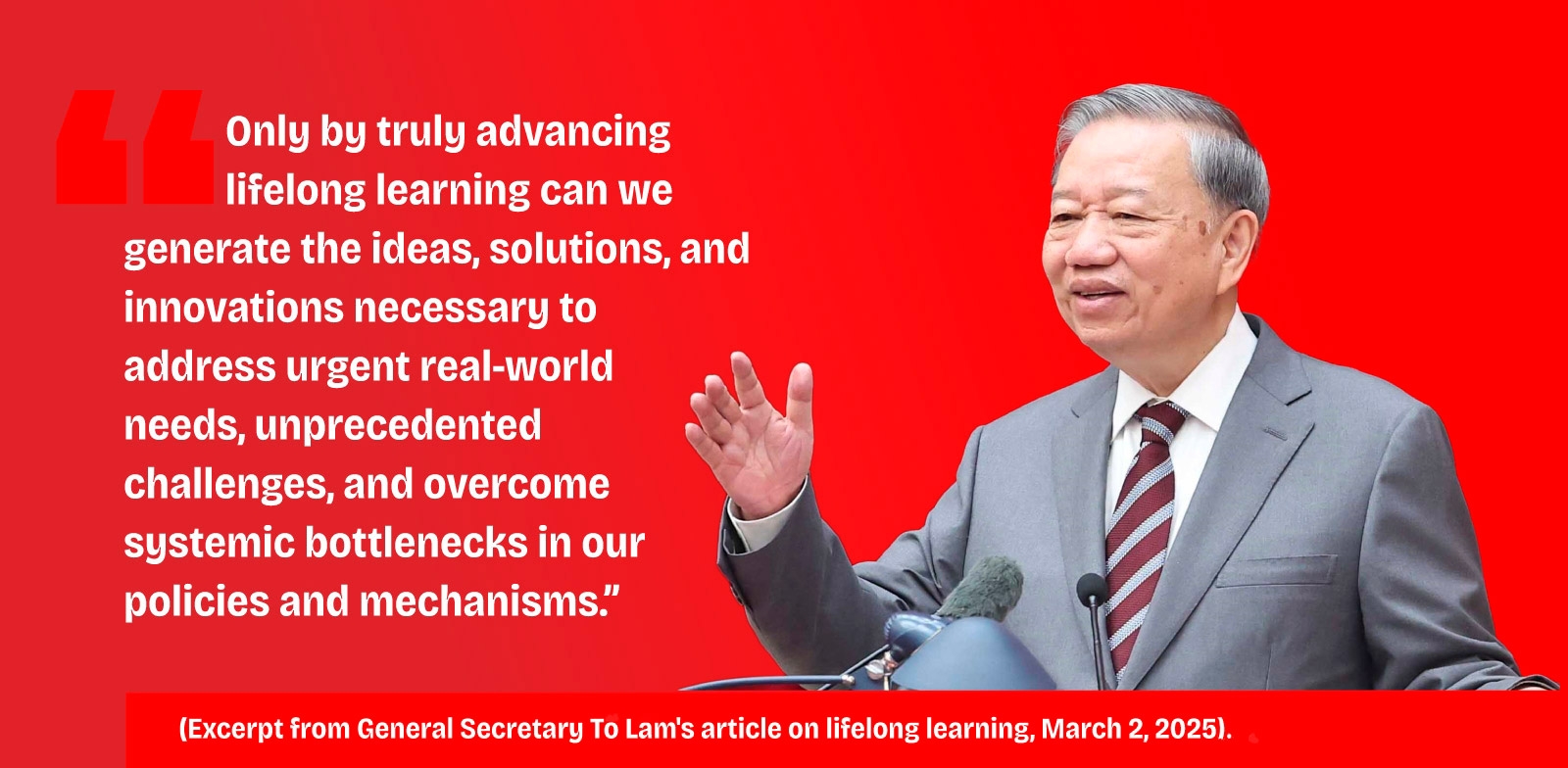 |
Beyond the potential loss of recognition status, another looming challenge is the restriction in future opportunities to join the GNLC. According to the roadmap for administrative restructuring, Vietnam’s 88 existing cities will be consolidated into only six centrally governed cities after the reforms. This would mean that many localities would no longer meet the formal eligibility criteria for GNLC membership, simply because they would no longer be classified as “cities.”
This is not merely a technical or legal issue but an interdisciplinary dilemma requiring coordination among urban planning, community education, and international integration strategies. Vietnam stands at a crucial crossroads:
Either we proactively adapt and propose innovative solutions that are both locally relevant and globally aligned, or we accept a diminished role and participation in one of the world’s most prestigious learning networks.
 |
Since UNESCO launched the Global Network of Learning Cities (GNLC) in 2013, Vietnam’s participation has marked a clear and profound shift in development thinking, particularly in the areas of urban planning, lifelong learning, and international integration. A decade ago, the concept of a "learning city" was relatively new, often misunderstood, and at times mistaken for short-term educational campaigns. Today, it has been redefined as a strategic approach to local governance and sustainable development.
This transformation has extended beyond central-level policymaking and has increasingly influenced the thinking of local leaders. While education was once viewed as a separate sector, the learning city model has prompted localities to regard lifelong learning as a key pillar of economic, cultural, social welfare, and digital development. In other words, GNLC has become a mechanism for transforming the development mindset: from infrastructure-led management to knowledge investment; from industrial cities to knowledge-based, human-centered cities.
 |
| Ms. Tran Thi Cam Tu, former Vice Chairwoman of the People's Committee of Vinh City, shares experiences on promoting lifelong learning for the elderly through digital platforms with other GNLC member cities. |
The official recognition of Vinh City (Nghe An Province) and Sa Dec City (Dong Thap Province) as UNESCO learning cities in 2020 marked a turning point. These localities realized early on that, even without being major economic hubs, they could still optimize resources for education and development if guided by a clear vision and strong political will. These cities invested in knowledge infrastructure such as libraries, community learning centers, adult learning programs, reading culture initiatives, and intergenerational education.
The key lesson from the models of Vinh and Sa Dec is this: A learning city is not a title reserved for the wealthiest, it is for places that dare to place people at the center and cultivate knowledge as a shared asset.
The addition of Cao Lanh City to the GNLC in 2022, followed by Son La City and Ho Chi Minh City in 2024, further deepened and diversified Vietnam’s presence in the network.
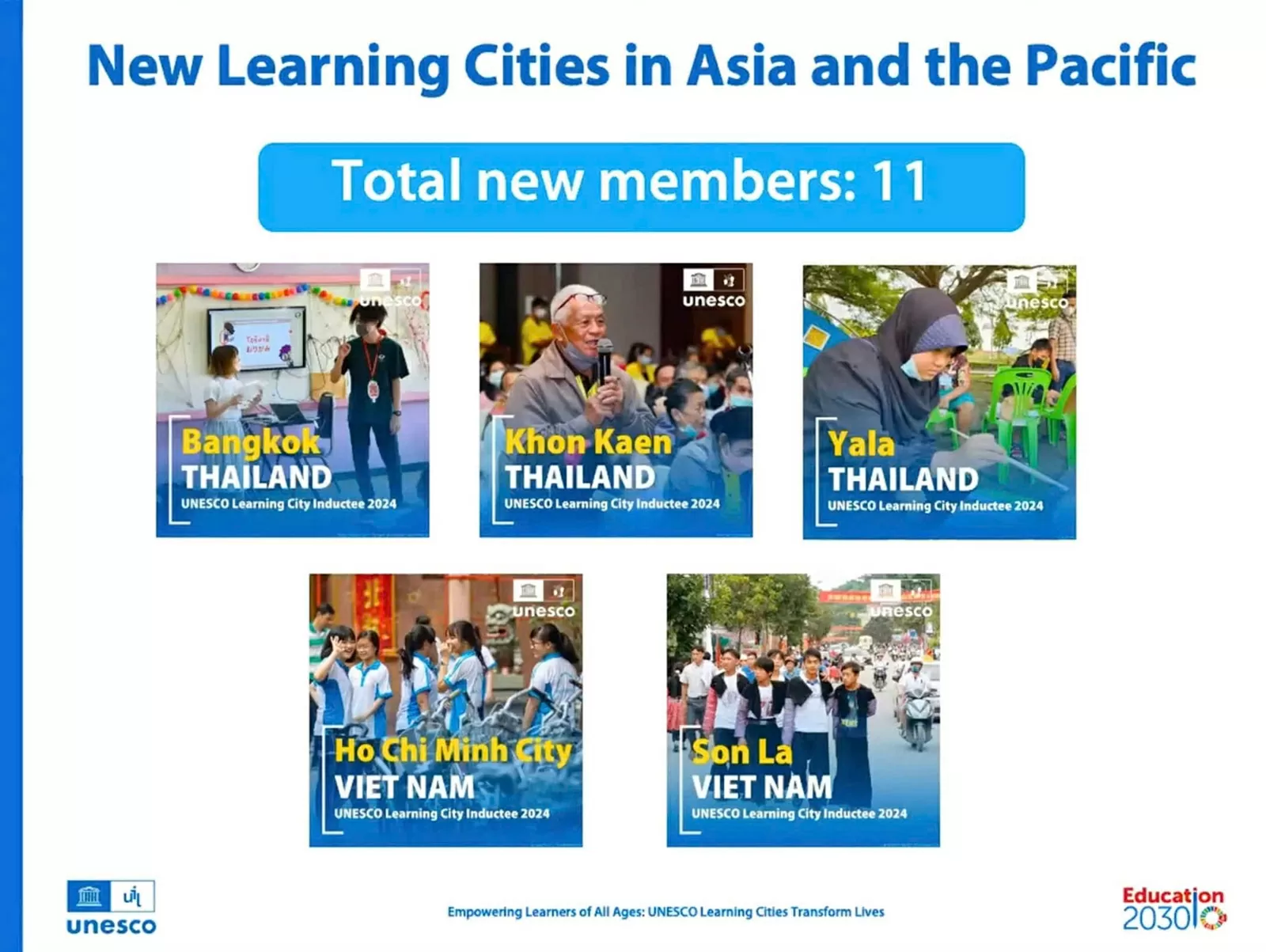 |
| UNESCO announces Son La City and Ho Chi Minh City as official GNLC members in 2024. |
Ho Chi Minh City represents a dynamic mega-metropolis at the forefront of technology, digital transformation, and liberal education, while Son La embodies a culturally rich mountain city, with community-based learning models built on ethnic knowledge and traditional wisdom. This diversity has allowed Vietnam to affirm a unique footprint in the GNLC: Rather than chasing a uniform model, the country chooses localized approaches tailored to regional realities and cultural identities.
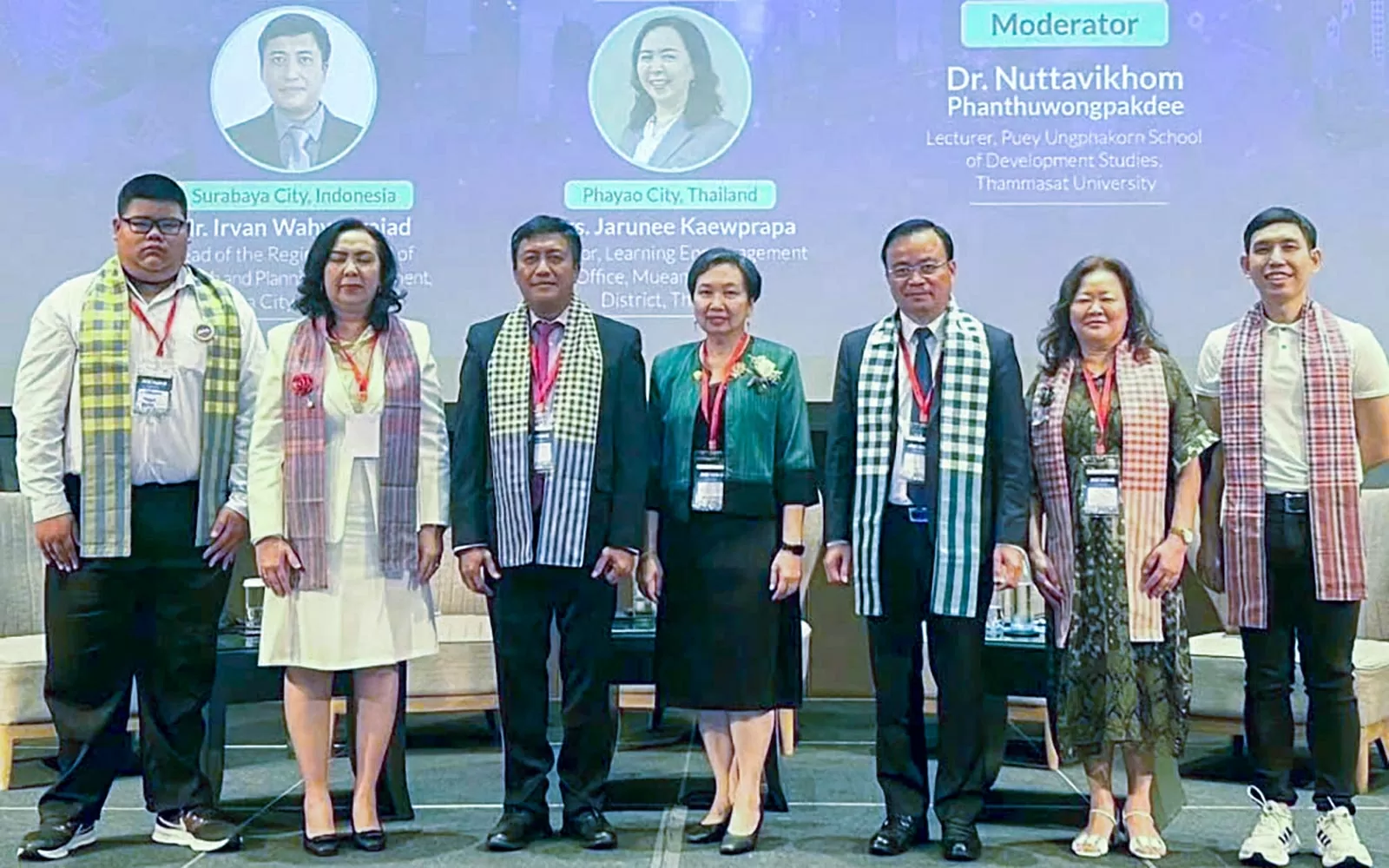 |
| Mr. Ha Trung Chien, former Secretary of Son La City’s Party Committee, shares experiences on building learning communities for ethnic minority groups at the ASEAN+3 Learning Cities Conference in Bangkok, Thailand. |
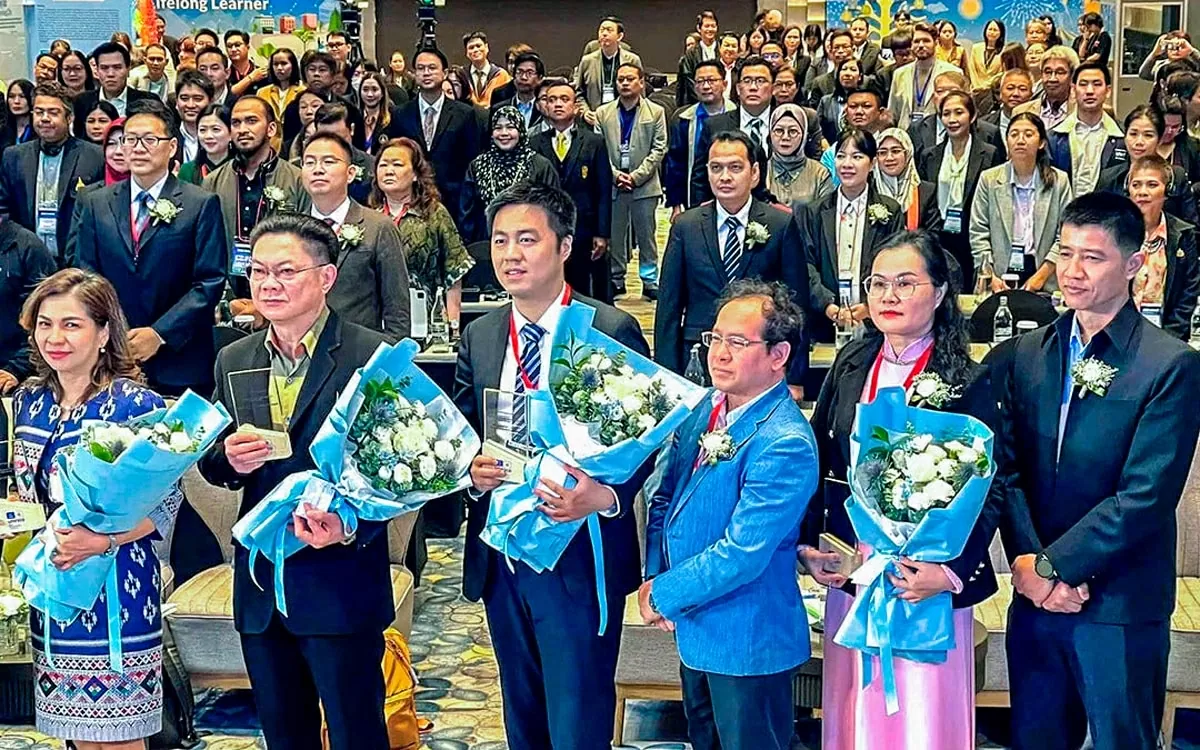 |
| Ms. Le Thuy My Chau, Deputy Director of Ho Chi Minh City’s Department of Education and Training, presents insights on building a learning city at the ASEAN+3 Learning Cities Conference in Bangkok, Thailand. |
At the same time, Vietnam’s strategic vision for learning cities has been reflected in a series of major national policies. These include the Project on Building a Learning Society for the period 2021 to 2030, the International Integration Strategy in Education and Training through 2030, and the Education Development Strategy through 2030 with a vision to 2045. Complementing these are national target programs on digital transformation, gender equality, and rural development. Many of the core principles of the GNLC, such as community education aligned with sustainable development and the application of technology to promote lifelong learning, have been flexibly incorporated, allowing localities to design models tailored to their specific contexts.
As a result, the learning city has emerged as a new framework of governance in which the learning capacity of citizens is considered a key indicator of urban strength. International engagement is now defined not only by economic or technological cooperation but also by the exchange of knowledge and shared humanistic values.
 |
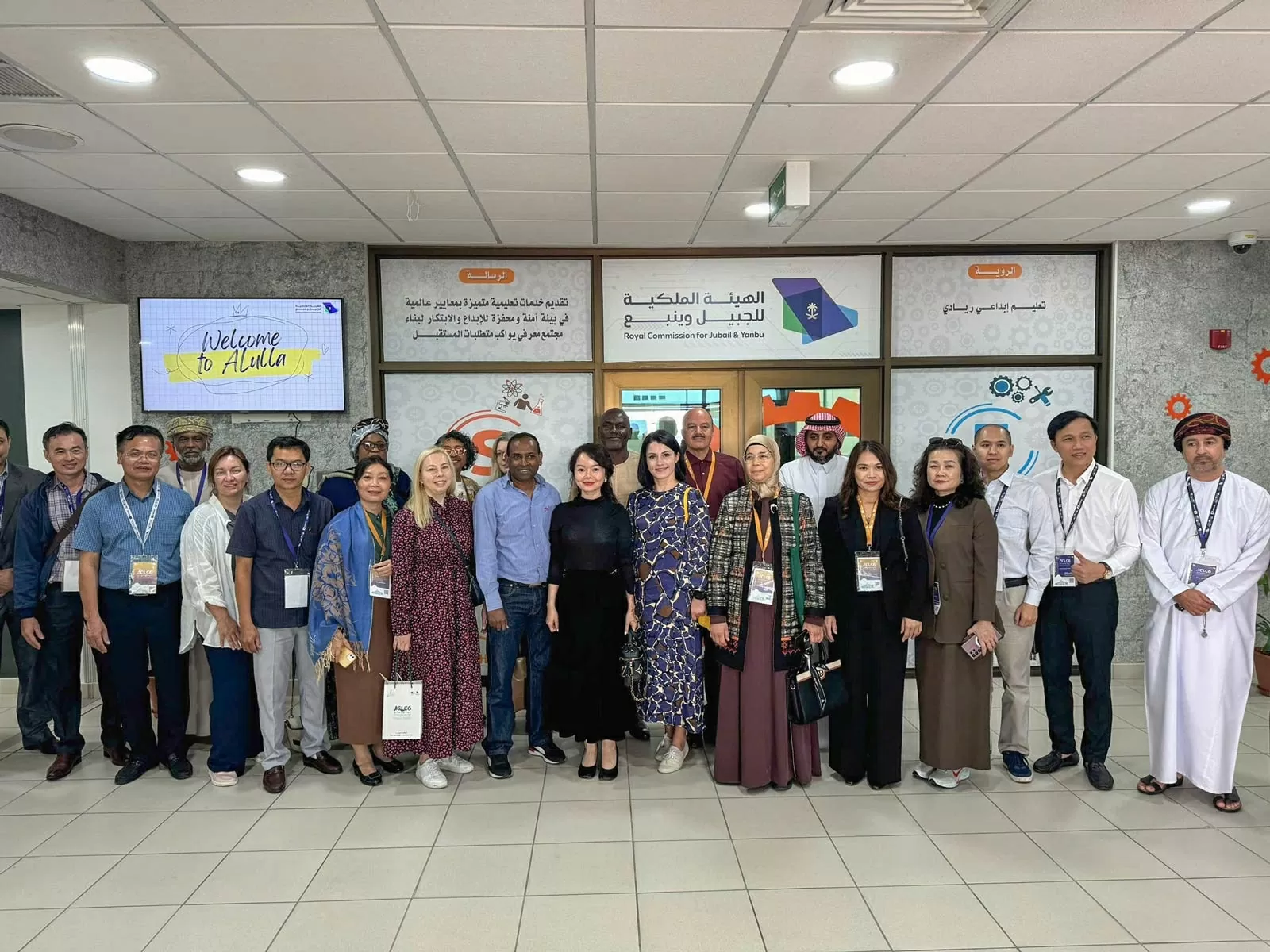 |
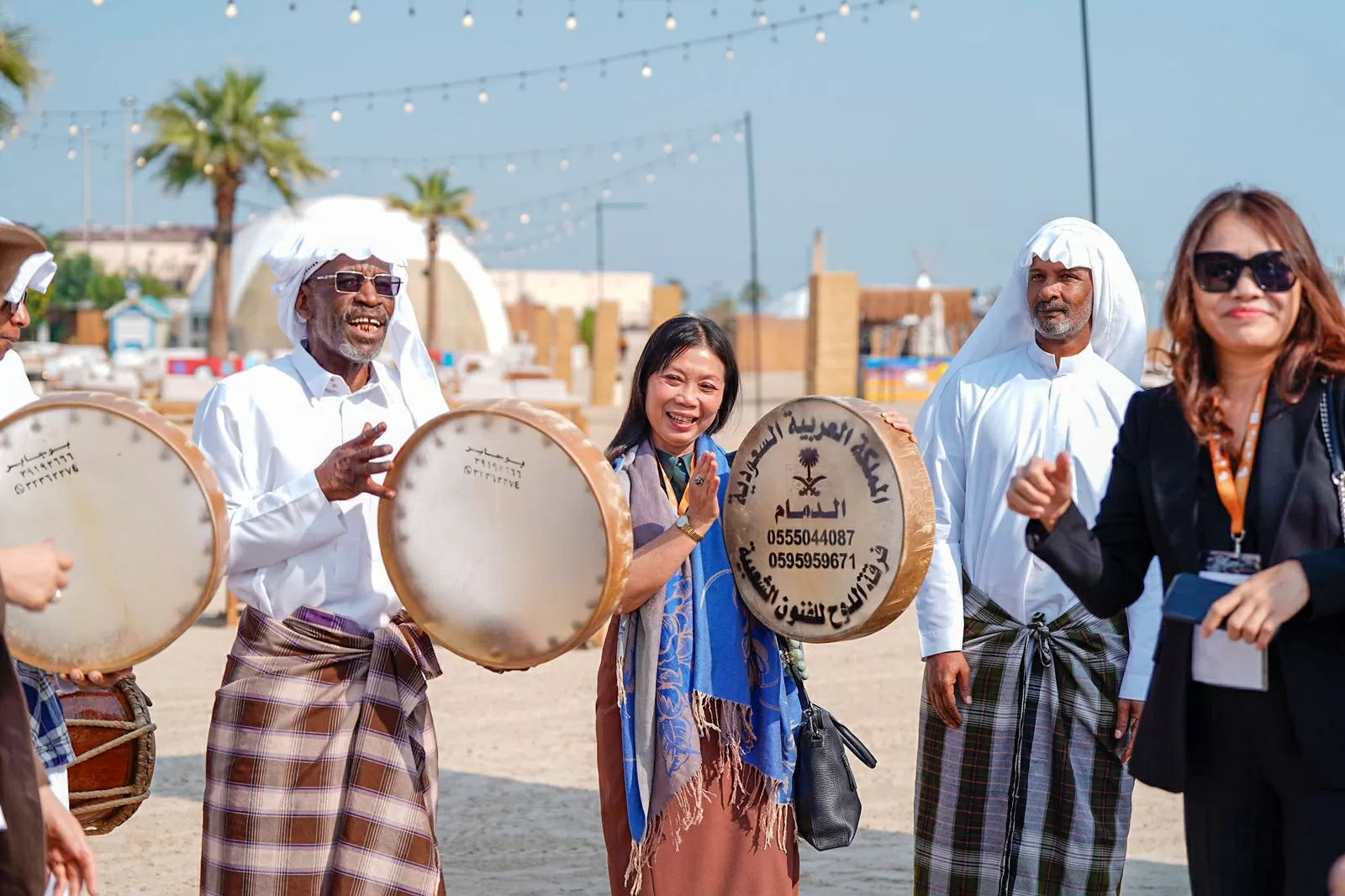
| Representatives from Vietnam’s GNLC cities (Vinh, Cao Lanh, and Son La) engage in dialogue and exchange experiences with GNLC member cities worldwide. |
 |
After a decade of evolving from awareness to action, Vietnam has begun to shape a distinct identity within the GNLC. As the country’s vision and influence in the network are expanding, a sweeping wave of administrative reform (2025–2026) presents a significant challenge, requiring a complete rethinking of strategies and policy recommendations related to GNLC participation in the years ahead.
In reality, the merging of districts, towns and cities nationwide not only redraws Vietnam’s provincial urban map, it also creates an unprecedented situation for maintaining and expanding GNLC membership. Many localities that had been actively preparing their applications for GNLC membership in 2025 were forced to suspend their plans, not due to a lack of capacity, but because they no longer met the temporary administrative criteria.
|
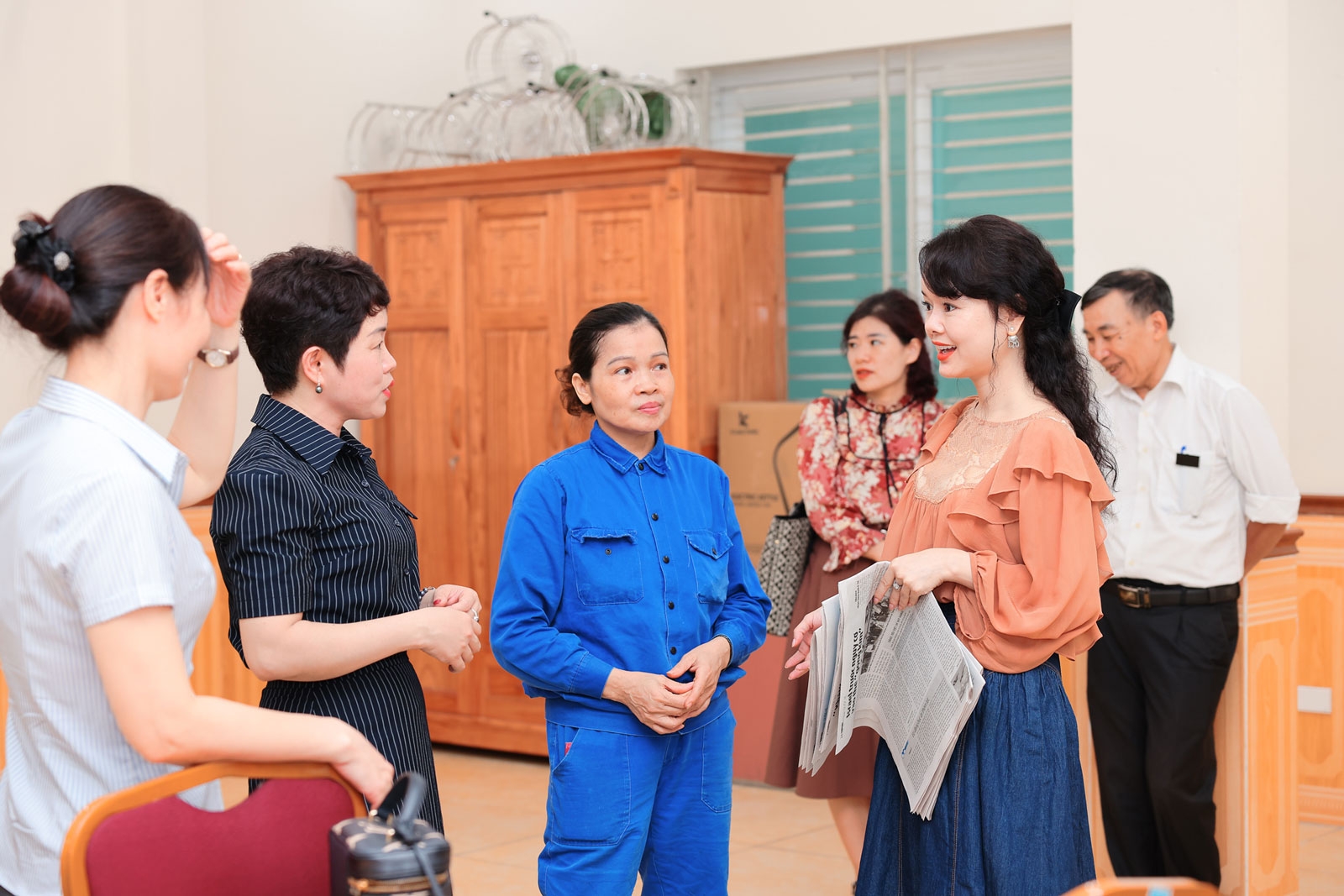
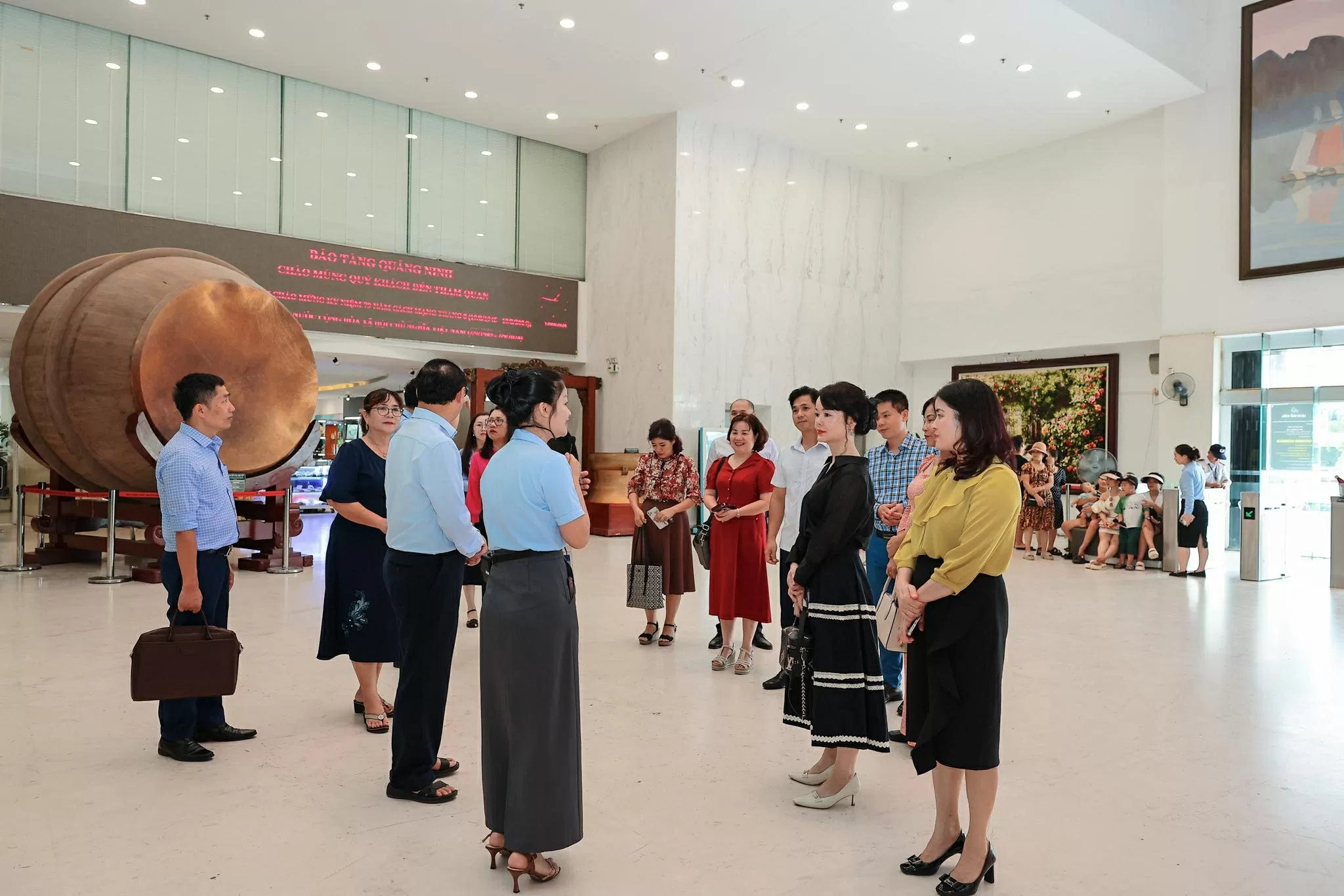
Ha Long City and Uong Bi City (former administrative titles) conducted surveys of libraries, museums, industrial zones, and organized expert consultation workshops in preparation for their GNLC applications. These are among several cities across the country that have suspended their submissions for the 2025 GNLC selection round due to changes in administrative status. |
In this context, Hanoi has emerged as the sole candidate representing Vietnam in the 2025 application round. At the Lifelong Learning Forum held on April 26, 2025, Jonathan Baker, Head of the UNESCO Representative Office in Vietnam, affirmed that continuous learning is a global trend and expressed strong support for Hanoi’s GNLC candidacy. He noted that the city has demonstrated strategic vision and sustained commitment to promoting lifelong learning, aligning with the national learning society agenda and UNESCO’s criteria for global learning cities.
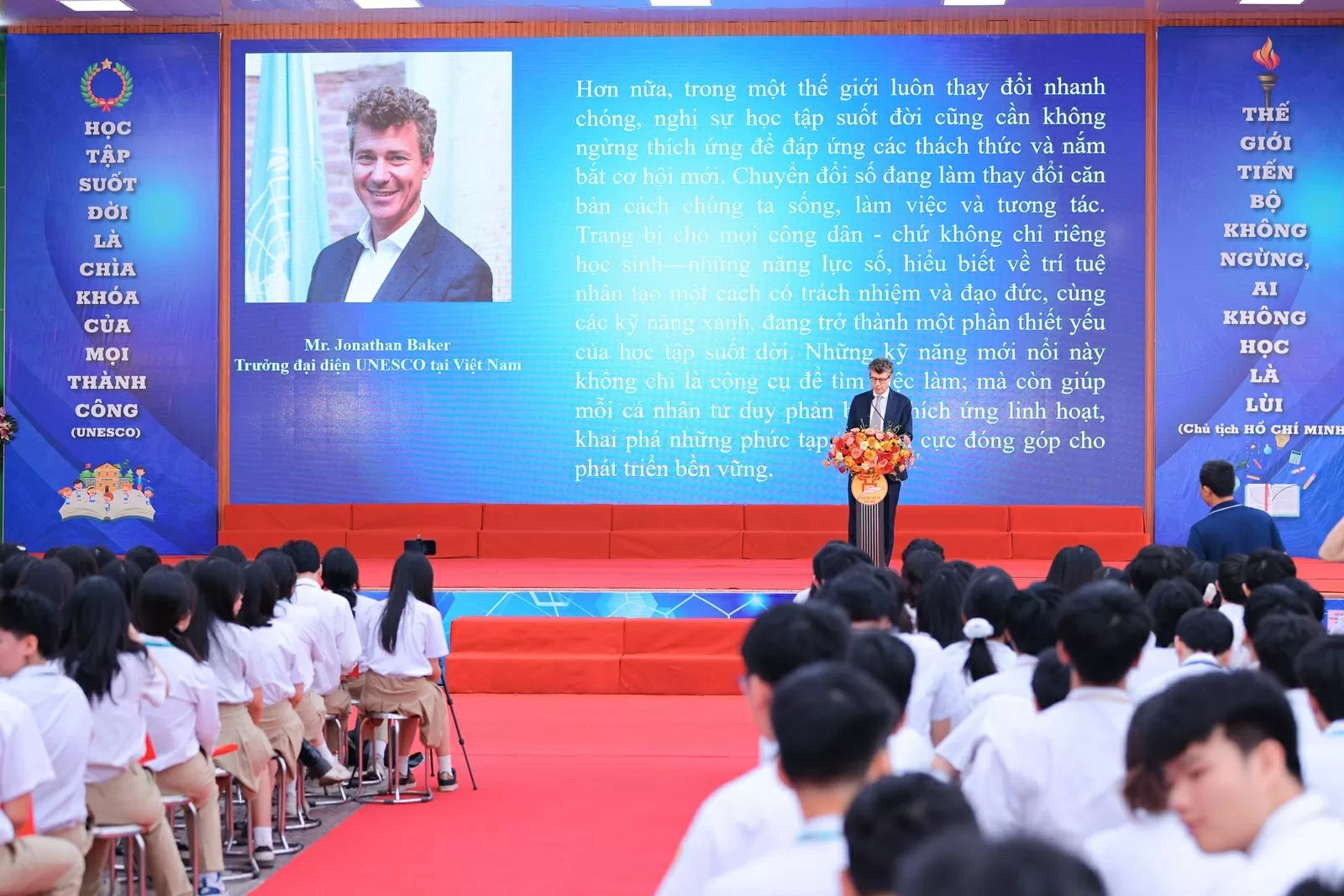 |
| Mr. Jonathan Baker, Head of the UNESCO Office in Vietnam, speaks at the Lifelong Learning and Learning Society Forum. |
Speaking at the consultation workshop on Hanoi’s GNLC application held on June 4, Mr. Dao Quyen Truong, Deputy Director-General of the Department of External Relations and Cultural Diplomacy, Ministry of Foreign Affairs, remarked that Hanoi’s candidacy stands out not merely because it is the only submission in 2025, but because it is “deserving” and “symbolic” of a comprehensive learning city model.
Hanoi retains its “city” designation, and it embodies three major pillars of a 21st-century learning city: a robust knowledge base, rich cultural identity, and deep capacity for international integration.
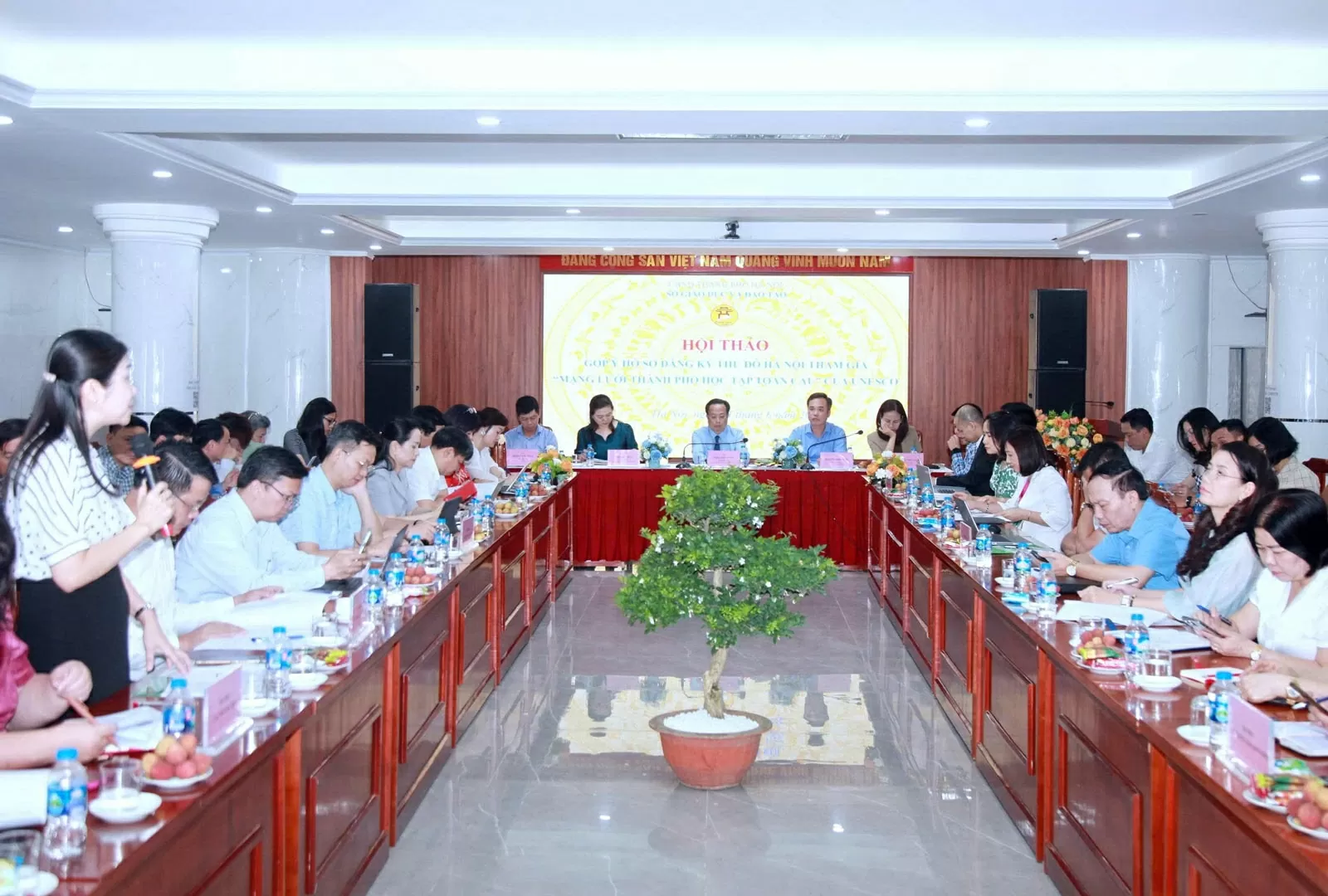 |
| Overview of the consultation workshop on Hanoi’s application to join the UNESCO Global Network of Learning Cities. |
In terms of knowledge, Hanoi is Vietnam’s largest center for education and research, home to over 70% of the country’s universities, academies, and research institutes, alongside an extensive network of libraries, community learning centers, creative spaces, and UNESCO-affiliated schools. More importantly, the city is pioneering models that combine traditional and modern learning: open learning, lifelong learning, and intergenerational learning - core orientations championed by the GNLC.
|
Hanoi city - UNESCO’s “City for Peace” and “Creative City”- is Vietnam’s sole candidate for GNLC membership in 2025. |
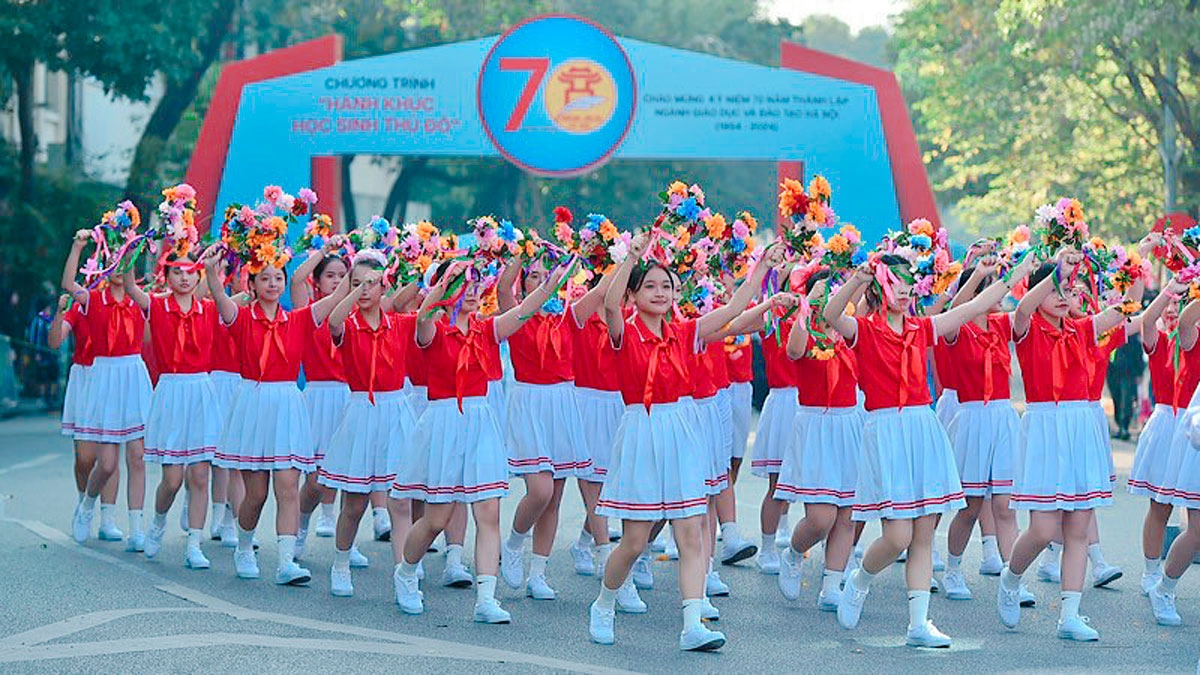
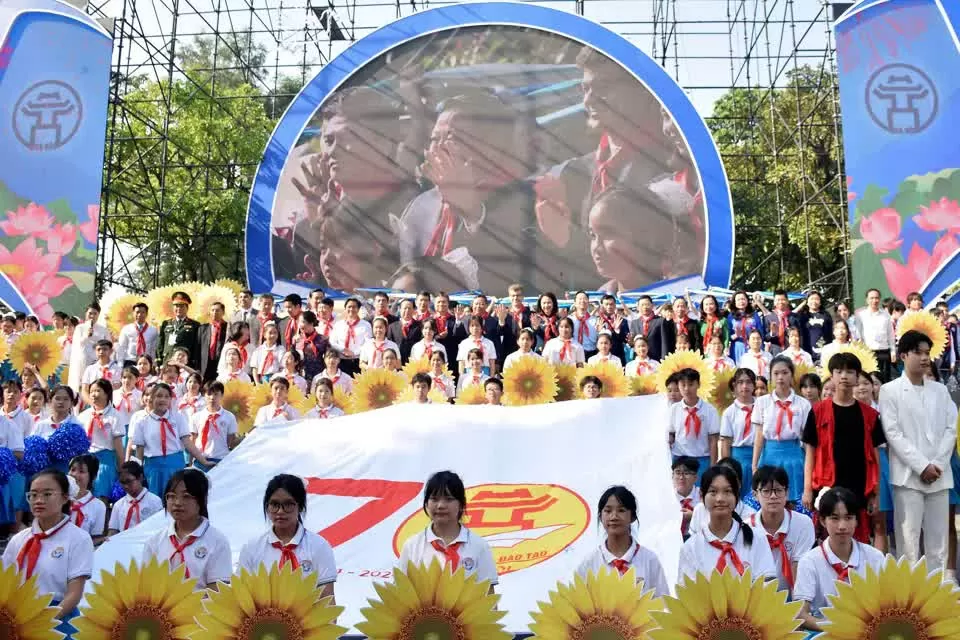
In terms of culture, the capital city not only preserves heritage but actively reinvents it through diverse community learning programs: from Tet Book Streets and lifelong learning forums to intergenerational folk festivals and the revival of traditional arts in educational spaces. Its dual recognition by UNESCO as both a “City for Peace” and a “Creative City” is testament to Hanoi’s deep commitment to cultural and intellectual heritage.
In terms of international engagement, Hanoi is not just a GNLC applicant, it is also a “storyteller” for Vietnam’s emerging ecosystem of learning. In the 2025 application cycle, Hanoi carries the responsibility of representing a distinctive model of community-based education in Vietnam, where learning is not confined to classrooms but expands into neighborhoods, community centers, residential clusters, and heritage spaces.
However, under current GNLC regulations, UNESCO allows each country to nominate up to three cities per selection cycle. In previous years, Vietnam has consistently taken advantage of this mechanism to showcase diverse models in terms of geography, scale, and approach. This year, with only Hanoi submitting an application, at least two national opportunities have been missed.
This situation signals the urgent need to prepare for future application rounds by advancing a more flexible legal framework and proposing an expanded mechanism to UNESCO.
Some emerging directions include submitting joint applications as urban clusters, or introducing new concepts such as “urban learning communities” or “learning wards” to replace the rigid “learning city” label. These are not merely technical adjustments, but strategic steps to ensure that, amid reform and integration, no learning community is left behind due to a change in administrative nomenclature.
 |
The term “city” is, at its core, a temporary administrative structure. In contrast, the true value of a learning city lies in its ability to foster an environment of lifelong learning, mobilize the participation of the entire society and promote holistic human development.
Guiding documents such as the Beijing Declaration and the Key fetures of Learning Cities emphasize that the defining feature of a learning city is its capacity to develop inclusive learning policies that ensure equitable access for all population groups, especially the most vulnerable. This spirit suggests that the learning city should be understood as a dynamic concept - expandable and adaptable to new patterns of urbanization.
Vietnam has both the foundation and the conditions to take the lead in proposing to UNESCO a new approach - one that bridges theoretical thinking with practical application. For instance, if localities like Sa Dec, Vinh, Cao Lanh, or Son La, even without the administrative title of “city,” continue to sustain and develop effective learning ecosystems, then revoking their GNLC membership would be not only unconvincing but contrary to UNESCO’s own inclusive and emancipatory principles.
It is time to shift the paradigm: A learning city should not be defined by its name, but by its commitment to sustainable education development. Recognition should be based on a locality’s capacity to implement learning policies, citizen participation, innovation in model design, and sustainability in community engagement. These are the true foundations for long-term development - ones that transcend the limitations of administrative boundaries.
Vietnam’s proposal to adjust GNLC membership criteria is not merely a technical petition for a domestic circumstance, it is a dialogue with a global education network about the need to update how we conceptualize and operate an international framework, especially as governance structures are changing rapidly across the world.
|
| ||
|
|
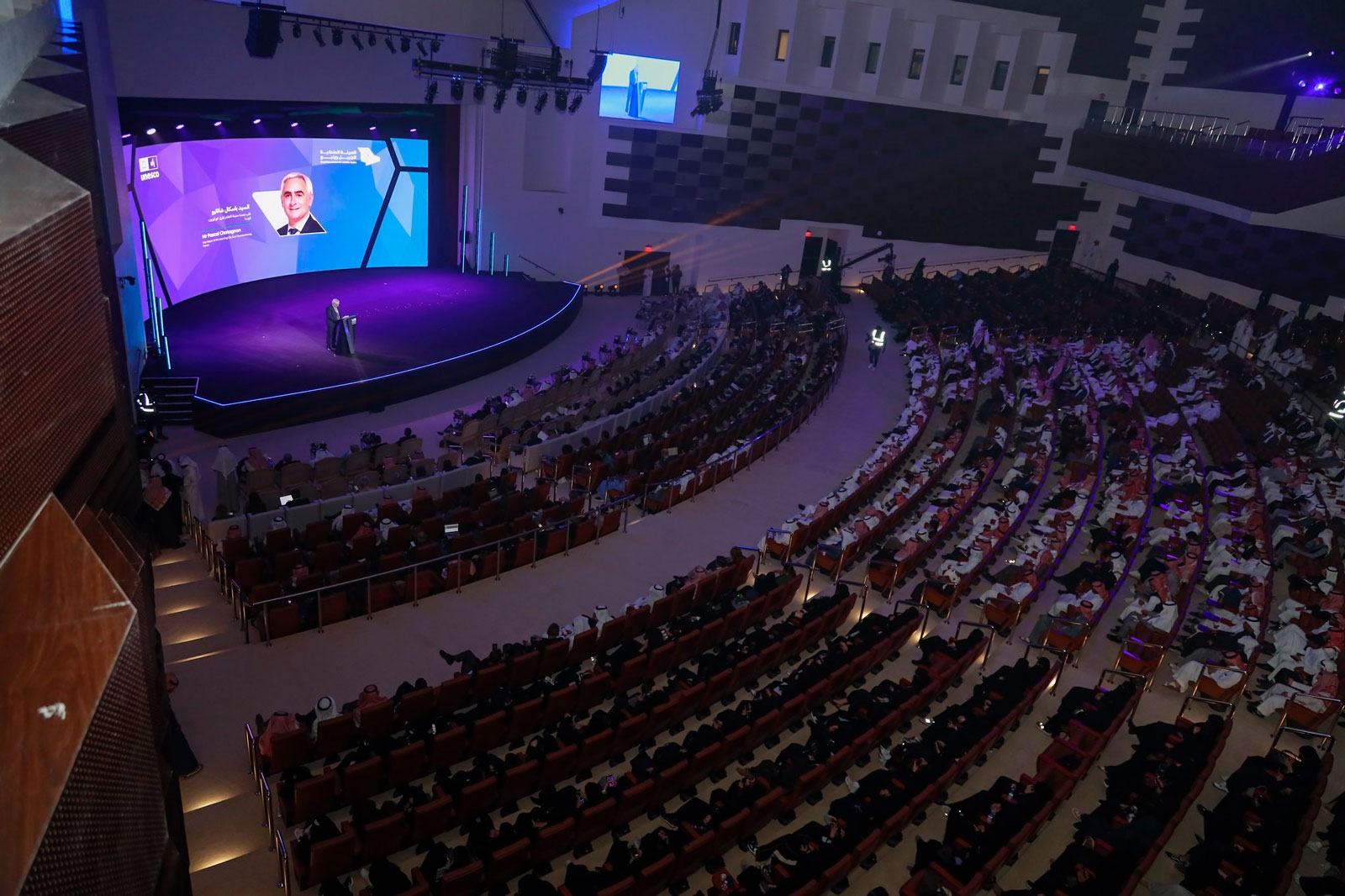
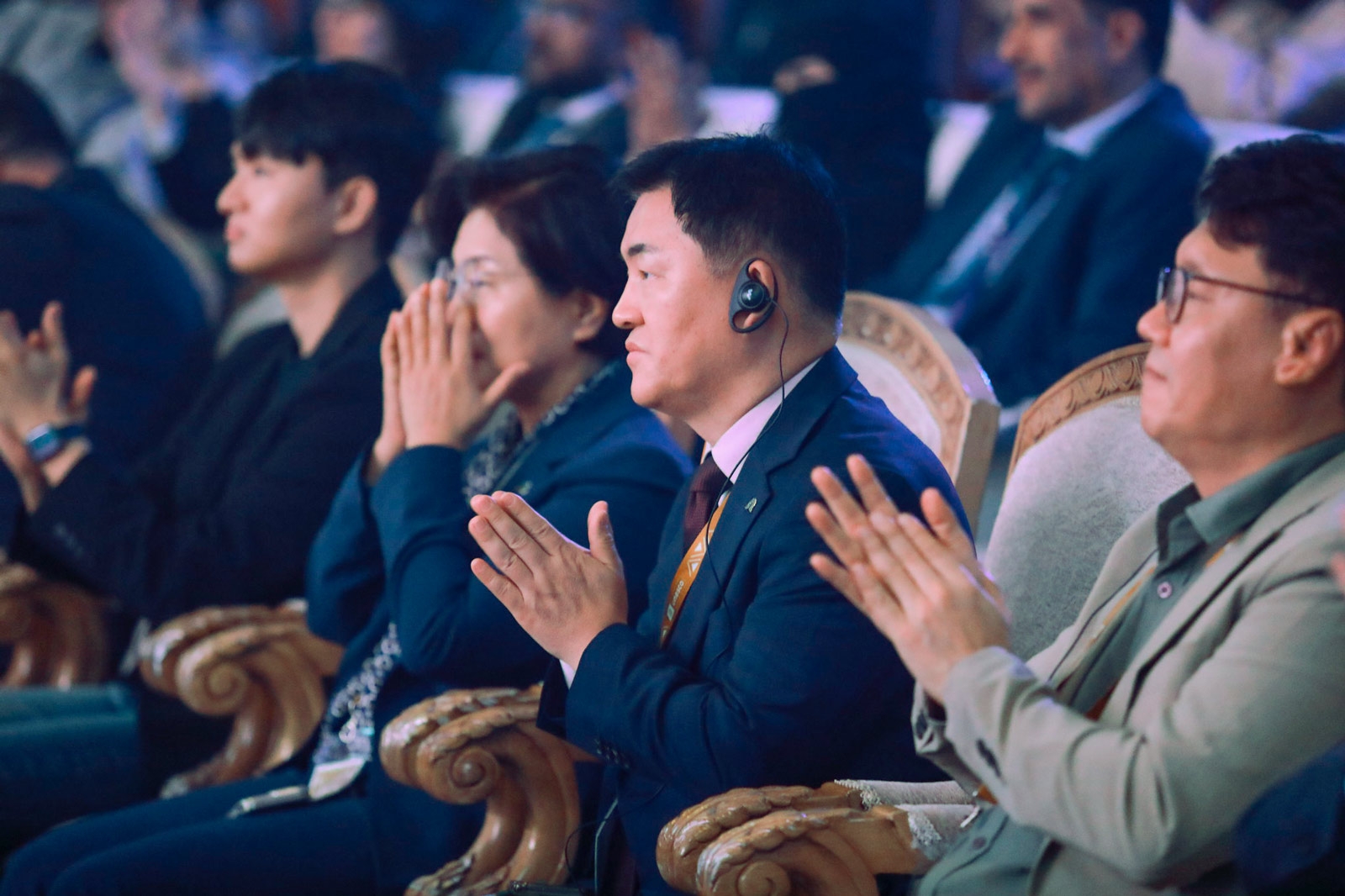
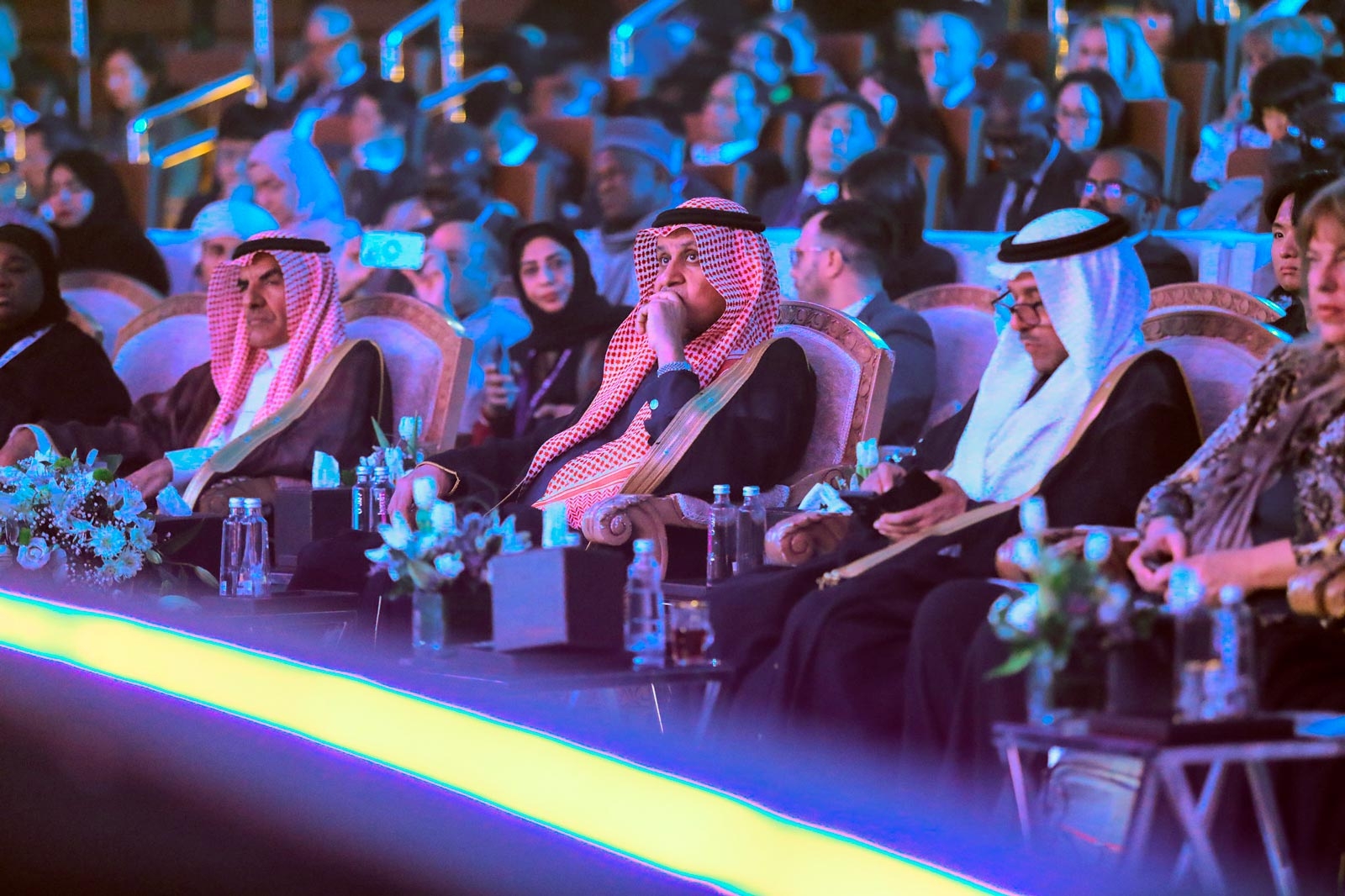
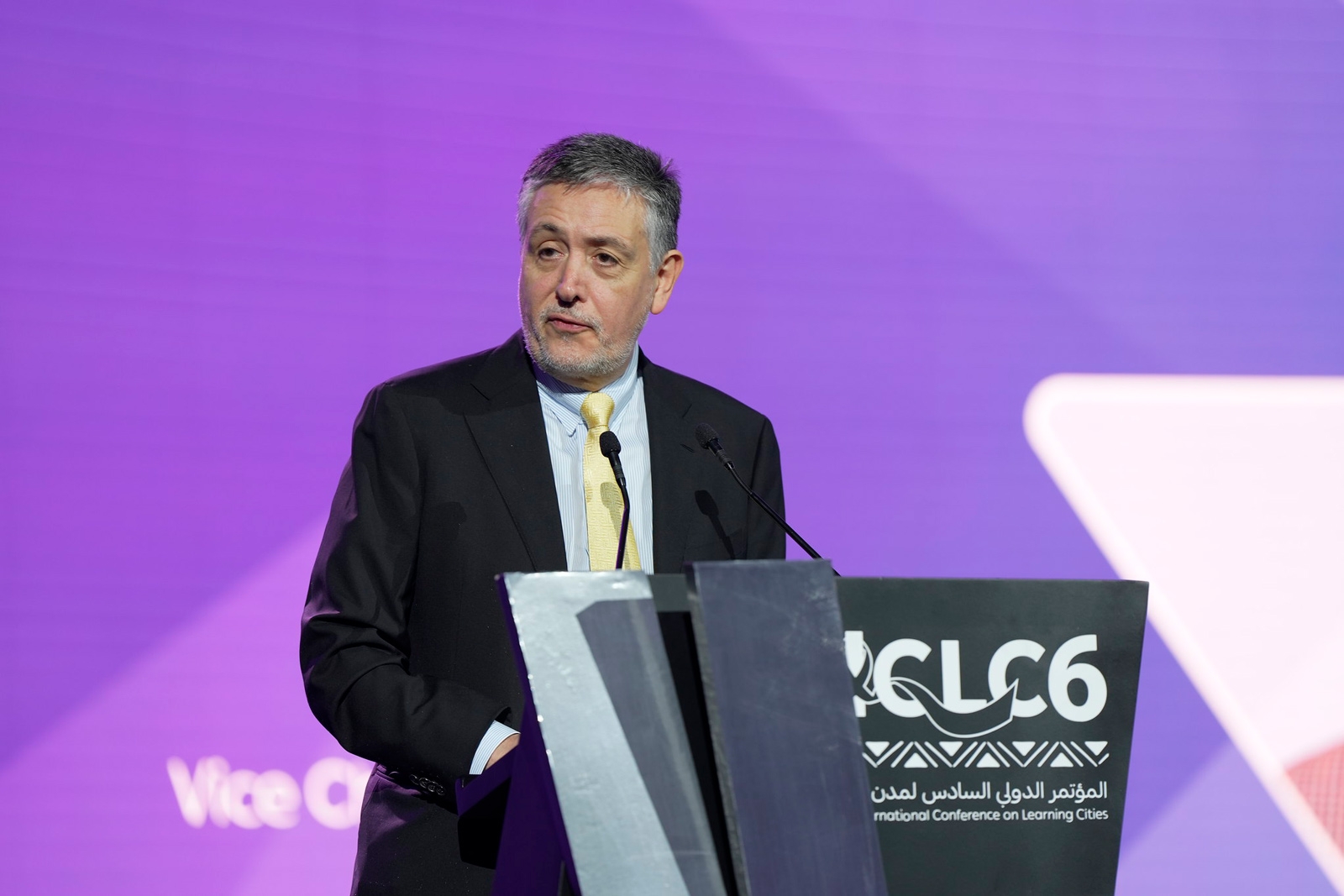
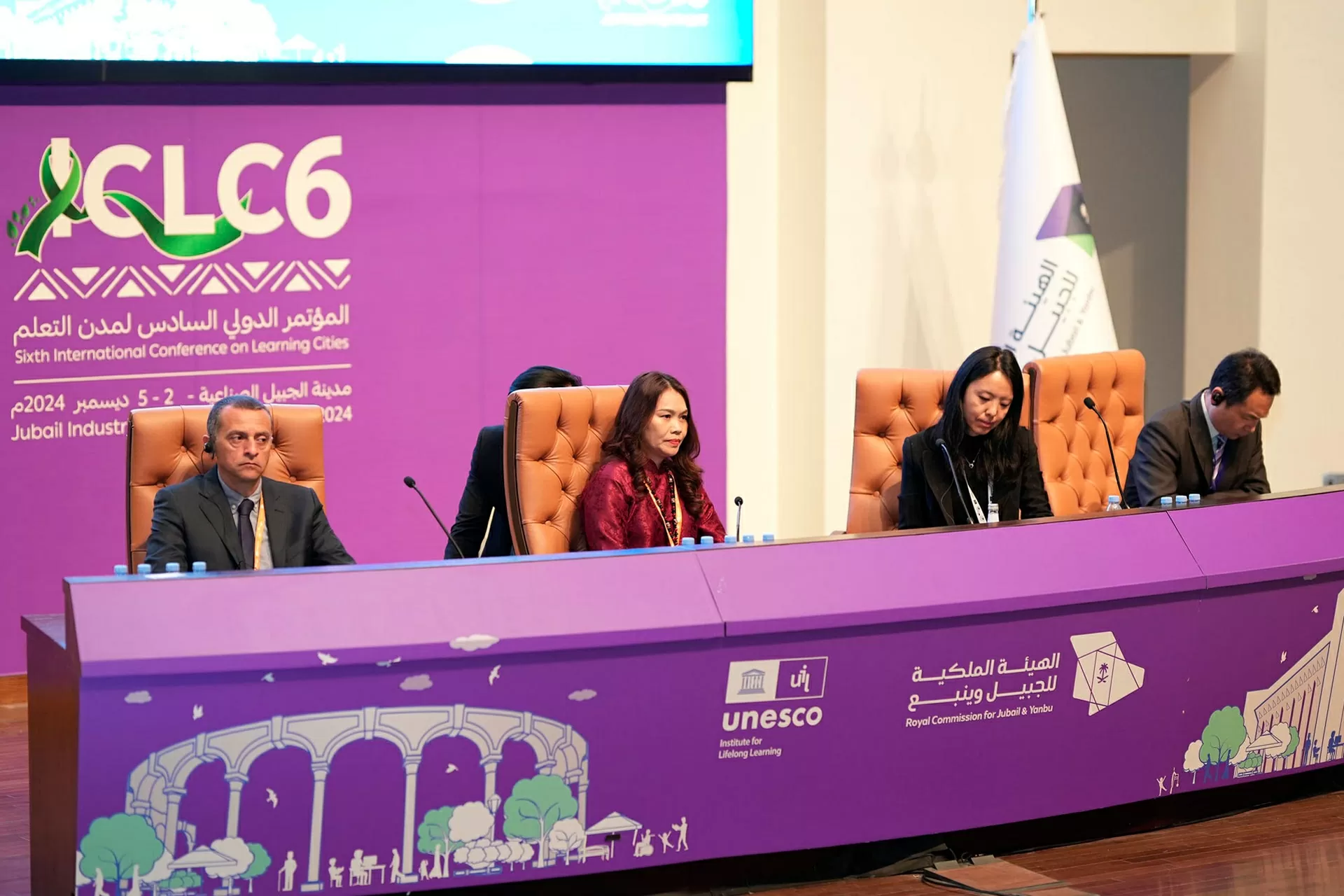
| Speaking at UNESCO’s 6th International Conference on Learning Cities, Mr. Raúl Valdés Cotera, GNLC Global Coordinator, reiterated that the core of a learning city lies in its ability to build inclusive learning policies and ensure equitable access for all population groups, especially the most disadvantaged. |
Vietnam’s proposal to recognize administrative units that no longer carry the formal designation of “city” but continue to sustain dynamic learning ecosystems - by admitting them into the GNLC as learning clusters, learning zones, learning wards, or urban learning communities - should be viewed as a strategic contribution with international significance.
This initiative is not merely a domestic effort to preserve educational achievements. If accepted, it could pave the way for a broader evolution of the GNLC by expanding access to marginalized communities, extending the network’s impact beyond traditional administrative boundaries, and reaffirming a fundamental educational principle: lifelong learning is a universal human right that must not be constrained by governance structures or official titles.
 |
Vietnam has spent more than a decade building and affirming the value of the learning city model. From pioneering localities like Vinh and Sa Dec to major metropolises like Ho Chi Minh City, and now possibly the capital Hanoi, the title granted by UNESCO has never merely been symbolic. It is the result of sustained efforts to promote knowledge equity and nurture a vision for grassroots sustainable development.
The ongoing administrative reform poses immediate challenges, but also opens a window for Vietnam to reimagine the future. This future entails building learning communities that are flexible, inclusive, and rooted in local knowledge heritage, while also connected to global standards.
It marks a transition from understanding learning cities as administrative units to embracing them as living knowledge ecosystems, where all citizens can learn, innovate and grow in a holistic learning environment.
This shift is not only a strategic step aligned with domestic reform, it is also a global statement from Vietnam: A readiness to work with UNESCO in writing the next chapter of the GNLC story for a new century, where learning is no longer confined by territory, title, or governance system and where no one is left behind on the journey of knowledge.
Tong Lien Anh | Desgin: Lim Dim | Photo: Author provided